TL;DR
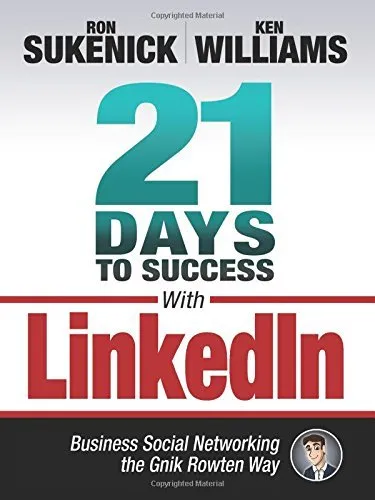
Ron Sukenick and Ken Williams’s 2015 follow-up takes Gnik Rowten onto LinkedIn for three weeks, using only the free Basic account and advice from real LinkedIn power users. Ron wrote it after a decade on the platform.
When I met Ron Sukenick in 2016, he hired a team to rework his LinkedIn profile. He had already written this book.
He’d been on LinkedIn since May 2004, one of its first 200,000 users worldwide, and he was a published authority on the platform he was paying us to help with. He hired the team anyway, because knowing how to do a thing is different from having the time and detachment to do it for yourself. That was the first lesson he taught me, and neither of us called it one at the time.
What is 21 Days to Success with LinkedIn about?
Gnik Rowten, back for a second round. The character from the first 21 Days book spends three weeks building a network on LinkedIn using only the free Basic account, so a reader doesn’t need a premium subscription to follow along. Along the way he talks with LinkedIn power users, real experts who agreed to appear in the book, and each chapter ends with a summary of the day’s lesson.
The chapters start where most people start. Day 1 is “I’m on LinkedIn. Now What?” Day 2 is “First Things First: Complete Your Profile.” The middle of the book covers connection strategy, groups and credibility, including a chapter with the wonderful title “Ye Shall Give and Receive Recommendations.” The late chapters push Gnik out of his comfort zone and toward the people worth following, and Day 21 brings it all together. The back of the book collects Gnik’s twenty-one Aha! moments in one place.
Information Today published it in 2015.
What did other networkers say about it?
Jeffrey Hayzlett, the business author and television host, called it a gold mine of tips. The career coach Abby Kohut pointed out what makes it different: it’s the only LinkedIn book that teaches the platform through the eyes of a fictional character.
Is 21 Days to Success with LinkedIn still current?
The screens have changed. LinkedIn redesigns itself constantly, and some menu paths in a 2015 book won’t match what you see today.
The approach hasn’t aged at all. Give first, be interested in other people and connect people who can help each other works on any version of the site, and it’ll work on whatever replaces it.
Keep reading
My tribute to Ron Sukenick: the relationship strategist who taught me the eight magic words of networking.