Fiction Ghostwriter: The Novel You’ve Been Carrying Around in Your Head
Novels, novellas, and short fiction for writers with a story they can’t shake and a calendar that won’t make room to write it.
113+ books under my own name you can read tonight, including 34 novels and collections. 54+ ghostwritten.
What does it cost to ghostwrite a novel?
You bring the story. I write the novel in your voice, and you own every word, every character, and every world. The rate is $1 per word, paid in monthly advances.
Rate
$1 per word
Payment
Monthly advances
Typical book
$50,000 for 50,000 words
Timeline
4 to 8 months
Pricing covers the interviews, the outline, the writing, and the revisions. No hidden fees. You own the manuscript, the copyright, and every right to it.
Want a shorter book at a lower price? AI-Assisted Books start at $15,000. It’s a different kind of offering: AI drafts the book from prompts I build out of your interviews, and I edit every page.
“The moment I held my book in my hands, it reminded me of the first time I held my child. Overwhelming, emotional, unforgettable.”
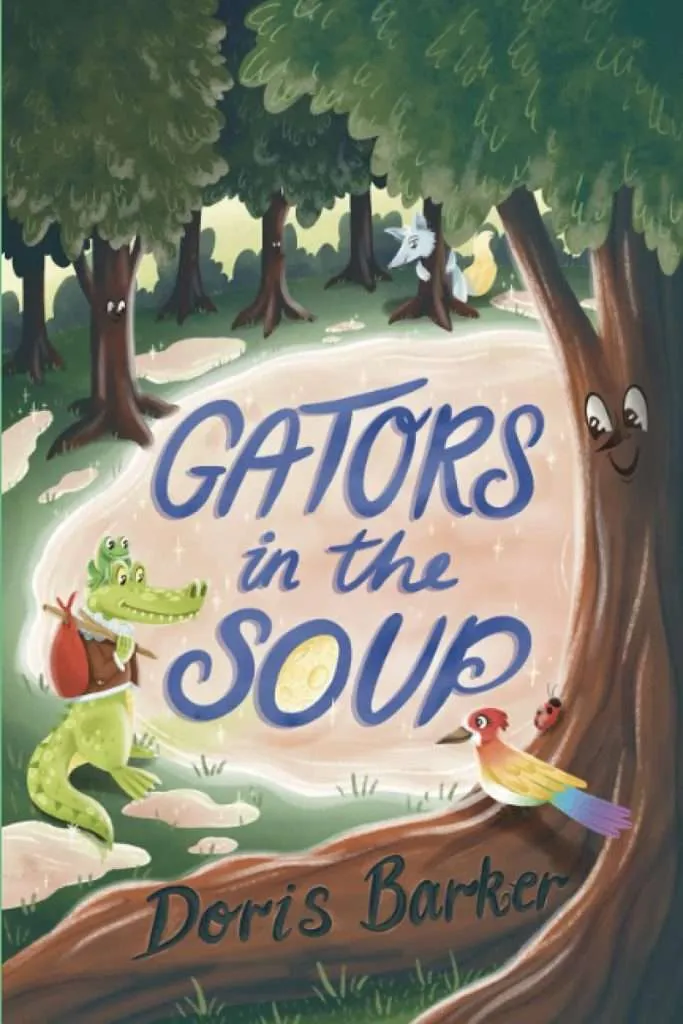
Doris Author of Gators in the Soup
Want to read your novel before you commit?
The Book Discovery Intensive gives you ten hours of strategy, a full book plan, and a 2,000-word sample chapter in your voice. Go on to full ghostwriting within 60 days and the entire fee is credited toward your book.
Can a ghostwriter write my novel while I keep my day job?
Most of my fiction clients arrive with a story that’s been with them for years. The opening chapter exists in their head. So does the ending. What’s between isn’t on the page, because life keeps winning the calendar fight. Careers, kids, and obligations take priority, and the novel waits.
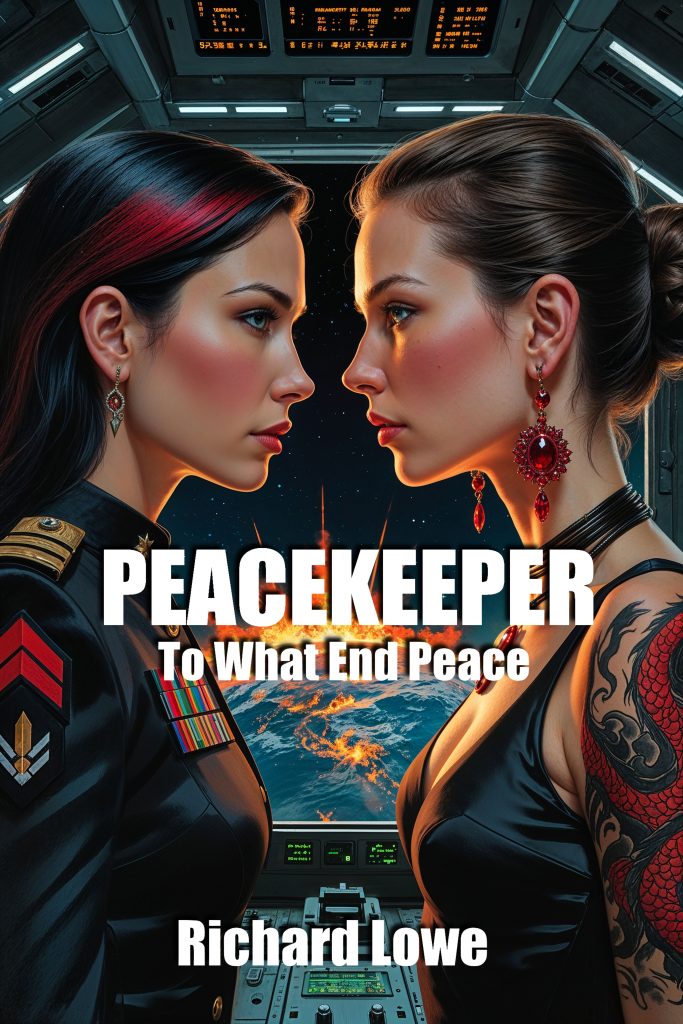
Genre doesn’t limit the work. I’ve written thriller, science fiction, romance, literary, and historical fiction, and my own novels lean toward science fiction and historical reimaginings, like the Peacekeeper series. A well-paced thriller and a well-paced romance have more in common with each other than either has with a badly paced version of itself.
What does a fiction ghostwriter give you?
Real fiction projects, from lifelong dreams to stalled drafts.
A concept, all the way to manuscript
You have the story in your head. The interviews capture it and the drafting delivers it: your novel on the page, in your voice, structured cleanly and paced for real readers.
Nobody can replace your imagination. I’ve spent thousands of hours on structure, pacing, dialogue and prose, so you keep supplying the ideas and I put them on the page in a form readers finish.
About a third of my fiction clients arrive with a stalled manuscript: a strong opening that lost its way around chapter eight, or a strong middle with no ending. The work meets your draft where it is and gets it to a finished, publishable place.
You don’t need a finished outline. You need a story you can’t stop thinking about. The writing is my job, and it moves in six phases.
1
Why this book
We start with what the novel is for: the story only you can tell, a stalled draft finished, the first book of a series, or a creative legacy. That shapes everything after it.
2
Discovery
Recorded sessions on the premise, the characters, the world, and the stakes. You talk through what you’ve imagined, including the parts you haven’t figured out yet.
3
Architecture
The recordings become a plot outline: the story arc, the character arcs, the chapter order, the hook, and the ending. You approve it before any writing starts.
4
Creation
I write the chapters. Your share is about 20% of the effort: the vision, the direction, and your review. Mine is the other 80%: the plot, the prose, and the polish.
5
Refinement
You read each chapter as it’s drafted and redirect voice or pacing. Continuity and consistency get checked, and nothing is final until you say so.
6
Publish (optional)
Self-publishing, traditional queries, an audiobook, or a series plan. Publishing guidance, print and ebook editions, and distribution are available as a separate package.
Some are my own novels, including the Peacekeeper series and the Victorian reimaginings of Jules Verne and H.G. Wells. Others are client projects, ghostwritten under their names.
What clients say
★★★★★
5 out of 5 · Based on 46 reviews
Stelios Cristakos
General Manager · Analysis Consulting ltd
★★★★★
Richard, my book coach and editor. Writing a book about mentoring is one thing. Having someone mentor you through the process of writing it is another. His advice was always precise, his ideas generous, and his patience remarkable. He understood what I was…Richard, my book coach and editor. Writing a book about mentoring is one thing. Having someone mentor you through the process of writing it is another. His advice was always precise, his ideas generous, and his patience remarkable. He understood what I was trying to say even when I hadn't yet found the words, and he pushed me to find them instead of offering his own. In that way, he practiced exactly what this book preaches: he didn't give me answers, he helped me think more clearly until I arrived at my own.Read More
Small Business Consultant · Elite Business Conversations
★★★★★
I’ve been on two of Richard’s podcasts now and have seen him in action across multiple marketing and business settings. Absolutely amazing guy, he knows all the ins and outs of how to write a book, but more importantly, how to use a book.
After working…I’ve been on two of Richard’s podcasts now and have seen him in action across multiple marketing and business settings. Absolutely amazing guy, he knows all the ins and outs of how to write a book, but more importantly, how to use a book.
After working with him, I do know without a doubt that I would never write my own book again. If I were to do it, there’s only one person I’d go to: The Writing King, Richard Lowe.Read More
Hey, I'm Gerry Mecca, and I have to tell you about Richard Lowe.
Richard and I met on a whim while I was between jobs, looking to elevate my brand and tell my story. He proposed writing a book, and we've been working on it ever since-probably longer than…Hey, I'm Gerry Mecca, and I have to tell you about Richard Lowe.
Richard and I met on a whim while I was between jobs, looking to elevate my brand and tell my story. He proposed writing a book, and we've been working on it ever since-probably longer than he'd like! But hey, I squeeze in the time when I can.
During this journey, Richard introduced me to books I never even knew existed-especially on wrestling, which is central to my book and the life lessons I've learned from it. But beyond that, he's become a true friend. We've been through a lot together, and I've come to trust him as both a writing mentor and a guide.
I want to write most of my book myself, but when Richard steps in, I know he's not just ghostwriting-he's writing with my heart. He gets me. That's rare.
📢 If you're thinking about writing a book, don't go it alone.
Richard has helped create bestsellers, but more importantly, he takes the time to truly understand you-your voice, your message, your goals. That discovery call with him? Worth every minute.
So if you're stuck, or just unsure where to start, Richard can get you moving in the right direction. He did for me.
Thanks, Richard. You're one of a kind.Read More
When you want to write a book, your ideas are not just enough. You need a tremendous help from the external also, external side to make it completely structured and take it all the way to the publishing. So, thank you, Richard, for your experience and…When you want to write a book, your ideas are not just enough. You need a tremendous help from the external also, external side to make it completely structured and take it all the way to the publishing. So, thank you, Richard, for your experience and supporting me in this process. This is my first book I'm publishing, and thanks a lot. Without your help, I couldn't have done it so easily.Read More
Found & Chief Technology Architect · Digital Samurai
★★★★★
So I've known Richard for a few months now. In fact, he's one of the best writers I've ever met because he's got so much experience. And more specifically, he's got experience in technical writing, which is unusual. Most people have generic experience, but…So I've known Richard for a few months now. In fact, he's one of the best writers I've ever met because he's got so much experience. And more specifically, he's got experience in technical writing, which is unusual. Most people have generic experience, but finding someone who can write and is technical is unusual. And Richard fills that bill. He's done books in all different types of genres, and he understands the structure and format you need for a book.
You can't just do a book in a box type of approach and expect it to really last. If you want a lasting thing that you can use, then Richard is really the guy you want because he takes care in every word that he writes. He knows how to pull that information out of you to get the best out of you to make your book shine. So not just a book, it's a legacy. I would recommend Richard to anyone who's looking to build a legacy. He's looking for a unique marketing asset that nobody else has. You want to get the best, and Richard is the best.Read More
Mindset Shift and Leadership Expert · Gemma & Sascha
★★★★★
Hello, everyone. My name is Sasha Gorokhoff, and today I want to talk to you about my friend Richard Lowe. He's an incredible person and an exceptional ghostwriter.
You might be wondering, Why do I need a ghostwriter? After all, you can put your own words…Hello, everyone. My name is Sasha Gorokhoff, and today I want to talk to you about my friend Richard Lowe. He's an incredible person and an exceptional ghostwriter.
You might be wondering, Why do I need a ghostwriter? After all, you can put your own words on paper. But what Richard does goes far beyond that. He brings an outsider's perspective, infused with emotional intelligence, to craft a compelling, engaging story that truly comes alive.
That's what makes him such a remarkable professional. He doesn't just write-he breathes life into words. His writing communicates emotions, depth, and meaning, making your book not just readable but unforgettable. Whether you're using your book to establish authority, land speaking engagements, or attract more clients, Richard ensures it resonates with your audience on a profound level.
The best part? He takes the entire process off your hands and does it for you, all while maintaining your authentic voice. I don't know how he does it, but he has an extraordinary ability to capture you on the page. His deep emotional intelligence allows him to craft stories that feel personal, powerful, and real.
I highly recommend speaking with Richard to see how he can help bring your story to life. He doesn't just write books-he creates experiences that connect with readers in a meaningful way.
Thank you.Read More
Hey, this is Ben The Automator Christiansen, and I've been working with Richard Lowe, aka The Writing King. Just one session with him was incredible-breathtaking, even.
If you've ever tried writing a book, you know that writer's block is inevitable. For…Hey, this is Ben The Automator Christiansen, and I've been working with Richard Lowe, aka The Writing King. Just one session with him was incredible-breathtaking, even.
If you've ever tried writing a book, you know that writer's block is inevitable. For me, it hit hard at the four-month mark. I reached out to Richard and asked, What do I do next? His response was simple but powerful-he gave me the exact guidance I needed, and just like that, everything clicked.
If you're even considering writing a book, I highly recommend reaching out to Richard. He can help with ghostwriting, publishing, and a wealth of other resources. You can find him at thewritingking.com or on LinkedIn. Don't waste time-go talk to him now!Read More
Let me tell you about my good friend, Richard Lowe. He’s the kind of writer whose work speaks for itself, literally. You may never know the incredible rock stars, movie legends, and high-profile figures he's worked with because their stories are meant to be…Let me tell you about my good friend, Richard Lowe. He’s the kind of writer whose work speaks for itself, literally. You may never know the incredible rock stars, movie legends, and high-profile figures he's worked with because their stories are meant to be theirs alone. But trust me, they know. And they’re beyond grateful to have chosen the right person to bring their stories to life.
Richard doesn’t just take words and put them on a page. He has a rare talent for pulling stories out of people, shaping them in a way that feels utterly authentic, as if they wrote every word themselves. There’s no artificiality, no disconnect. What he creates isn’t just ghostwriting; it’s a seamless extension of their own voice, their own truth.
I’m honored to call Richard a friend, and I’ve seen firsthand the incredible work he does. If you’re looking for someone who can transform your vision into a book that feels 100% you, Richard is the writer you need.Read More
Senior Product Marketing Manager · BSH Home Appliances Corporation - North America
★★★★★
Hi, everyone. I just want to take a quick moment to give a huge shout-out to Richard, who has been an incredible part of my marketing team. He does all my social media and then all the content writer, and then he has been crafting messages and drive awareness…Hi, everyone. I just want to take a quick moment to give a huge shout-out to Richard, who has been an incredible part of my marketing team. He does all my social media and then all the content writer, and then he has been crafting messages and drive awareness for my per my own personal brand. He is absolutely amazing. He has this great talent of creating great connections with people, and also it's just really being refreshing and really exciting as well.
What I really appreciate about Richard is that he is always on top of everything. He's fast and reliable, He always delivers top-notch work. So anything, from deadlines to quality, he has you covered. So if you're looking for somebody who can help you with your, content and marketing, I can't recommend Richard enough. I have really enjoyed working with him, so I know you will as well.
So thanks for everything, Richard. Good job.Read More
Feb 26, 2025
Robert Plank
Founder · DFY Podcasts
★★★★★
Richard Lowe is a powerhouse in self-publishing, LinkedIn branding, and book marketing. His depth of knowledge and structured approach to writing, coaching, and promotion are unmatched. He has authored 113+ books, ghostwritten 54+, and optimized over 100…Richard Lowe is a powerhouse in self-publishing, LinkedIn branding, and book marketing. His depth of knowledge and structured approach to writing, coaching, and promotion are unmatched. He has authored 113+ books, ghostwritten 54+, and optimized over 100 LinkedIn profiles, helping professionals establish credibility and attract opportunities.
One example of his expertise is coaching a Fortune 50 senior VP in France, guiding him through the writing, structuring, and marketing of his book. Richard's ability to simplify complex ideas and craft compelling narratives makes him an invaluable resource for thought leaders. His methodical approach ensures that every project is strategic, effective, and results-driven.
What truly sets Richard apart is his generosity in sharing knowledge. He doesn't just write, he empowers. Whether through his books, LinkedIn branding services, or public speaking, he equips professionals with the tools to succeed. He understands that success isn't just about publishing a book but about building a brand and authority in the industry.
If you need a skilled ghostwriter, book coach, or LinkedIn expert who delivers results, look no further. Richard's expertise and professionalism make him an indispensable asset to anyone serious about growing their presence.Read More
Hi. I'm Royce Blake, and I'm also a writer, but a copywriter, content marketer. If you're thinking about having an actual book, one you can call your own, and by the way, nothing builds credibility faster than having your own book to lay on a prospect's. I…Hi. I'm Royce Blake, and I'm also a writer, but a copywriter, content marketer. If you're thinking about having an actual book, one you can call your own, and by the way, nothing builds credibility faster than having your own book to lay on a prospect's. I would reach out to a guy I've collaborated with for years now, and that would be Richard Lowe. I mean, the guy has published over a 113 and ghostwritten over 54 more, and he knows everything from, secrets about book covers to whether you should self-publish or not.
So even if you're you're just considering it, I would definitely reach out to Richard Lowe and see what he has to say. He's easy to get along with, funny, a great guy. I would totally trust him, and well worth your time just to get in touch. So check out Richard Lowe. I highly recommend him.
As I said, we've been we've been hanging around together for a few years, and he's got a lot of experience. So why not someone that's been there and done that? I highly recommend Richard Lowe.Read More
Hi, I'm Dan McClintock, and I am writing a book. If you've ever thought about writing a book, let me tell you, there's far more to it than just putting words on a page, finding a publisher and waiting for the checks to roll in. Even with a winning idea based…Hi, I'm Dan McClintock, and I am writing a book. If you've ever thought about writing a book, let me tell you, there's far more to it than just putting words on a page, finding a publisher and waiting for the checks to roll in. Even with a winning idea based on my years of experience, research and a unique perspective, I was naive about what it takes to get to the final product. I was clueless about the level of marketing, the complexity in deciding whether to use a traditional publisher or to self-publish. Or even the writing techniques I would need to learn to make it past the editor and into print. Luckily, I stumbled across Richard Lowe's profile on LinkedIn, and the concept of a ghostwriter instantly intrigued me.
With over 113 books written and published under his name and 54 additional books as a ghostwriter, the writing king seemed like an appropriate title for him. I booked a free appointment and interviewed Richard, and in one 30-minute meeting, I gained insight and information that made it obvious I needed help. Richard was very candid, and it was clear that he knows the subject of writing books. He gave me tips on what I needed to prepare for, including moving from my idea through mind mapping and outlining, how long my book should be, understanding the purpose of the book, reviewing the options and costs associated with editing and publishing. He even provided me with a high level marketing plan. He also gave me the option of ghostwriting the book for me or coaching me through the process of writing it on my own.
Our initial meeting made me realize just how unprepared I was to write my own book. Thankfully, I knew I had just met a capable coach in Richard and he has indeed been a tremendous help in getting me to my goal. He happily shares his knowledge and experience, guiding me through a step-by-step process. As a thoughtful and highly conscientious partner, he's even shared valuable tips in starting up my own coaching business, which directly ties to the purpose of my book. Look, every successful executive I know has a team of trusted advisors providing them with sage advice.
If you have any interest in writing a book, even if you don't have the subject nailed down, I strongly encourage you to find an advisor like Richard to help you through the process. Hey, why just settle for any advisor when you can take your guidance directly from the King? Book an appointment with the writing King. The world is waiting to hear your story. Stay tuned for mine.Read More
One writer, start to finish: 113+ books authored under my own name, including 34 novels and collections across 10 series, and 54+ ghostwritten, all under my published Ghostwriter Code of Conduct.
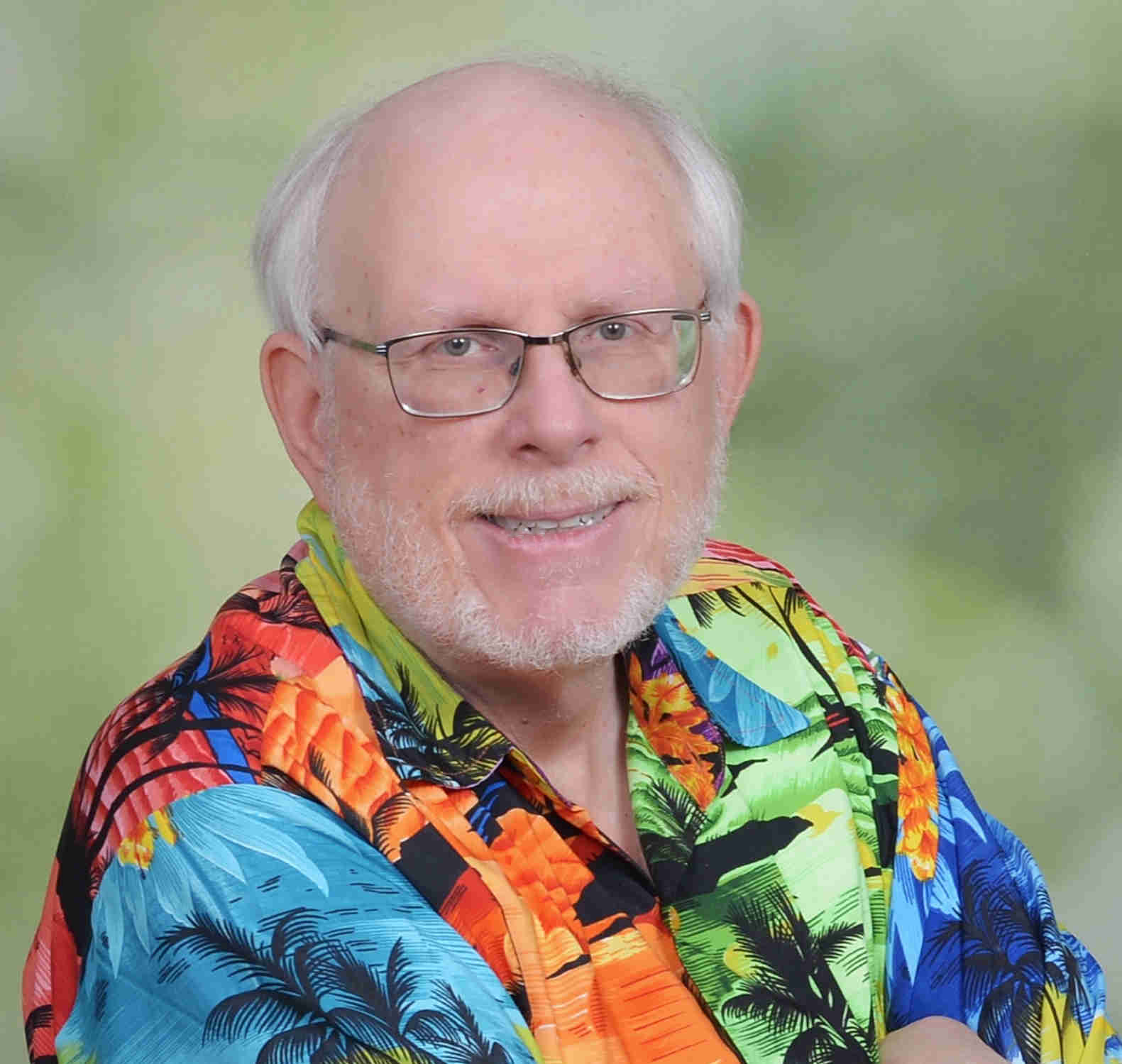
About Richard Lowe
Richard Lowe is a professional ghostwriter and bestselling author. He has authored 113+ books and ghostwritten 54+ more for executives, founders, coaches, and public figures. His clients have used their books to raise over $30 million in venture capital, land a TEDx invitation, and secure deals with traditional publishers. His own book How to Manage a Consulting Project was used as required reading in a course at Purdue University's Krannert School of Management.
His current lead book, The Ghostwriting Advantage, is the comprehensive guide to hiring a ghostwriter. He also authored the bestselling Focus on LinkedIn and the publishing-journey trilogy: Make a Living as a Self-Published Author, Publish Your Book, and Sell Your Books. He served as Technical Editor and Contributing Author on Cyberheist, the cybersecurity book by KnowBe4 founder Stu Sjouwerman. His ongoing series include Enemies of You (nonfiction cultural commentary) and the Victorian fiction series, contemporary reimaginings of classic Victorian science fiction by Jules Verne and H.G. Wells.
Before becoming a full-time ghostwriter, Richard spent 33 years in enterprise technology, including 20 years as Director of Computer Operations at Trader Joe's, where he managed infrastructure across 400+ stores. He hosts three interview podcasts: Leaders and Their Stories, Author Talks, and Conversations With Influencers, and has appeared as a guest on 100+ podcasts including The Chris Voss Show.
What do novelists worry about before hiring a ghostwriter?
Fiction clients have their own set of doubts. Here they are.
“If someone else writes it, it isn’t my novel.”
The world, the characters, and the story you’ve carried for years are the novel, and they’re yours. I bring craft: structure, pacing, prose, the technique that turns a vision into a book people can’t put down. You’re in every decision: the outline, the chapter reviews, the character choices. Doris carried her story in notebooks for decades, and the published novel is hers in every way that matters. Read: will I lose control of my own book? »
“Do you know my genre?”
Forty-five years of writing science fiction, plus published work in fantasy, horror, thrillers, dark comedy, romance, and young adult, and craft handbooks on plot, character, dialogue, and world-building. If your genre is outside what I do well, I’ll tell you on the first call. Taking a project I can’t deliver hurts me more than it hurts you. Read: fiction craft across genres »
“It won’t sound like me.”
It’s the most common fear and the most fixable. The book is built from recorded interviews: your story, your characters, your instincts. You read each chapter as it’s written and correct anything that misses. The early chapters get tuned to your voice before most of the book is written. Readers who know you will hear you in it. After 54+ ghostwritten books, that’s what I do best. Read: how a ghostwriter captures your voice »
“Why not just have AI write it?”
Try it and read the result out loud. That’s usually answer enough. AI produces competent, generic text. It can’t interview you, notice the story you undersold, challenge a weak chapter, or carry a voice across 60,000 words. I use AI every day as a digital assistant in my writing, and I still do the writing. Read: can AI write your book? »
“That’s a lot of money for a book.”
It is. It’s $1 per word, so a typical 50,000-word book is $50,000, paid in monthly advances as the work happens. What you get is the novel you’ve carried for years, finished, in your voice, and yours outright. If you want certainty first, the Book Discovery Intensive gets you a full plan and a sample chapter in your voice, with the fee credited in full if you go ahead within 60 days. Read: what ghostwriting costs and why »
“I’ve started this novel three times.”
That’s the normal history, and it says nothing bad about you. Abandoned manuscripts are what motivated people leave behind when they hit structural problems. Discipline is almost never the cause. Your old drafts are material, and a stalled draft is a starting point I see all the time. Read: I’ve started my book three times »
The practical questions
Ideas, cost, timeline, rights, and publishing.
Do I need a fully developed idea to start a novel?
No. Some clients arrive with a full outline and character bios. Others have a protagonist, a single scene, or a question they want the book to answer. The interviews build whatever you have into a complete structure, with the plot, characters, pacing, and ending worked out before drafting begins.
How much does it cost to have a novel ghostwritten?
My rate is $1 per word, paid in monthly advances. A typical 50,000-word book is $50,000. The rate covers the interviews, the outline, the writing, and the revisions, with no hidden fees.
How long does it take to ghostwrite a novel?
Most novels take four to eight months from first interview to final manuscript. Shorter novels finish faster, and longer or more complex ones take longer. Series work runs longer still, since each book builds on the last. Weekly interviews and quick chapter reviews keep it moving.
Will the novel sound like me or like the ghostwriter?
Like you. The first interviews are partly about content and partly about how you talk and tell stories, and the first chapters come back in what I read as your voice. If something’s off, you tell me and the next pass corrects it. Once you say it sounds like you, the rest of the book follows in that voice.
Do I own all the rights to a ghostwritten novel?
Yes. The arrangement is work-for-hire, so you’re the sole copyright holder the moment the novel is delivered. You can publish it under your name, sell it, license film or audio rights, or build a series from it. I have no claim on royalties, derivative rights, or future earnings.
Can I be involved in writing my novel?
Yes. Some clients read each chapter within a week of delivery and send notes. Others read in batches of five or six chapters. Either works. By chapter three or four you’ll know whether the voice and direction are right, and corrections at that stage are cheap.
Do you help with publishing a novel?
Yes. Some clients self-publish and want help with cover design, formatting, distribution, and launch. Others query traditional publishers and need a manuscript that holds up, plus the query letter and synopsis. For clients I publish on KDP, Draft2Digital and IngramSpark, in the mix that fits.
Is fiction ghostwriting confidential?
Yes. Confidentiality covers the project from the first call, and I’ll sign a nondisclosure agreement. Your name appears on the book as sole author. Mine appears nowhere unless you decide to acknowledge me, and I never name a client without written permission.
Can I pay someone to write a novel from my idea?
Yes. A fiction ghostwriter takes your premise, characters and whatever notes you have, works out the plot with you, and writes the novel under your name. You don’t need the whole story mapped, but you do need to know what the book is about and why you want it told. The fiction process walks through how that works from idea to manuscript.
Everything on this site about fiction craft, from character and dialogue to world-building and plot, is in one place: the Writing Hub →
Talk with Richard about your novel
Ready to get the story out of your head and onto the page? Book a free call. We’ll spend 30 minutes on what you’re writing, what you’ve already tried, and whether this is the right fit. No pitch. No pressure.
Booking requires JavaScript. Please use the contact form instead.