TL;DR
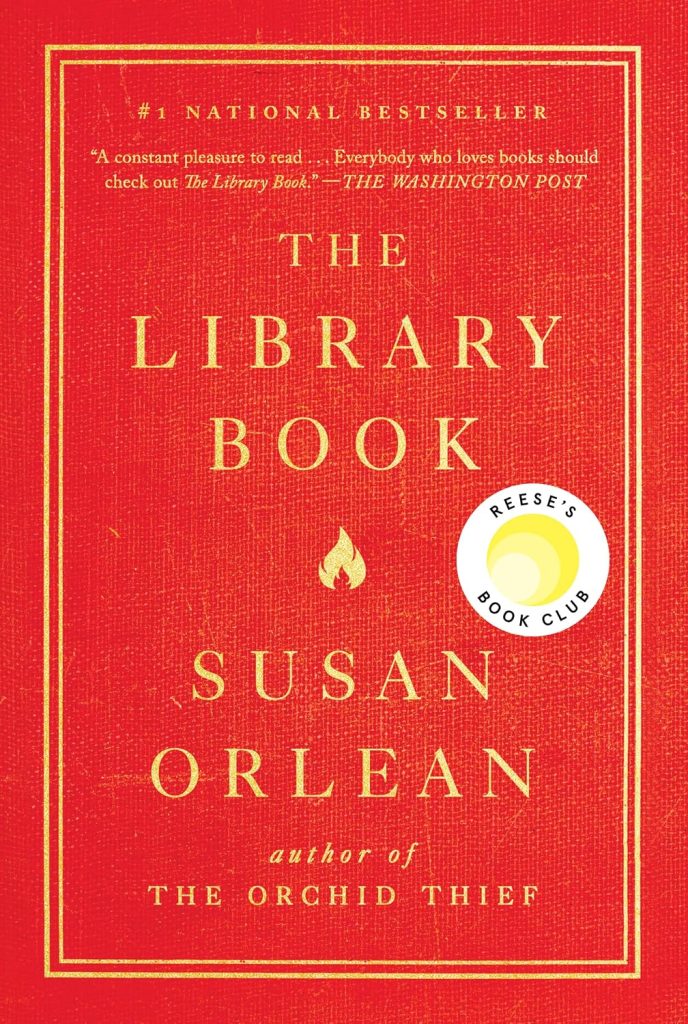
Susan Orlean’s 2018 account of the 1986 fire that destroyed 400,000 books at the Los Angeles Central Library, the man accused of setting it, and the long history of the library itself. It’s a mystery, a history and a love letter to libraries.
On April 29, 1986, a fire started in the stacks of the Los Angeles Central Library. It burned for more than seven hours and reached two thousand degrees. When it was out, about 400,000 books were destroyed and another 700,000 were damaged by smoke and water.
It was the worst library fire in American history. Hardly anyone outside Los Angeles remembers it, because the Chernobyl disaster took the headlines the same week.
What is The Library Book about?
Three stories braided together. The first is the fire and the attempt to save what was left. Volunteers formed lines to carry wet books out of the building, and the library froze tens of thousands of them to stop the mold.
The second is the mystery. Investigators arrested Harry Peak, a young aspiring actor from the suburbs with a habit of telling stories. He gave several different accounts of where he’d been that day. The district attorney declined to prosecute, and Peak died in 1993.
Nobody was ever tried.
Orlean lays out the evidence and leaves the reader to weigh it.
The third is the library itself, from its founding in the 1870s through its strange and colorful line of head librarians, including Charles Lummis, who once walked from Ohio to Los Angeles. He ran the library from 1905 to 1910 and brought a showman’s energy to it. She also spends time with the people who work there now, and with what a modern library does: job help, English classes and a safe place for people who have nowhere else to go.
How did The Library Book start?
With her son. He had a school assignment to interview a city employee, and she took him to their local library branch to talk to a librarian. That brought back her own childhood visits to the library with her mother.
Then she heard about the fire.
Orlean wanted to know how it feels to watch a book burn, so she set fire to one herself. She chose a copy of Fahrenheit 451.
Why does The Library Book matter to writers?
It’s a model for narrative nonfiction. Orlean takes a single event and builds outward until it holds the history of an institution, a city and an idea. The research is enormous and never shows its seams. It became a New York Times bestseller.
It also shows how much of a library’s work used to be physical. Card catalogs, drawers of index cards and patient searching are disappearing details that still make good scenes in fiction, and Orlean writes about the systems that organized those collections with real affection.
Keep reading
Obsolete things in fiction: card catalogs, phone books, pagers and the other vanished objects that still make good scenes.
Frequently Asked Questions
Other Books From – History