TL;DR
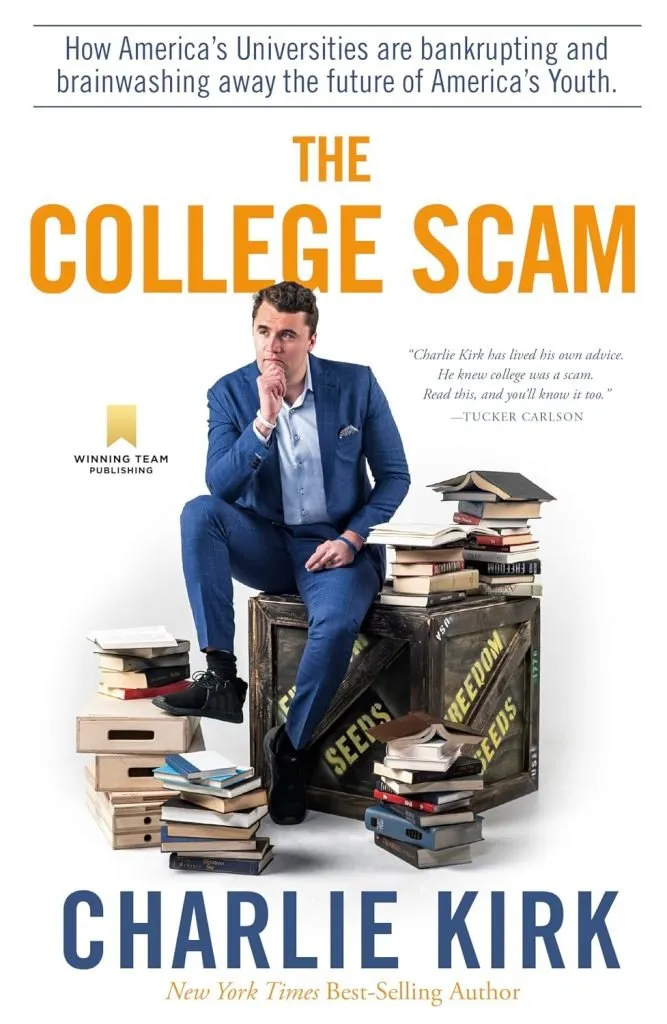
Charlie Kirk’s 2022 book arguing that a four-year degree costs too much and delivers too little for many students. It’s built as a ten-count indictment of higher education, followed by the alternatives he recommended, from apprenticeships to starting a business.
Charlie Kirk spent one semester at Harper College, a community college outside Chicago, and then left to start Turning Point USA. He never went back.
The College Scam is his argument that a lot of young people would do better to skip it too. He said at launch that he’d wanted to write it for about ten years, since the day Turning Point began.
What is The College Scam about?
Kirk structures it as an indictment, with ten counts against American higher education. The first counts are financial. Colleges promise career readiness and don’t deliver it, and a large share of students drop out. Tuition is overpriced, and federal loans push it higher. Universities have grown rich at the expense of students and taxpayers. He summed it up with the line that they’re hedge funds with universities attached.
The middle counts are about learning. He argues colleges don’t educate well and that they erode students’ ability to reason.
The last counts are cultural and political: indoctrination and suppressed speech, hostility toward conservative students, foreign influence through programs like Confucius Institutes, ideas like critical race theory, and activist professors. One chapter names professors from Turning Point’s Professor Watchlist, and another lists courses he considered extreme.
After the indictment come two chapters on the alternative. Kirk profiles successful people who never earned a degree and points readers toward apprenticeships, military service, mentors and starting a business.
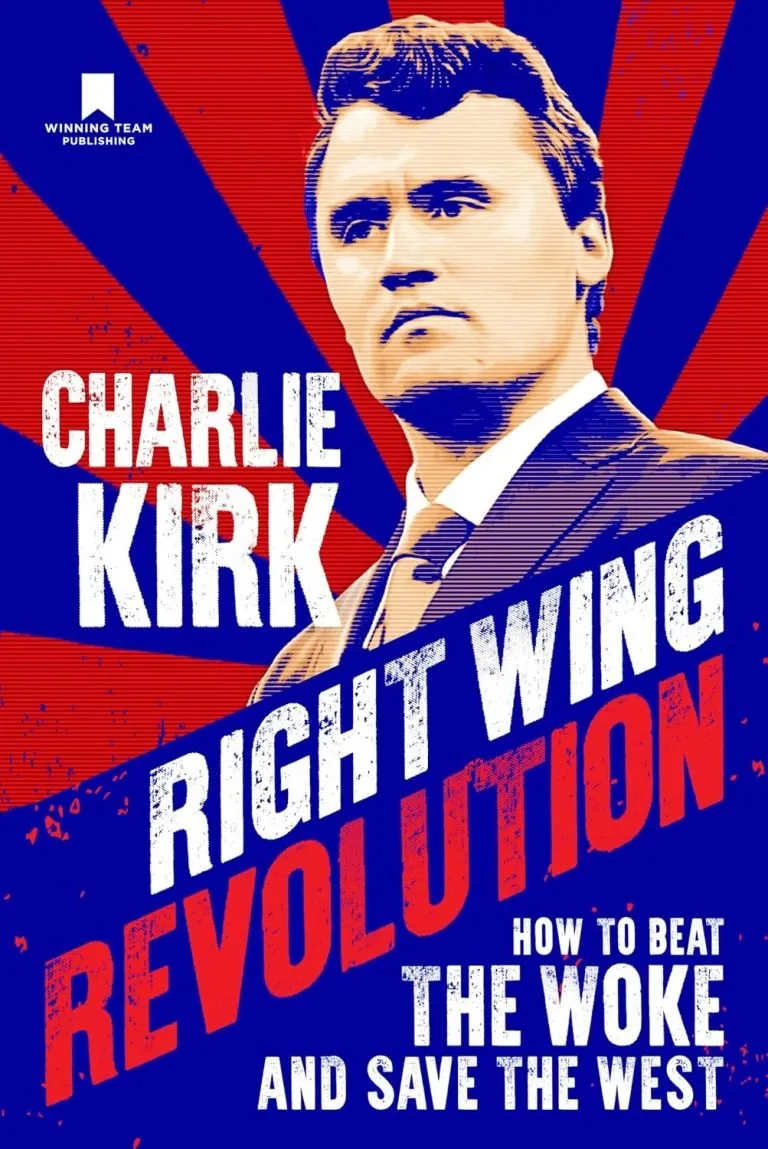
Winning Team Publishing, the house Donald Trump Jr. and Sergio Gor founded in 2021, released it on July 26, 2022. It runs about 280 pages.
What debate does The College Scam join?
An old one with two halves. The cost half has worried people across the political spectrum for years, since student debt runs into the trillions of dollars and follows borrowers into middle age. The cultural half is where the disagreement sits. Educators reject the charge that professors indoctrinate students, and defenders of the degree point to data showing graduates still earn more on average over a lifetime than people without one.
It’s the one of his six books most likely to be read by a family deciding whether college is worth the money, whatever their politics.
Keep reading
My tribute to Charlie Kirk: the folding table, the Prove Me Wrong sign and the young man who let people finish their sentences.