TL;DR
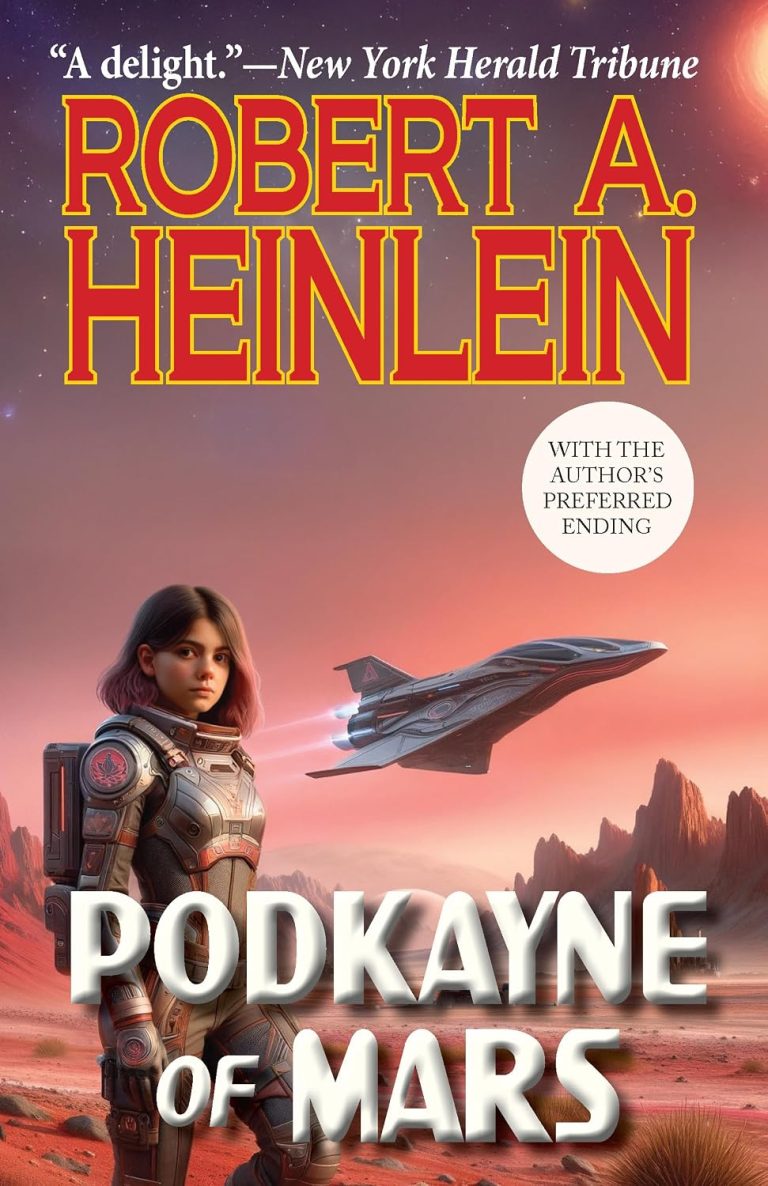
Kenn Brody’s science fiction novel about Zila Aropova Biddey, sent across the galaxy by a mysterious Sage to find the origin of LUCA, the common ancestor of all life. What she finds instead is an ancient entity that opposes life itself.
The Milky Way holds hundreds of billions of stars, and many of them ought to have life. So why hasn’t anyone called?
Kenn Brody built a novel around that question.
What is The Sage of Sagittarius about?
A search for the beginning of life. Every living thing on Earth, from bacteria to blue whales, descends from a single ancestral organism. Biologists call it LUCA, the last universal common ancestor. Brody asks what would happen if that seed of life had spread through the whole galaxy, and if the life that grew from it had an enemy.
Zila Aropova Biddey is a young woman who wants to be a diplomat. She falls in love with Manny, a genetic engineer, and finds a mentor in the Great Sage, who gives her a sharper memory and a wider perspective, a crew and a faster-than-light ship. Her assignment is to find the LUCA.
She travels from planet to planet, testing the life she finds against that premise. What she runs into is a nemesis that can’t be touched, exists in more dimensions than ours, may be as old as the universe and has turned its attention to destroying all life on Earth.
The question the book leaves her with is whether love, cleverness and other human traits are enough.
What editions are there?
Broken Symmetry Publishing released the ebook in January 2016, at about 94,000 words. A 399-page paperback followed in 2017.
How do I know Kenn Brody?
He was a founding member of the critique group I started in Clearwater, back when it met around a restaurant table. I ran it my way. That meant going after the quality of the writing and skipping the comma-hunting most critique groups drown in. Kenn fit right in.
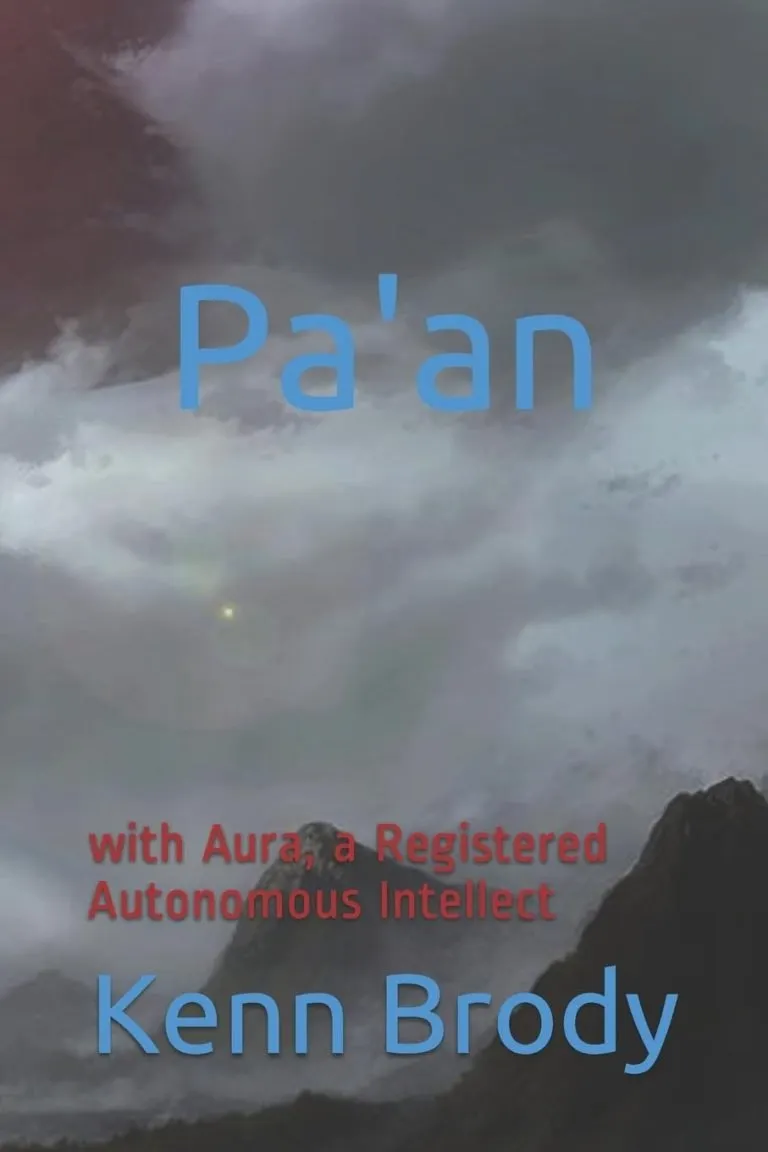
He came out of theoretical physics and computer science, and it shows in the choice of question. The book came out the same month as Pa’an.
Keep reading
Clearwater ghostwriter: the critique group I founded in Clearwater, and the writers who sat around that first table.
Frequently Asked Questions
Other Books From – Science Fiction