TL;DR
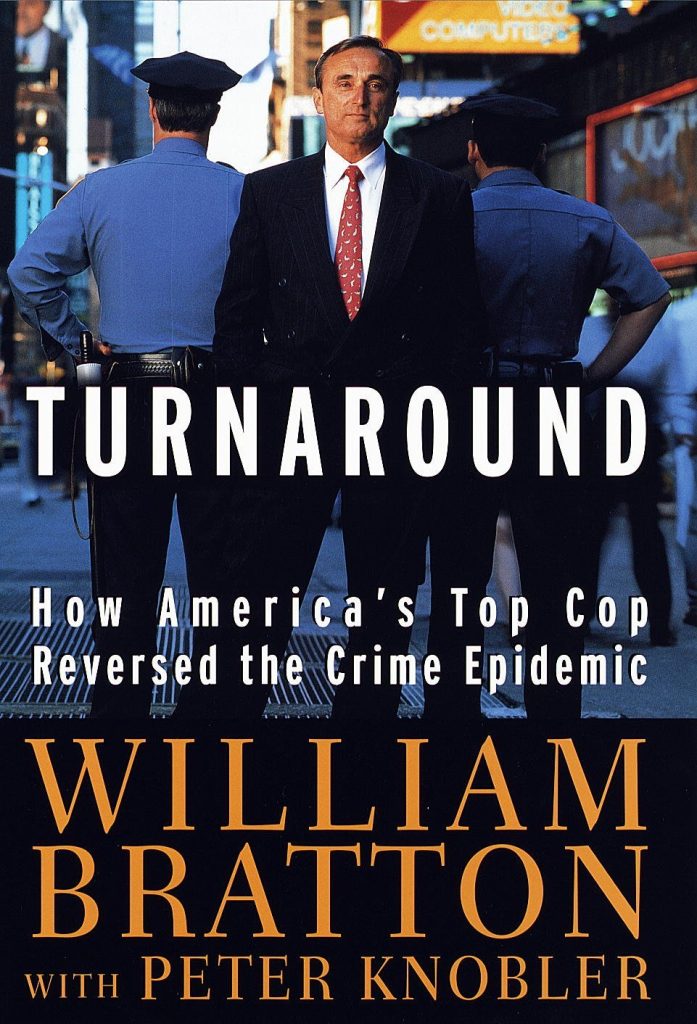
Bill Bratton’s first memoir, written with Peter Knobler in 1998, about a career spent turning around troubled police agencies, culminating in his 27 months as New York police commissioner. Part memoir, part management book.
Bill Bratton was second in command of the Boston police in his early thirties. Then he told a reporter he wanted to be commissioner one day, and the department demoted him for it. Turnaround is full of moments like that, where ambition costs a man something and he keeps going anyway.
Random House published it in early 1998, less than two years after Bratton left the New York Police Department. He wrote it with Peter Knobler.
What is Turnaround by Bill Bratton about?
A career built on fixing broken agencies. Bratton grew up working class in Dorchester and wanted to be a cop from boyhood. He came up as a reformer in Boston, then ran one troubled department after another: the MBTA police, the Metropolitan District Commission police and, from 1990, the New York City transit police.
In the subways he went after fare-beaters with fast arrests and fast processing. His theory was that people jumping the turnstiles were often wanted for something else, and the arrests turned up weapons and warrants. After a short stint as Boston’s commissioner, he became New York police commissioner in 1994 with a promise to fight crime in every borough.
How did CompStat start at the NYPD?
The center of the book. It started as pins stuck in maps and grew into a weekly process of crime data, mapped by precinct, with commanders held personally accountable for what the maps showed. Bratton paired it with the broken windows theory of George Kelling and James Q. Wilson. The theory holds that tolerating small disorder invites larger crime.
The book reports that serious crime in New York fell by a third during his 27 months, and the murder rate was cut in half. Police departments around the world later copied CompStat.
Why did Bratton leave the NYPD?
The book gives his side of a public falling-out with City Hall over who deserved credit for the falling crime numbers. The tension started in his first week, over his press coverage, and ended with his resignation in April 1996. Bratton presents it as a clash of personalities. Readers outside New York may find those chapters less interesting than the rest, and at least one review said so.
How was Turnaround received?
Kirkus called it surprisingly readable and reasonable and told readers to get it. The New York Times named it a Notable Book of the year. Readers since have treated it as much as a management book as a police memoir, and that’s a fair way to read it. The lessons about taking over a demoralized organization, hiring people who’ll argue with you and measuring everything apply well outside policing.
Who is Peter Knobler?
Bratton’s co-writer on Turnaround came to the project from journalism and music. Peter Knobler ran Crawdaddy!, the rock magazine, as editor-in-chief through most of the 1970s, then built a second career writing books with public figures, including basketball great Kareem Abdul-Jabbar and Texas governor Ann Richards.
That background shows in the book. It moves like a story, with scenes and characters. Bratton wrote it after leaving the NYPD, while working in the private sector, and the distance of a year or two gave him room to tell it with some perspective while the details were still sharp. It’s a good example of what a professional collaborator brings: the leader supplies the career and the judgment, the writer supplies the shape.
What Turnaround shows a leader planning a book
Because of when it was written. Bratton wrote it while the numbers were fresh and the arguments were still going. A leader who writes that soon gets a book with names, numbers and fights in it. Wait twenty years and the memory smooths everything over.
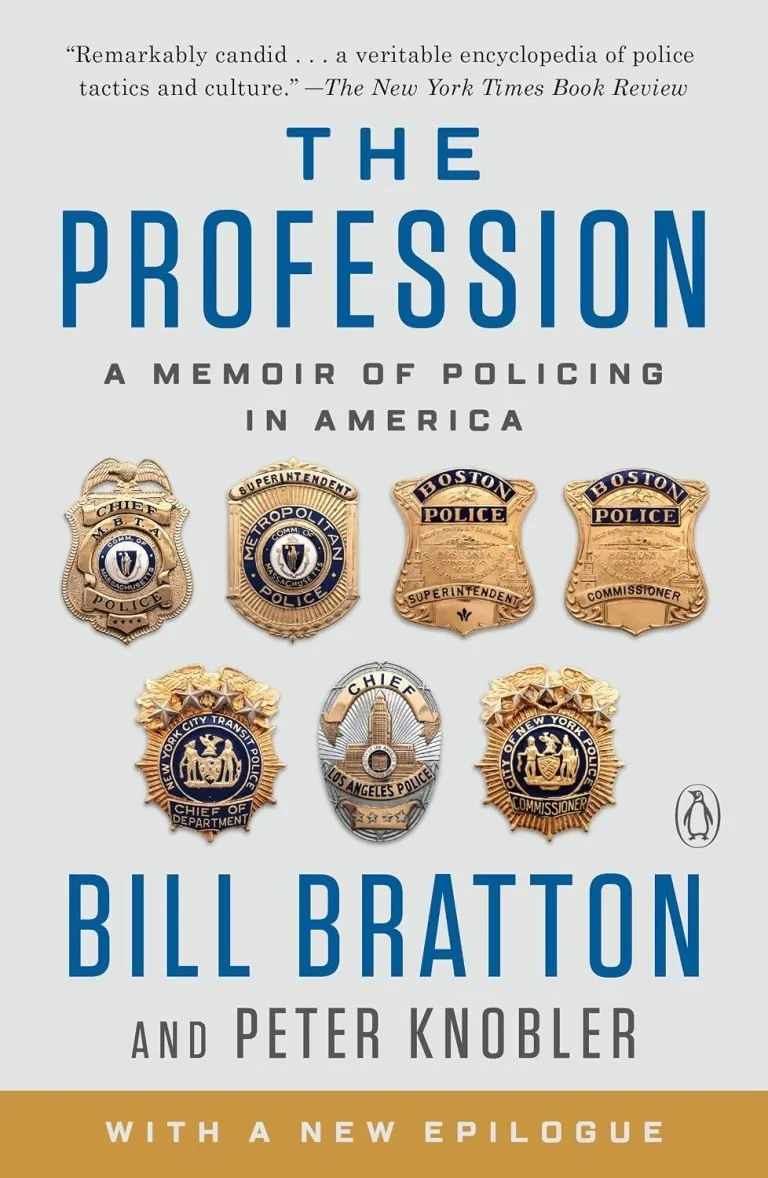
It’s also a collaboration that worked. Peter Knobler, a former magazine editor who has written books with athletes and politicians, wrote it with Bratton, and the two worked together again on The Profession in 2021. Two books, two decades apart, with the same writer: that’s what a good collaboration looks like.
Keep reading
Hiring a ghostwriter for a sheriff’s or police chief’s book: how law enforcement leaders turn a career into a book, and what has to stay out.
Frequently Asked Questions
Other Books From – Biography and Memoir