Latest
Hiring a Ghostwriter for a Family Business History BookHiring a Ghostwriter for a Retired General’s or Admiral’s Leadership BookHiring a Ghostwriter for a Sheriff’s or Police Chief’s BookWhat the AI Writing Survey Says About Jobs, Freelancers and Fiction AuthorsHow Long Does Google Take? Crawling, Indexing and Recovery TimesLife of Pi50 Years of Duty: One Police Officer’s Compelling Journey from State Trooper to County SheriffBreaking Rank: A Top Cop’s Exposé of the Dark Side of American PolicingBlack in Blue: Lessons on Leadership, Breaking Barriers, and Racial ReconciliationCalled to Rise: A Life in Faithful Service to the Community That Made MeVigilance: My Life Serving America and Protecting Its Empire CityTurnaround: How America’s Top Cop Reversed the Crime EpidemicCollaborate or Perish! Reaching Across Boundaries in a Networked WorldThe Profession: A Memoir of Community, Race, and the Arc of Policing in AmericaSTEP-UP and LEAD: A Guide for Dynamic, Innovative Leadership in Law EnforcementStriving for Justice: A Black Sheriff in the Deep SouthThe Diagram GalleryGar Travis: A Tribute to One of the Best Faire PhotographersReverse Tropes: Six Ways to Turn a Tired Trope Inside OutA Hiker Used AI to Find a Waterfall. The Forum Sent Her to Hell.Did We Miscount the World’s Population? What the Rural Undercount MeansFrankenstein’s Creature Has Worn Many Faces. Only One Is Mary Shelley’sIs Consciousness Quantum? Penrose Is Half RightAI Companies Are Preparing for a Catastrophe. Which One?Petty Motivations Make Characters HumanAnatomy of a Writer: The Parts That Do the Real WorkGuillermo del Toro’s Writing Advice: Love Your MonstersFree Book Marketing: Seven Ways That Cost Time Instead of MoneyMy Sister Built the Family We Never HadShould Your AI Report You to the Police?Anthropic Bans Cruelty Toward Claude: What It Means for WritersWork-for-Hire Contracts: What the Asimov’s Cover Fight Teaches FreelancersGenre Fiction vs Literary Fiction: Don’t Confuse Taste With SkillFlorida Hurricane Prep Rituals: The Grocery Run, the Water Pallet and the Generator in the BoxThe Most Insulting Line of Dialogue Ever Written for the ScreenLoki Through the Ages: From Norse Myth to Marvel, The Mask and Dogma“You Are Utterly Disgusting”: A Book Festival, an AI Cover Ban and a Pile-OnWho Rewrote the Sligachan Legend: AI or the Tour Buses?Layers: How I Ride Out Florida Power Outages in My ApartmentWhy I Don’t Like Reedsy for Ghostwriting: The NDA ProblemThe Enshittification of AmazonPublishers Cancel Books Over AI While Using It in SecretI Was Getting 100 Spam Emails a Day. $4.50 a Month Fixed It.World Mental Health Day: Nothing Was Wrong With MeKessler Syndrome: How Space Debris Could Close Earth’s OrbitAmazon Is Blocking Real Readers From Book ReviewsShould a Novella Get a Paperback, or Go Ebook Only?BookFunnel Download Problems: Fixes, Scams and AlternativesSir Sean Connery: A TributeHow to Find Plot Holes in Your Novel (Most Are Character Holes)
The Writing King Your Ethical Ghostwriter. Your Story, Done Right.

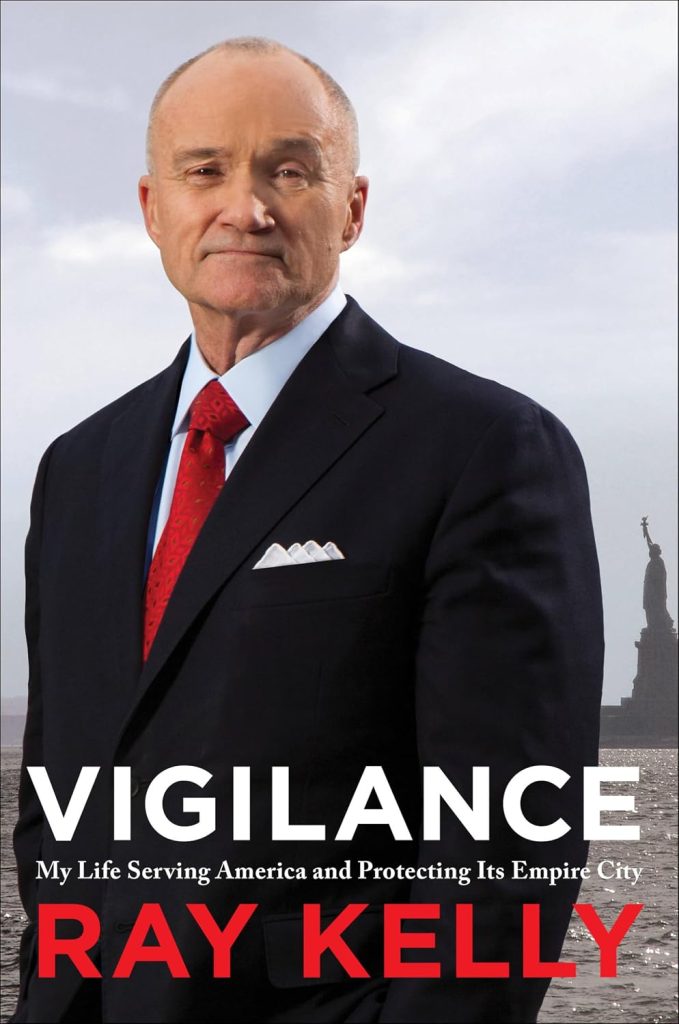
Vigilance: My Life Serving America and Protecting Its Empire City

Vigilance: My Life Serving America and Protecting Its Empire City

My Life Serving America and Protecting Its Empire City

Author:Ray Kelly
Publisher:Hachette Books
Published:September 8, 2015
ISBN:0316383813
ISBN:9780316383813
Language:English
Share:

Buy Now

Description:

TL;DR

The memoir of Ray Kelly, the longest-serving police commissioner in New York’s history, from a milkman’s son on the Upper West Side to the man who built the NYPD’s counterterrorism operation after 9/11. Blunt, unapologetic and argued over.

“Terrorism is theater.” Ray Kelly built much of his second term as New York police commissioner around that idea, and Vigilance: My Life Serving America and Protecting Its Empire City explains why. Hachette Books published it in September 2015, about twenty months after he left the job.

Who is Ray Kelly?

A New Yorker all the way down. Kelly grew up on the Upper West Side, the son of a milkman and a mother who worked in a Macy’s dressing room. He started with the NYPD as a trainee in 1960, served as a Marine in Vietnam and became a patrolman in 1966.

He spent 43 years with the department in all and served as commissioner twice, from 1992 to 1994 and from 2002 to 2013, the longest tenure in the city’s history. Between those terms he monitored police in Haiti, then held senior federal enforcement posts with the Treasury Department and the Customs Service.

What does Vigilance cover?

The early chapters cover a city where murders topped 2,000 a year and Kelly built a reputation for fixing troubled precincts. His first term as commissioner included the 1993 World Trade Center bombing. His federal and international work, he writes, convinced him that a city’s security and a nation’s security are the same thing.

The heart of the book is what came after September 11, 2001. Kelly writes that New York couldn’t rely on federal agencies to protect it, so he built an intelligence and counterterrorism operation inside the NYPD. He credits it with helping stop 16 plots against the city over twelve years, and the book walks through several of them, including plans against the Brooklyn Bridge and the subway system. He also pushed to harden the base of the new tower at the World Trade Center site.

The book describes his dealings with presidents and mayors across both terms.

Where does Ray Kelly stand on street stops in Vigilance?

Head on. Kelly defends the practice and the crime numbers he credits it with. His preferred term for it is street inquiries. He points to a study he commissioned, criticizes the federal ruling that found the department’s use of it unconstitutional, and faults the city for dropping its appeal. He also writes that he publicly called one officer’s shooting of an unarmed man unjustified before the internal investigations were finished. The union never forgave him for it.

How was Vigilance received?

Sharply divided, much like Kelly’s tenure. The Wall Street Journal called it blunt and proudly unapologetic, and the Washington Post found it inspiring. Other reviewers were harder on it. A writer in the New York Review of Books argued that it read like a press release and that crime kept falling after stops dropped. A longtime NYPD reporter said several of the terror cases were told with important details left out.

What did Ray Kelly do outside the NYPD?

More than most commissioners. Between his two terms he went to Haiti in the mid-1990s to oversee the international police monitors there. He then served as under secretary for enforcement at the Treasury Department from 1996 to 1998 and as commissioner of the U.S. Customs Service from 1998 to 2001. The book draws on all of it to argue that a big city’s security can’t be separated from what happens overseas.

After leaving the NYPD at the end of 2013, Kelly moved into the private sector, including corporate security and investigations work. The book came out while the city was still arguing over the policies he’d left behind, and he wrote it knowing that.

What Vigilance shows a leader planning a book

Because it shows how to carry a very big public life in one book. Kelly ties his story to a single city and a single day that changed what his department had to become, and everything else hangs on that. A leader with fifty years of material can learn from that structure.

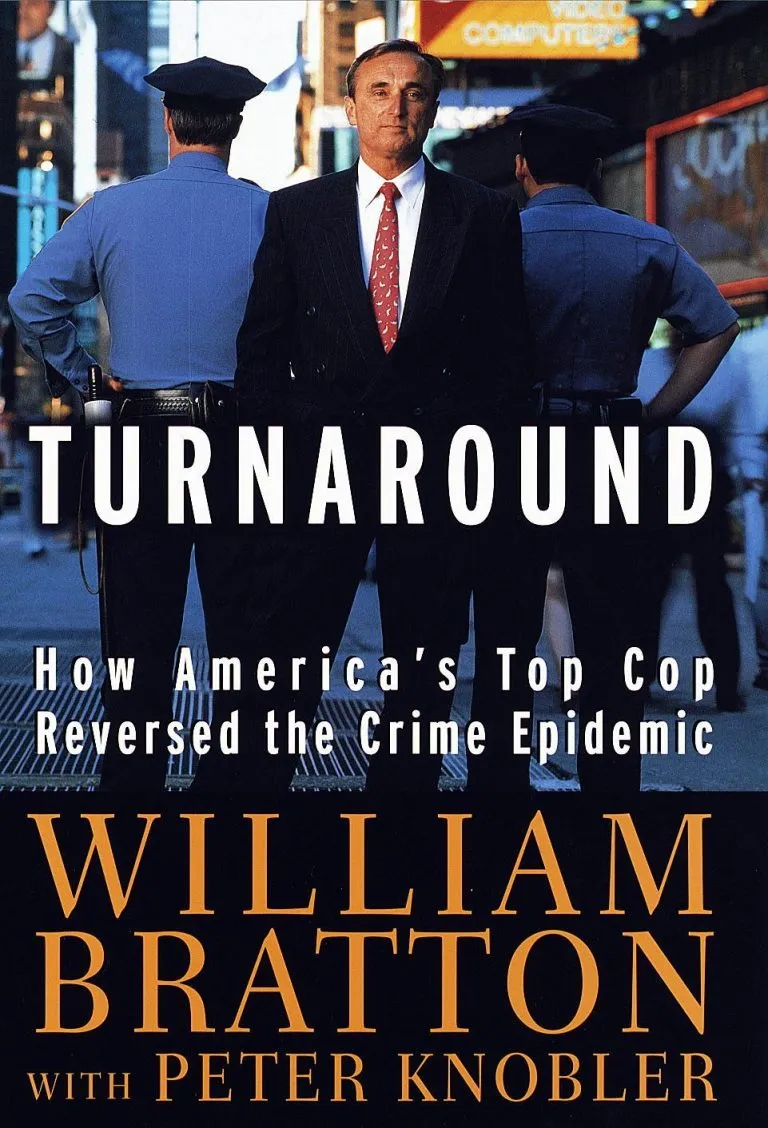
A law enforcement memoir will be argued over. The strong ones are written by people prepared for that. Bill Bratton, who held the same job before and after Kelly, wrote his own account in The Profession.

Keep reading

Hiring a ghostwriter for a sheriff’s or police chief’s book: how law enforcement leaders turn a career into a book, and what has to stay out.

Frequently Asked Questions

What is Vigilance by Ray Kelly about?
It’s the memoir of Ray Kelly, New York’s longest-serving police commissioner. It covers his Upper West Side childhood, his Marine service in Vietnam, 43 years with the NYPD, his federal posts at Treasury and Customs and, above all, the intelligence and counterterrorism operation he built inside the department after September 11, 2001.
When was Ray Kelly NYPD commissioner?
He served twice, from 1992 to 1994 and from 2002 to 2013. His combined tenure is the longest in New York City’s history. Between those terms he held senior federal enforcement posts and oversaw international police monitors in Haiti. He served under three different mayors across those two terms.
What does Vigilance say about stop-and-frisk?
Kelly defends the practice, his preferred term is street inquiries, along with the crime reductions he credits it with. He criticizes the 2013 federal ruling against the department’s use of it and the city’s later decision to drop its appeal. Critics of the book argue crime kept falling after the stops declined.
Who published Vigilance?
Hachette Books published it in September 2015, about twenty months after Kelly left office, with a paperback edition in 2016. The hardcover runs a little over 300 pages. Kelly promoted it with national television and radio appearances, framing it as a record of nearly five decades of public service.
How was Vigilance reviewed?
Reviews were divided, much like Kelly’s tenure. The Wall Street Journal called it blunt and unapologetic and the Washington Post found it inspiring. The New York Review of Books and a veteran NYPD reporter criticized it for reading like a press release and leaving out important context. Readers tend to judge the book much as they judge Kelly’s policies.
Did Ray Kelly use a ghostwriter for Vigilance?
No collaborator is credited on the book, and Kelly is listed as the sole author. Many big-city police memoirs do credit a co-writer, including both of Bill Bratton’s, so it’s a fair question for readers comparing them. Either way, the decisions and the arguments in the book are Kelly’s own.
Categories and tags
CategoriesMemoirs

About the author

Back