TL;DR
Bill Bratton’s full-career memoir, written with Peter Knobler, covering five decades and four big-city departments. It defends the profession, sets out his precision policing approach and takes on race and police reform directly.
Bill Bratton’s memoir was supposed to come out before May 2020. Then George Floyd was killed in Minneapolis, and policing in America became a different conversation. Bratton told the Los Angeles Times he was grateful the book wasn’t finished yet. He went back and rewrote it for the country it was going to land in.
The Profession: A Memoir of Community, Race, and the Arc of Policing in America came out from Penguin Press in June 2021. It’s long, more than 500 pages, and it covers a career most police leaders couldn’t fit into three books.
What does The Profession cover?
Everything. Bratton came home from military service and joined the Boston police in 1970, where he clashed with an old guard he describes as corrupt and suspicious of anyone ambitious. He contrasts Boston’s distrust of ambition with New York and Los Angeles, where it got rewarded.
From there the book follows him through the transit police, where he took on the homeless encampments in the subway, and his first term as New York police commissioner in the mid-1990s. It covers his years rebuilding the Los Angeles Police Department after the Rodney King beating, the 1992 riots and the Rampart scandal. Then it covers his return to New York from 2014 to 2016, when he brought in implicit-bias training and created a new counterterrorism response unit after the attacks in Paris.
What is precision policing?
It’s Bratton’s name for what he believes works. He built it on the broken windows theory of George Kelling and James Q. Wilson, on CompStat’s crime mapping and on targeting the small number of people who drive most violence. He compares it to treating cancer. Diagnose fast, treat fast and go straight at the problem.
He’s critical of how stop-and-frisk was used in New York in the years before his return, arguing that turning it into a performance number damaged trust in law-abiding neighborhoods.
How does The Profession handle race and reform?
Directly. Bratton calls Floyd’s killing murder and says Black Lives Matter is important, while still defending policing as a profession. He opposes defunding, but he’d hand some homelessness, addiction and mental health work to other agencies. He also takes positions on bail reform that put him at odds with many reformers. Readers on every side will find something to argue with. Bratton expected that.
He’s also candid about himself, including his own ego.
How was The Profession received?
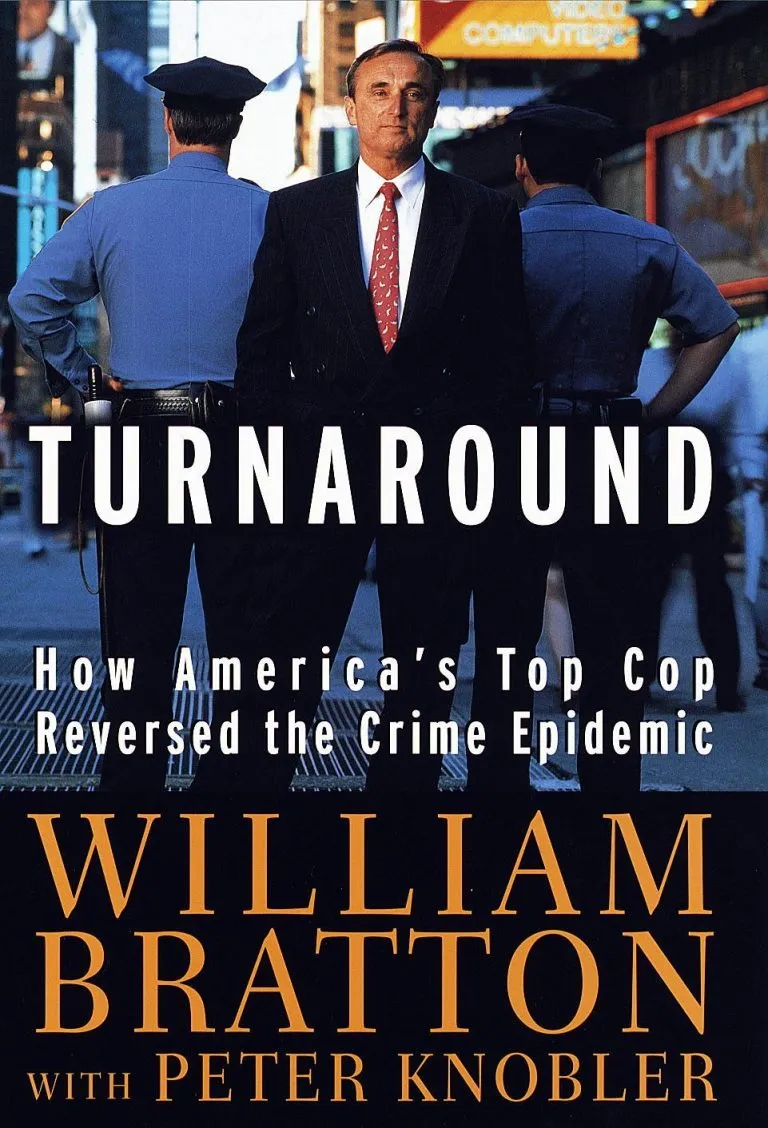
Well. The New York Times Book Review praised its candor and made it an Editors’ Choice. Library Journal called it even-handed and highly recommended it, and the Boston Globe called it indispensable. Crime novelist Michael Connelly called it the bible on police reform. One reviewer noted that its early chapters overlap with Bratton’s first memoir, Turnaround.
Who should read The Profession?
Anyone who wants the long view of American policing from someone who ran it at the top, in three of the country’s biggest cities. Police leaders will recognize the fights over budgets, unions and public trust. Reform advocates will find a former commissioner arguing with them in good faith, agreeing on some points and refusing on others. General readers will find a career that runs from the corruption of the 1970s through the crime collapse of the 1990s to the protests of 2020.
The book drew endorsements from across the field, including civil rights lawyer Connie Rice, former Houston and Miami chief Art Acevedo and Chuck Wexler of the Police Executive Research Forum. That range is a fair measure of who it reaches.
What The Profession shows a leader planning a book
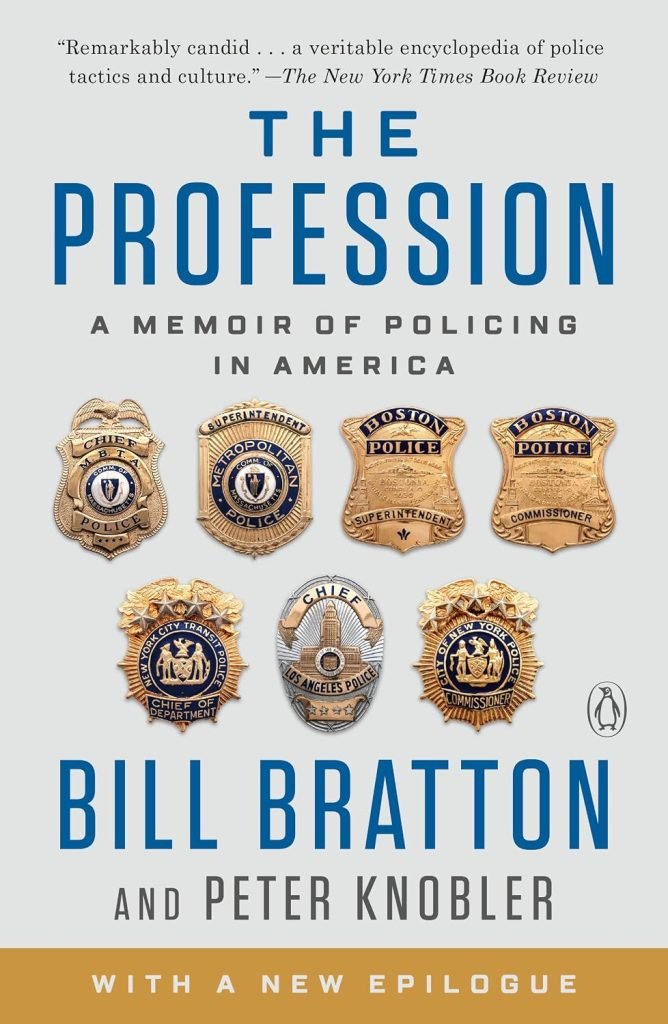
Look at the cover. It reads Bill Bratton and Peter Knobler, and it’s the second book the two wrote together. Knobler is a professional collaborator who has also written books with athletes and politicians. Bratton narrated the sixteen-hour audiobook himself.
For a chief or sheriff wondering whether getting help is somehow less honest, that cover is the answer. The most famous police leader of his generation wrote his two biggest books with a professional writer, and it didn’t cost him a reader.
Keep reading
Hiring a ghostwriter for a sheriff’s or police chief’s book: how law enforcement leaders turn a career into a book, and what has to stay out.
Frequently Asked Questions
Other Books From – Biography and Memoir