

TL;DR
8/10. Turns a character’s job from a line on a sheet into a force in the story: the skills, worldview, schedule, conflict, and the reason they chose the work. A lever most writers never pull on purpose. Niche, but among the most useful books in the series.
What does your character do for a living, and does it show? For most characters the answer is no. The job is a line on a character sheet, mentioned once and never felt again. The Occupation Thesaurus sets out to change that, and it works a lever most writers never think to pull.
A job shapes how a person sees the world, the skills they carry, the people they know, the hours they keep, and the trouble they walk into. A paramedic and an accountant move through the same city as different animals. This book mines occupation for all of it, across a broad range of work from familiar roles like teacher, nurse, and police officer to unusual ones like locksmith, mortician, stunt performer, and paranormal investigator.
What does an occupation entry contain?
Take the entry for a paramedic. It notes the skills and knowledge the work builds, quick assessment under pressure, an unflinching stomach, the muscle memory of procedures. It lists the personality traits the job suits or rewards, calm in chaos, decisiveness, a particular gallows humor. It maps the sources of conflict the work creates, the calls that go wrong, the patients who don’t make it, the strain on relationships from the shift work and the things seen.
And it considers why a character might choose that work in the first place, a need to be the one who helps, a wound around helplessness, which loops straight back to motivation and backstory.
Keep reading
A guide to character development: 8 steps to success: occupation is one more lever for building a specific person.
The most underused lever in the set
I find this the most useful of the detail-and-setting books, because occupation is a lever writers rarely pull on purpose. Give a character the right job and then use what comes with it, the jargon, the schedule, the way the work has shaped how they think, and they become specific in a way that pages of physical description can’t manage. The work turns into a source of detail, conflict, and sometimes plot.
A character who’s a locksmith is a different story problem than one who’s a banker, and not because of anything you have to explain. The job takes care of it if you let it.
Keep reading
Why your characters feel flat: psychology-first character development: the right job makes a character specific, and specificity is what flat characters lack.
Where it sits
It’s more niche than the character or emotion volumes, and you won’t open it as often, because not every project hinges on what a character does for money. But when you’re building someone from scratch and want their work to mean something, it’s the reference that turns a job title into characterization.
It also connects outward to the rest of the series, since the question of why a character chose their work ties directly to wound and motivation. A smart, focused addition that punches above its apparent weight.
There’s a practical research angle here, since I do a lot of ghostwriting where the client’s protagonist holds a job I know nothing about. The entries aren’t a substitute for real research into a profession, and the book doesn’t pretend to be, but they’re an excellent map of what to research.
They tell you which details matter for the story, the kind of conflict the work generates, the personality the job attracts, so that when you do go talk to a real paramedic or locksmith or mortician, you know what questions to ask instead of collecting trivia. Used that way it saves hours, pointing you at the handful of job facts that will show up on the page and steering you away from the encyclopedic detail that bores a reader.
Explore the hub
The Writing Hub: character, occupation, and the rest of the craft, in one place.
Frequently Asked Questions
Other Books in the Writers Helping Writers Series Series

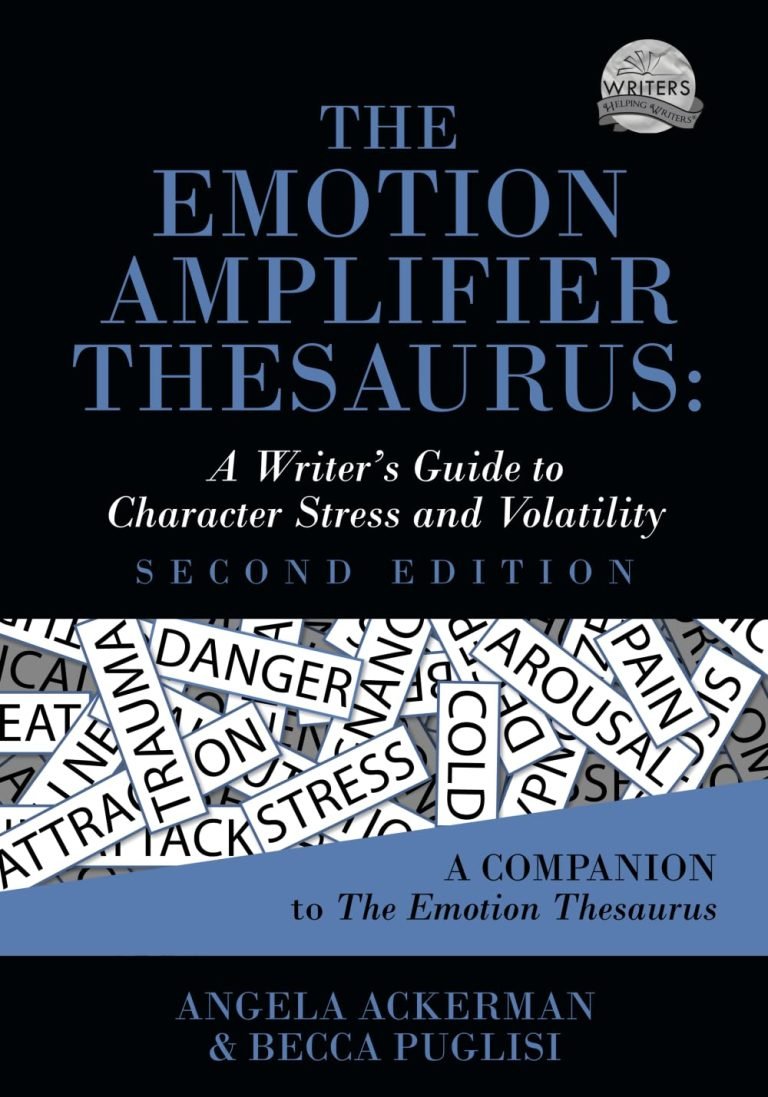
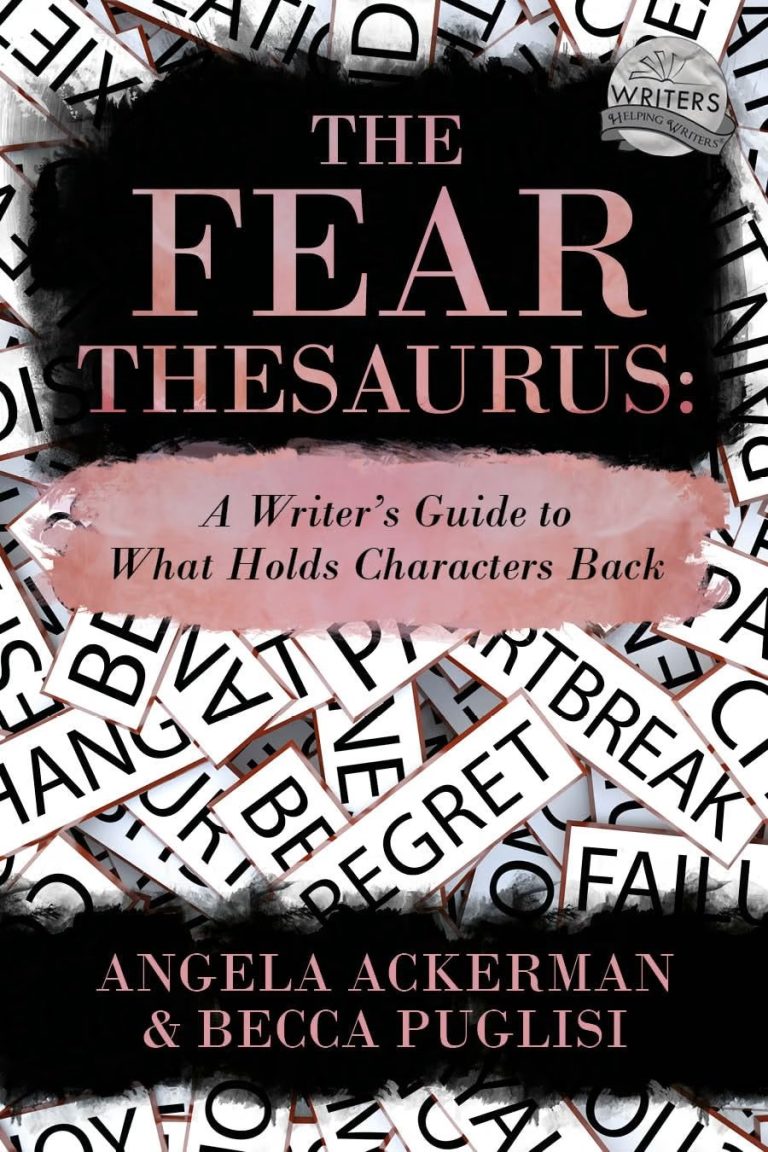
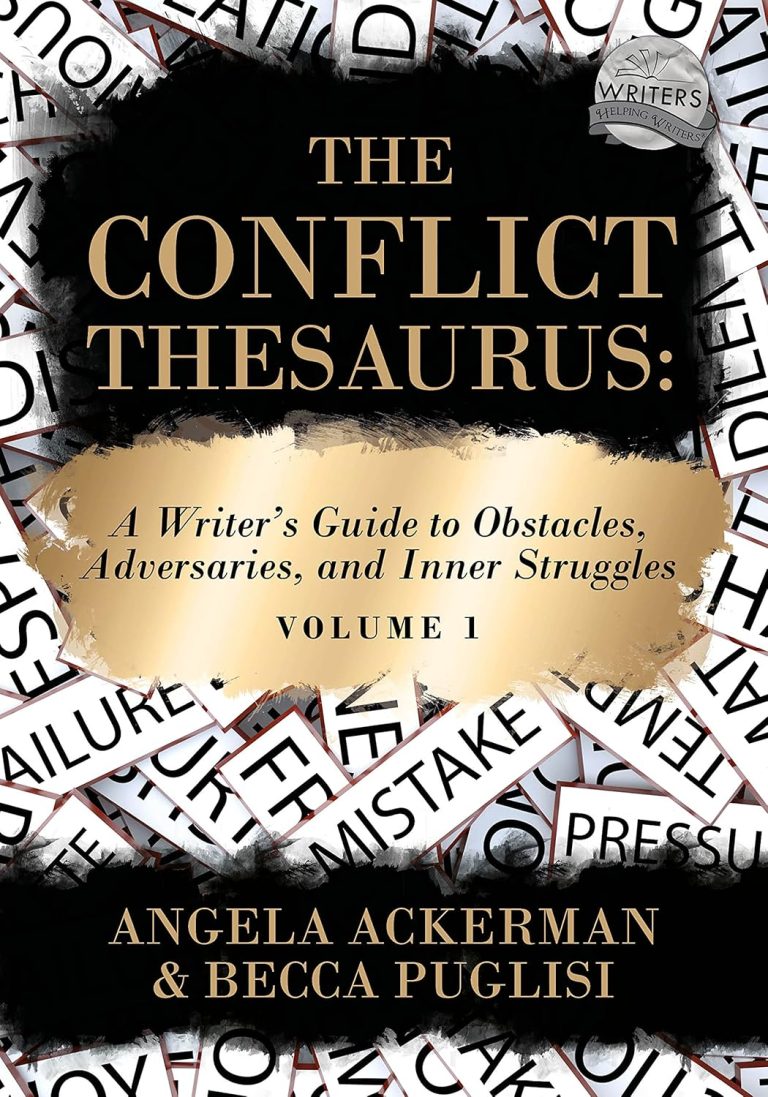
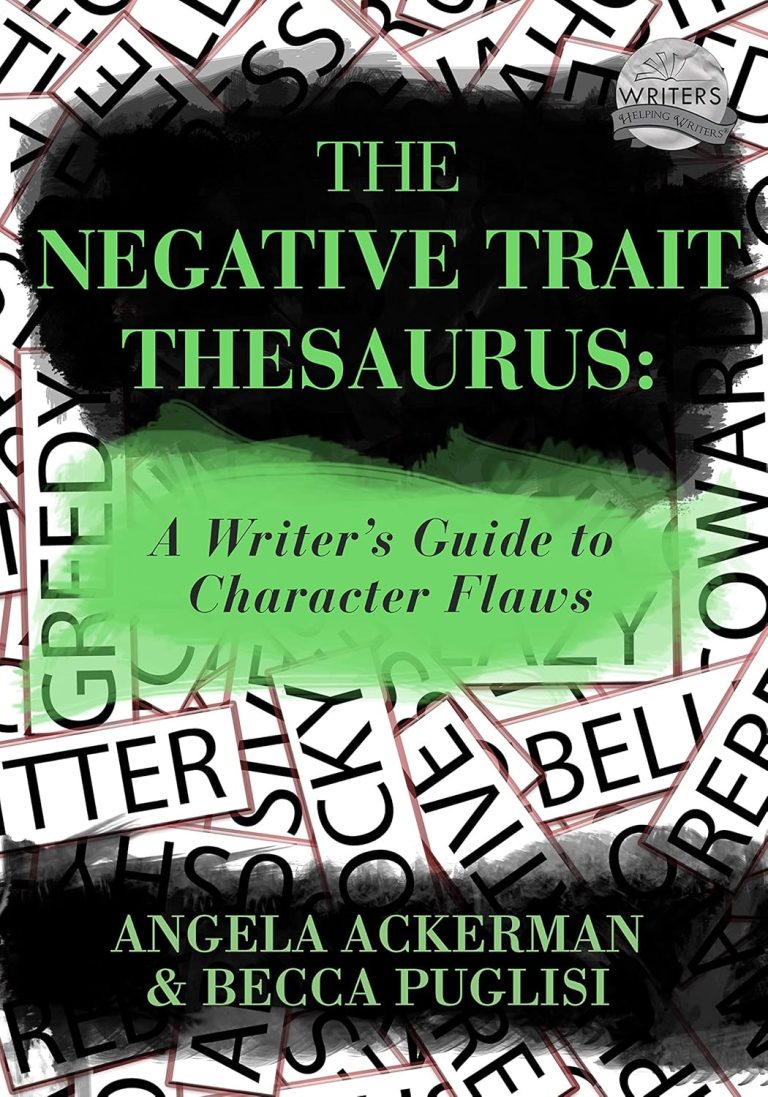
Other Books From – Being an Author


About the author


Other Books By – Angela Ackerman
Other Books By – Becca Puglisi