

TL;DR
9/10. Flaws are the core of a character, not a blemish, and this builds them on purpose: 100-plus traits with their roots, behaviors, conflict, and double edge. It keeps each flaw tied to its cause, and it’s fixed more flat protagonists for me than any other single book.
Flaws are what drive one. The Negative Trait Thesaurus is built on that single truth, and for the writer whose protagonist is likeable, capable, and completely inert, it’s the fastest cure I know.
The book runs through more than a hundred negative traits, from the loud ones like cruelty, arrogance, and dishonesty to the quiet, more interesting ones like being a workaholic, a martyr, a perfectionist, or compulsively nice. The quiet flaws are where the book is most useful, because those are the ones writers overlook in characters they’re rooting for.
What does a flaw entry give you?
Take perfectionism. The entry traces it to likely causes, often a childhood where love felt conditional on achievement, or a single public failure the character never recovered from.
It lays out the behaviors it produces, the missed deadlines disguised as standards, the inability to delegate, the projects abandoned instead of finished imperfectly. It maps the thoughts behind the behavior and the conflict it throws off in both directions, the inner war and the strained relationships. Then it does the thing that makes the book honest: it notes the trait’s upside.
A perfectionist produces excellent work and can be relied on for the things that matter. A real flaw cuts both ways, and the entry refuses to pretend otherwise.
Keep reading
Why your characters feel flat: psychology-first character development: flaws are where flat characters come alive. The psychology behind choosing the right one.
How I use it
When a character is too clean to be interesting, I find the flaw that fits their wound and trace its behaviors until the friction shows up on the page. A protagonist with no real flaw has nowhere to go, no internal cost, nothing to overcome, and readers feel that emptiness even when they can’t name it. Give the character a flaw and the story suddenly has somewhere to push, because the flaw will cost them something at the worst possible moment, and that’s when fiction comes alive.
The trick the book teaches by example is matching the flaw to the cause. A coward and a control freak might behave identically in one scene, both refusing to act, but they break differently under pressure because the fear underneath is different. The coward freezes to avoid danger; the control freak freezes because the situation has slipped beyond their management. Push them and the coward flees while the control freak doubles down and makes everything worse.
The entries keep that causal link in view. That stops you from stapling a random flaw onto a character and hoping it sticks.
The book also resists the most common mistake with flaws.
That’s making them harmless. A protagonist who’s charmingly clumsy or works too hard isn’t flawed in any way that costs them. A real flaw has to be capable of doing damage, of losing the character something they want, or it’s just a quirk. The entries are built around consequence, the way a trait sabotages relationships, derails goals, and forces the character into the choices that drive a plot.
That insistence on cost separates this from the softer character books that let a protagonist off easy.
Keep reading
A guide to character development: 8 steps to success: where the flaw fits in the larger job of building a whole person.
Where it sits in the set
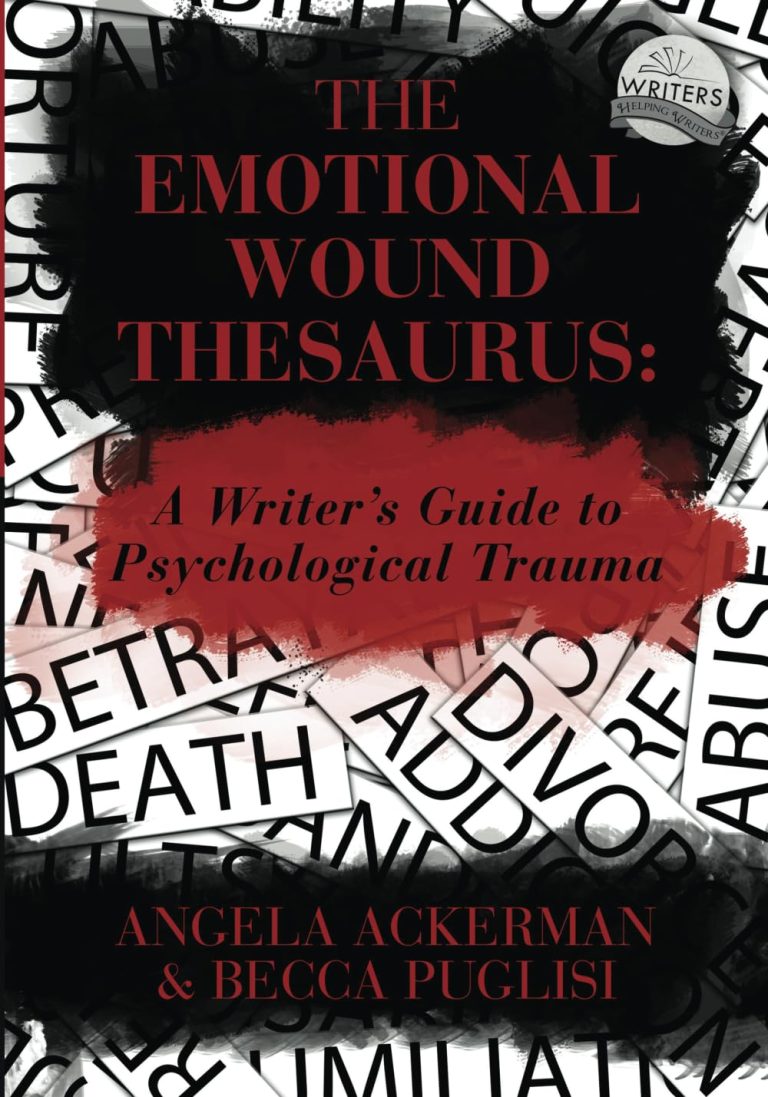
It interlocks with the Positive Trait and Emotional Wound volumes, since flaws, virtues, and the wounds beneath them are one connected system. But of the three I reach for this one most, because too-perfect is the more common failure in early drafts, and a flaw chosen well does more to bring a character to life than any amount of description. A strong, focused reference that’s fixed more flat protagonists for me than any other single book.
Explore the hub
The Psychology of Writing Hub: flaws, wounds, and the mental side of character, in one place.
Frequently Asked Questions
Other Books in the Writers Helping Writers Series Series

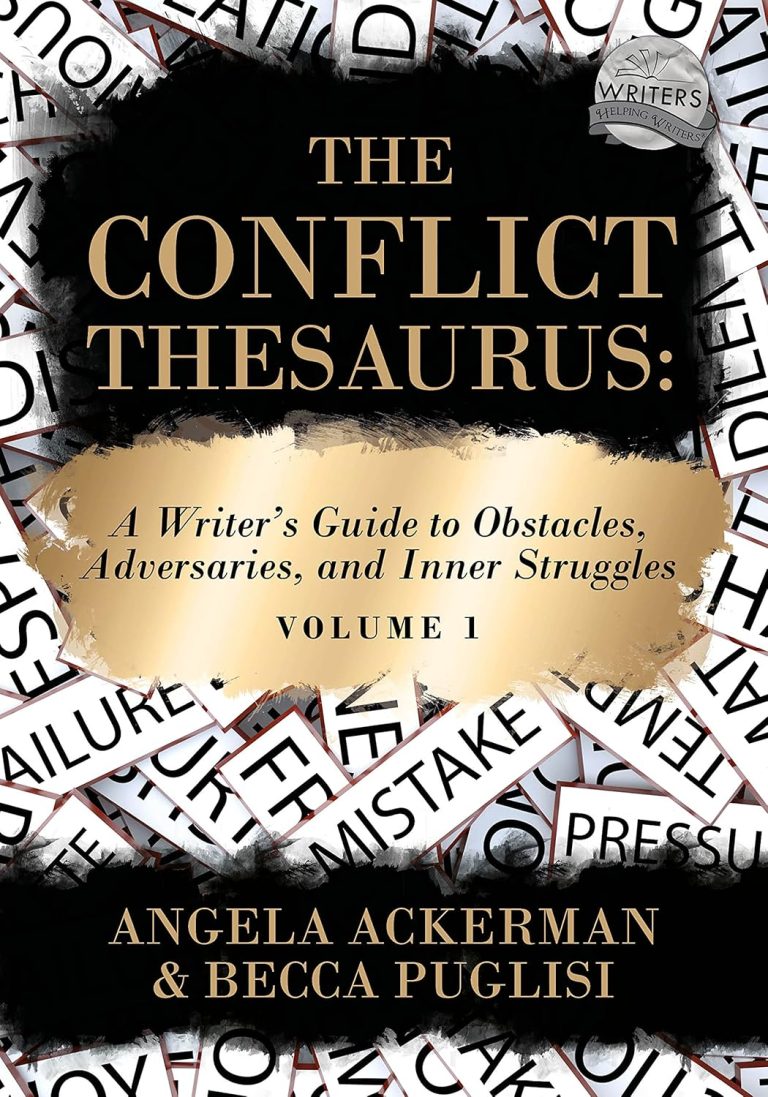
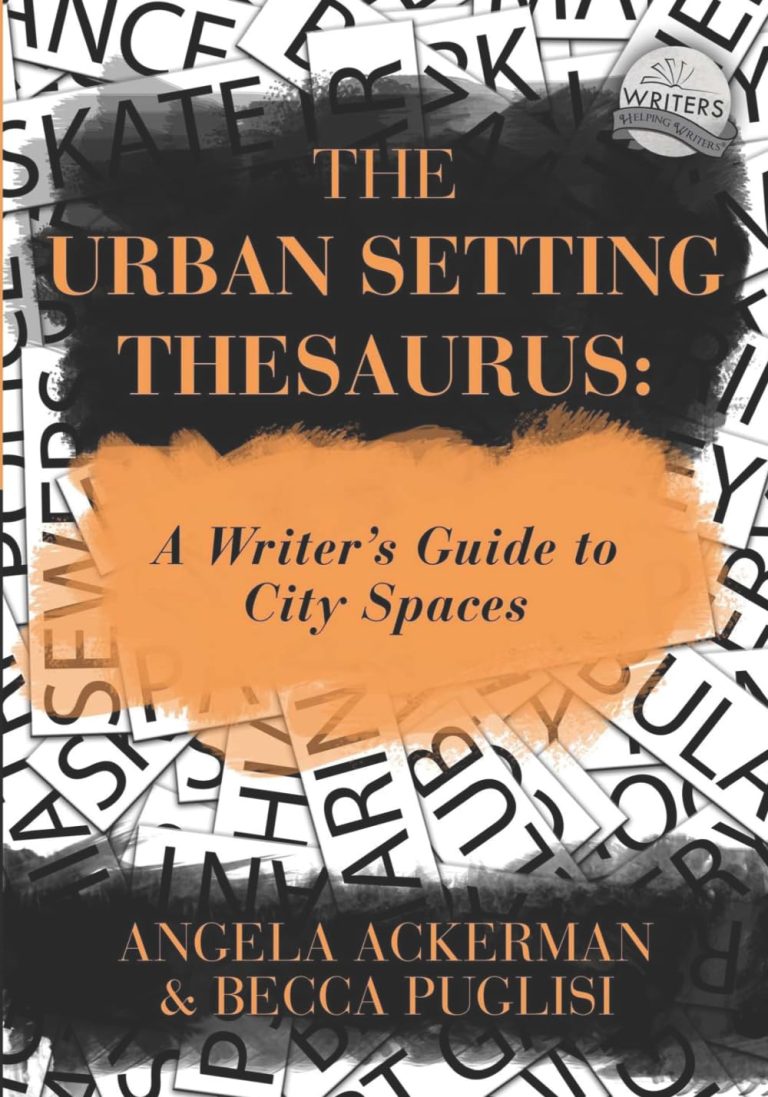
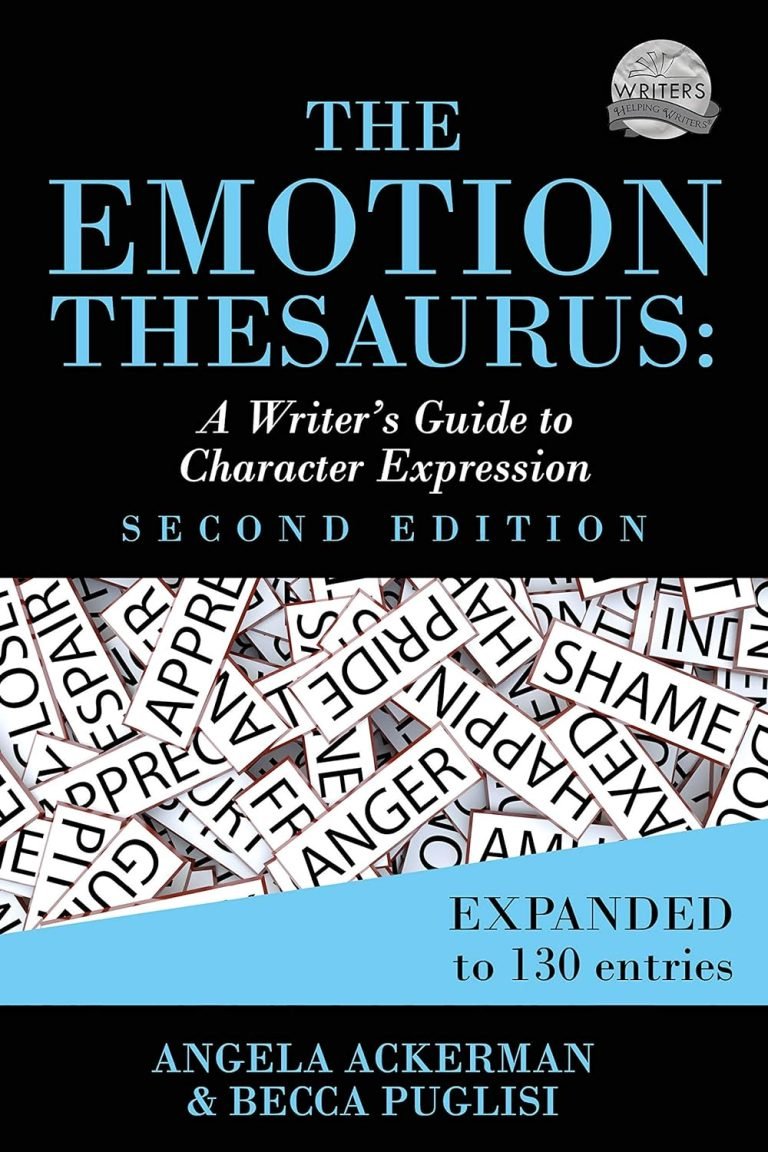
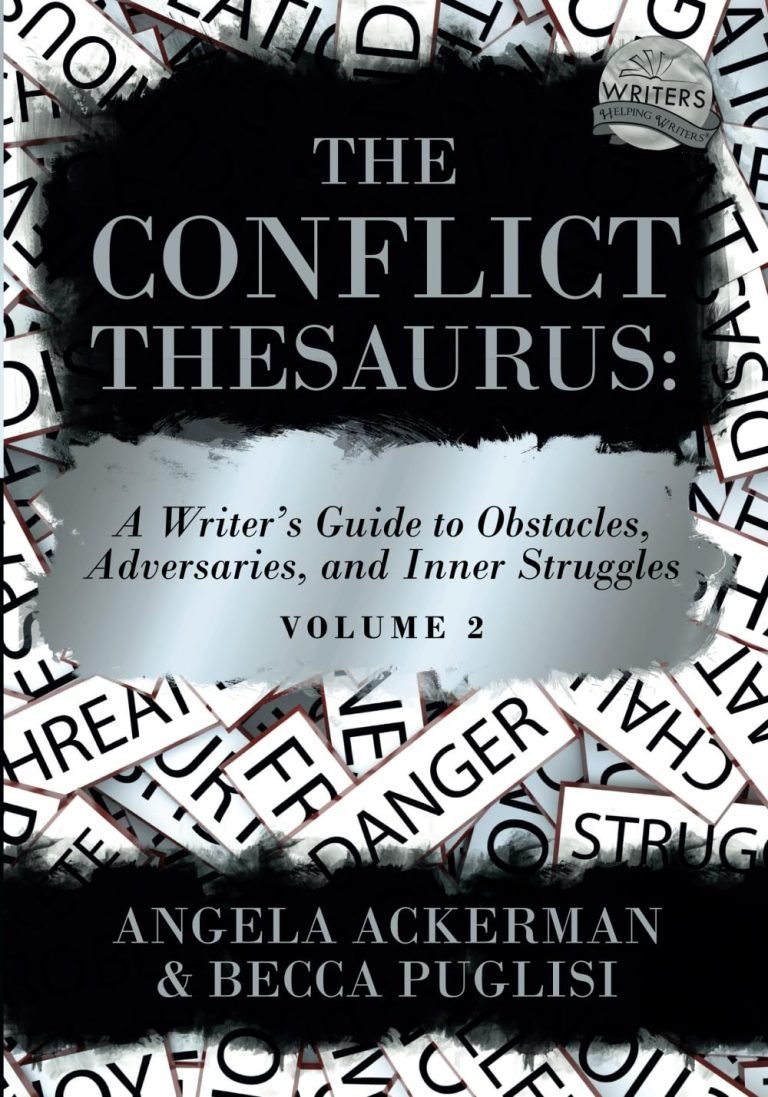
Other Books From – Being an Author



About the author


Other Books By – Angela Ackerman
Other Books By – Becca Puglisi