
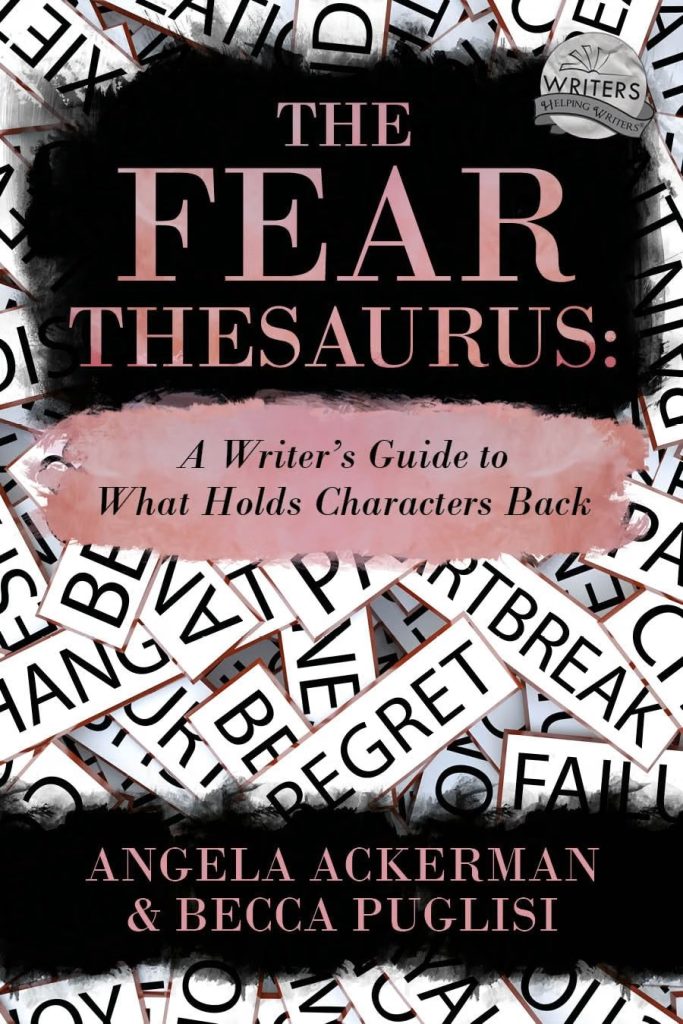
TL;DR
9/10. Eighty-plus fears, each broken down into what triggers it, how it shows in behavior, the internal conflict it produces, the wound it grew from, and how a character might get past it. The newest book in the series and among the most useful, because fear sits under a character arc instead of beside it.
The problem this book solves is one I hit constantly in manuscripts.
A character won’t change. The writer knows they won’t change, has some sense of why, and can’t get it onto the page in a way a reader can feel. So the resistance reads as stubbornness, or worse, as the author holding the plot back.
The Fear Thesaurus names what’s happening. The character is avoiding something, the avoidance has a shape, and that shape is describable in the same systematic way the earlier volumes describe an emotion or a setting.
What it catalogs
Over eighty fears, sorted into five categories: Survival, Stability and Control, Relationship, Identity, and Moral and Existential. The categories are more useful than they look, because they map onto what a character needs, and a fear that threatens a need is a fear that will bend a plot.
Each entry works through the same set of questions. What situations trigger this fear. How it shows up in the character’s behavior and their decisions. What internal conflict it generates. Which emotional wounds it could have grown from. How it’ll hinder and disrupt them over the course of a story. And what it would take for them to minimize or overcome it.
That last one is the piece most craft books skip. Plenty of references will tell you what a frightened person looks like. This one asks what has to happen for them to stop being that person. That’s the actual work of a character arc.
Keep reading
Character development: building people readers believe in: fear is the mechanism underneath most of it.
Where did The Fear Thesaurus help?
The front matter, which almost nobody reads and which is the most valuable part of these books.
The sections on the fatal flaw and on weaving fear into story structure changed how I approach an outline. The argument is that a character’s central fear isn’t a trait you assign, it’s the thing that determines which turning points land and which ones fall flat. Put the wrong fear under a character and the midpoint has nothing to break.
I used it on a manuscript where the protagonist kept refusing an obvious opportunity, and the refusals were starting to read as authorial delay. Working through the profile turned up a fear of being seen as a fraud that the author had implied in backstory and never converted into behavior. Once the avoidance had a name, the choices followed, and the character stopped looking obstinate and started looking afraid.
It’s also useful in the opposite direction. If a character is too agreeable, too available, too willing, they usually have no fear operating, and that’s why they’re boring.
Is The Fear Thesaurus worth reading?
This one stands closer to essential than most of the series. The Emotion Thesaurus is still the book to buy first, because showing a feeling is the more basic skill. But Fear does something the others don’t, which is connect a single character element to arc, structure, and the fatal flaw all at once, and it does it without turning into a theory book.
The complaint, and it applies to the whole series, is that a reference like this can produce mechanical writing if you use it as a menu. The entries are starting points for a character you already understand. Pick a fear because it sounds interesting and you get a character assembled from parts. Buying direct from the publisher gets a companion hub with a workshop, a genre handout, and a greatest-fear worksheet. Do that, since the worksheet is the part you’ll use repeatedly.
Explore the hub
The Psychology of Writing Hub: emotion and the mental side of craft, gathered in one place.
Frequently Asked Questions
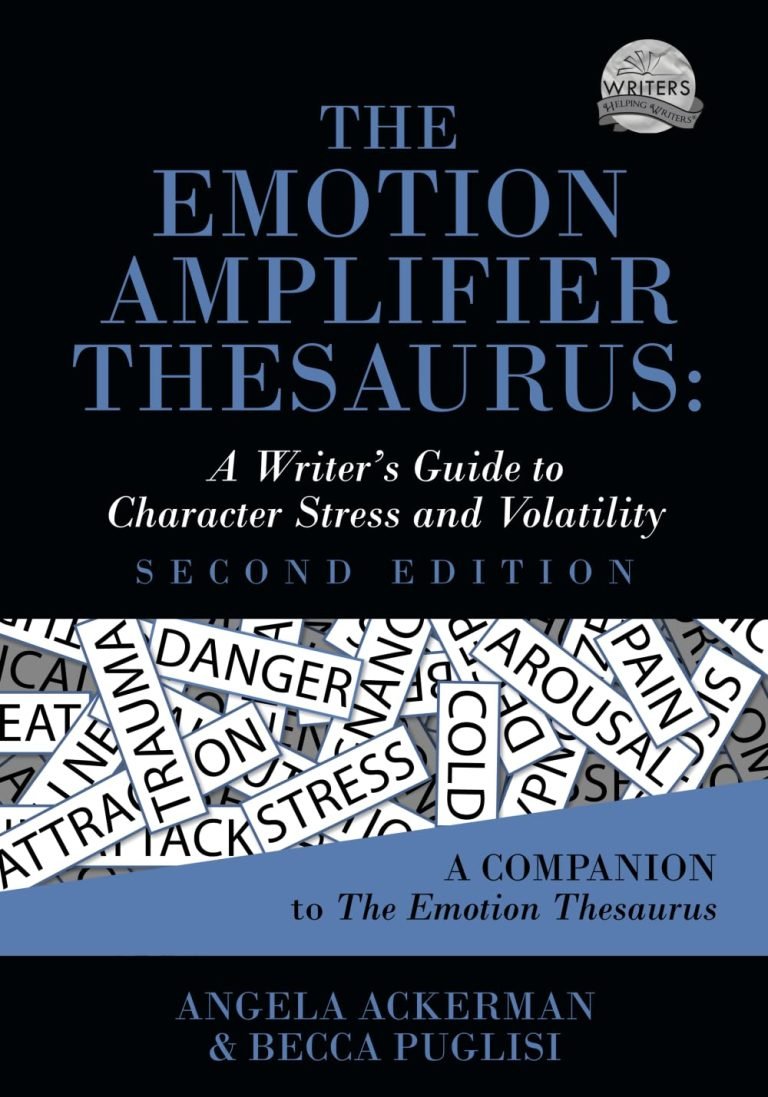
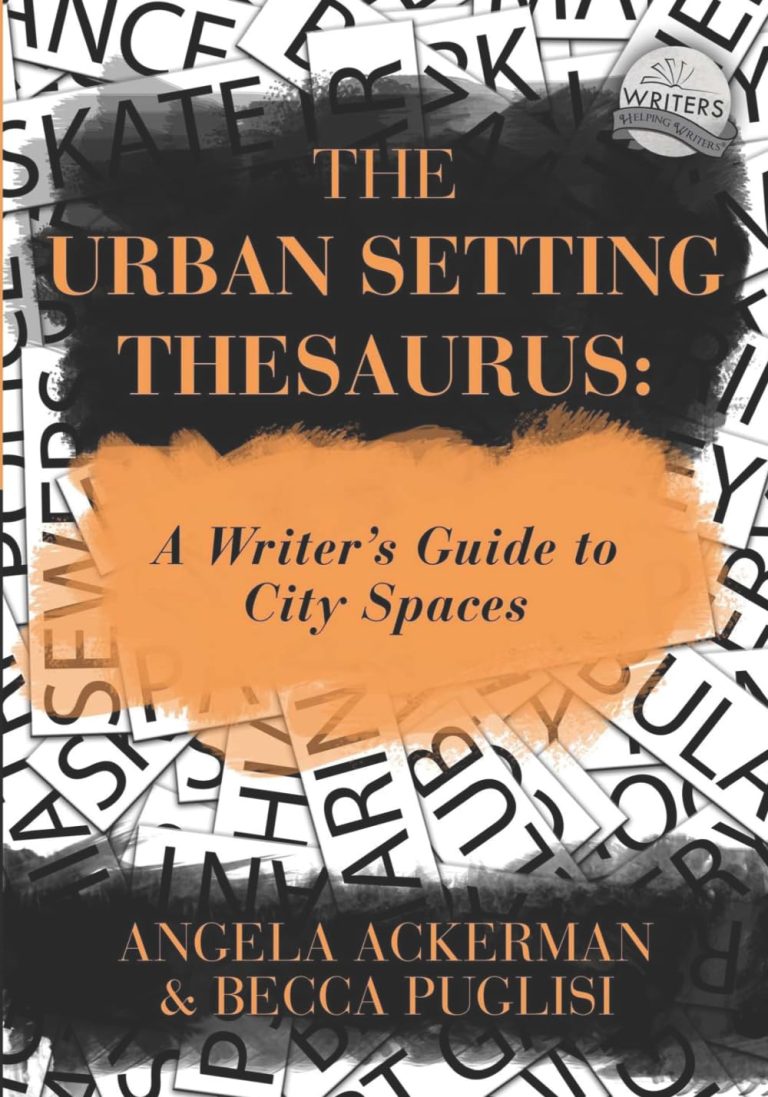
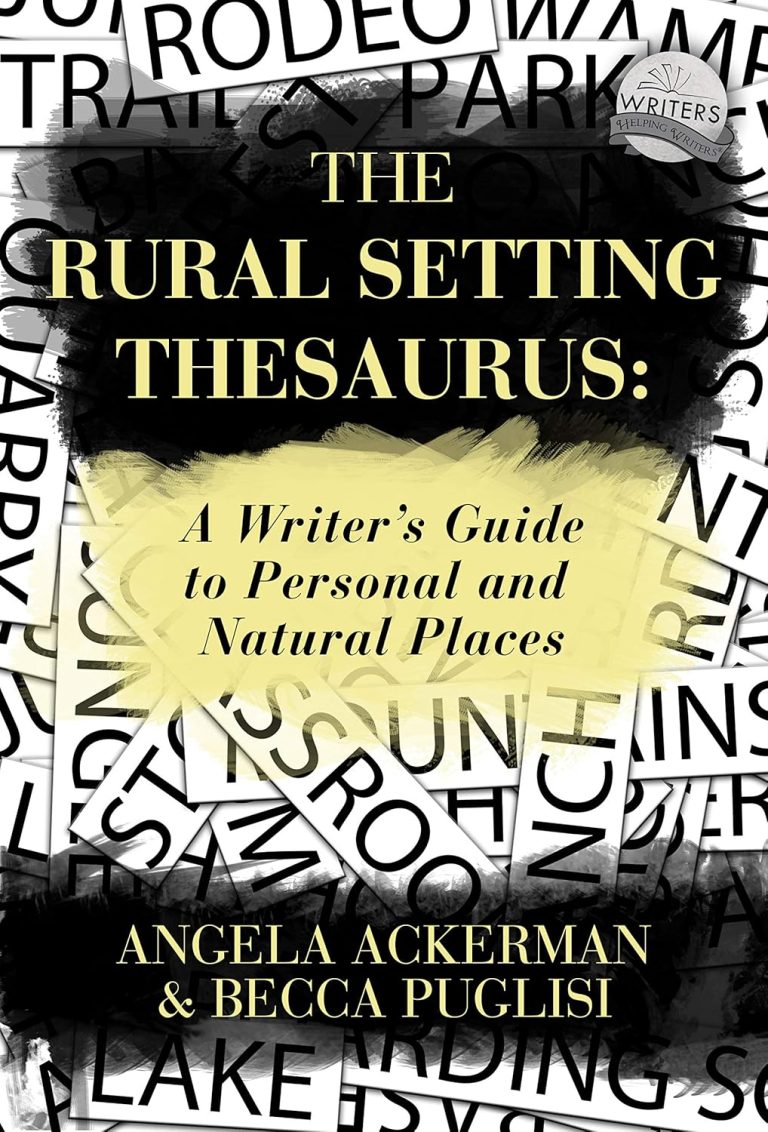
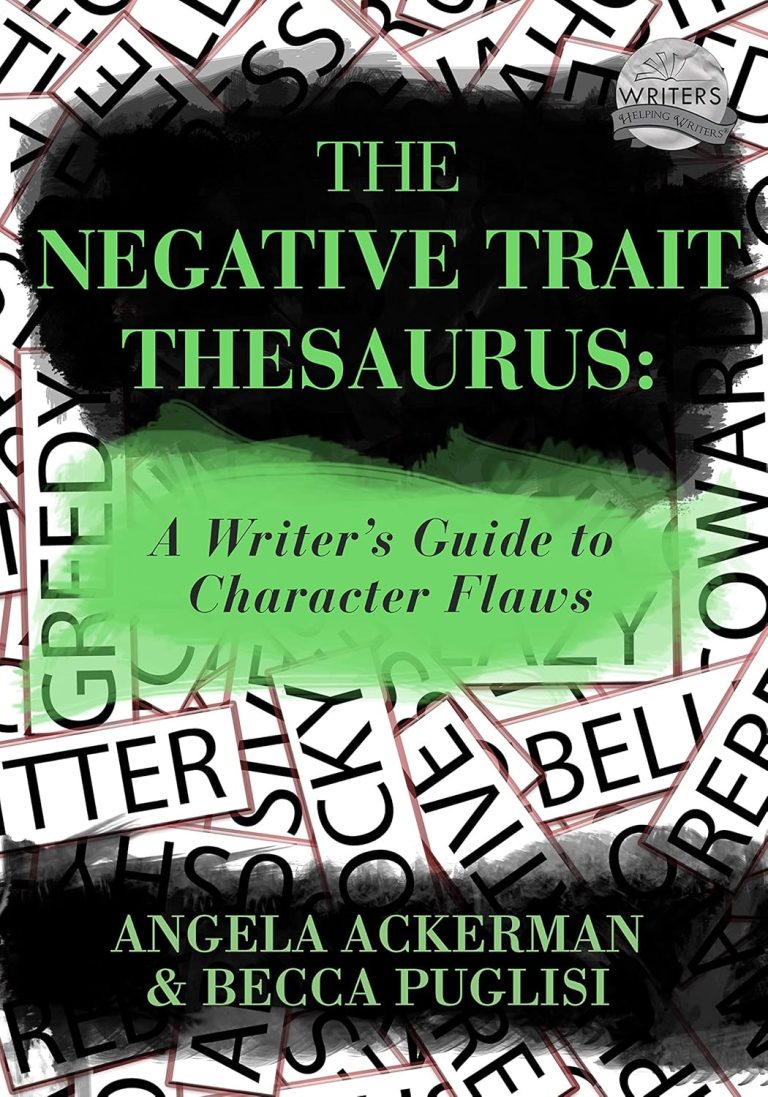
Other Books in the Writers Helping Writers Series Series

Other Books From – Being an Author


About the author


Other Books By – Angela Ackerman
Other Books By – Becca Puglisi