

TL;DR
7/10. The refill: more obstacles, adversaries, and inner struggles for writers who wore out Volume 1. Same reliable format, useful for the prolific, but only worth buying once the first volume is exhausted. Start with Volume 1.
This is the second half of a reference too large to fit in one book. The Conflict Thesaurus, Volume 2 picks up where the first left off and extends the catalog of obstacles, adversaries, and inner struggles into scenarios the first didn’t reach. If you found Volume 1 useful and started running out of fresh ways to make a character’s life harder, this is the refill, and a prolific writer will exhaust the first volume faster than they expect.
The format matches its predecessor exactly. Each entry covers the nature of the conflict, how it plays out, the emotions and decisions it forces, the possible outcomes, and how it escalates. Between the two volumes, the series assembles a thorough catalog of story friction for a writer’s shelf, spanning relationship ruptures, power struggles, moral dilemmas, failures, betrayals, and the slow internal erosions that wreck a character from inside.
What the second volume adds
The value here’s range. A writer working on their fifth novel, or a prolific short-story writer, burns through the obvious conflicts quickly, and a draft starts reaching for the same handful of problems, the argument, the deadline, the secret about to come out. Volume 2 widens the menu enough that you can keep finding pressure that feels fresh instead of recycled.
I use it exactly as I use Volume 1, as a prompt when a scene needs friction and the obvious options are spent, and having both on the shelf means I rarely run dry on credible ways to make a character’s situation worse. That’s most of a novelist’s job.
Where the second volume tends to prove its worth is in the subtler and more specific conflicts, the ones a writer wouldn’t generate on their own. The first volume covers the big, recognizable categories. The second gets into the granular scenarios, the conflicts of circumstance and timing and competing loyalties that don’t announce themselves as conflict but wreck a character’s plans.
Those are the entries I find myself reaching for in the middle of a book, when the obvious dramatic confrontations are spent and the story needs friction that feels like life instead of like plot machinery. A betrayal is easy to think of. The slow erosion of trust between two people who both believe they’re in the right is harder, and that’s the kind of thing the second volume is good at surfacing.
It also helps with the problem of escalation across a long manuscript.
A novel can’t run on one kind of conflict for four hundred pages; the reader numbs to it. Having a wide catalog at hand makes it easier to vary the pressure, to follow an external disaster with an internal reckoning and then a conflict of competing loyalties, so the tension keeps changing shape instead of repeating. For a writer managing a full-length book, that variety is worth more than any single brilliant scenario.
Keep reading
Plot vs. character-driven stories: 10 key differences: conflict is the shared engine. How the two story modes use it differently.
Worth it, but only after Volume 1
On its own it’s the less essential book, because you’d naturally start with the first volume, and a writer who’s not yet straining against the limits of Volume 1 doesn’t need this one. As the completing half of the set, though, it earns a place for anyone who wore out the first and wants the full range at hand. Sequence matters: buy Volume 1, use it hard, and when you find yourself wishing for more scenarios, make this your second purchase instead of your first.
Keep reading
A guide to character development: 8 steps to success: pressure reveals character. Conflict and character are one system.
Is The Conflict Thesaurus worth reading?
A solid extension of a strong reference. It doesn’t break new conceptual ground, it doesn’t need to, it simply gives a working writer more of the thing that made the first volume valuable. For the prolific, that’s reason enough to own it.
Explore the hub
The Writing Hub: conflict, structure, and the rest of the craft, in one place.
Frequently Asked Questions
Other Books in the Writers Helping Writers Series Series
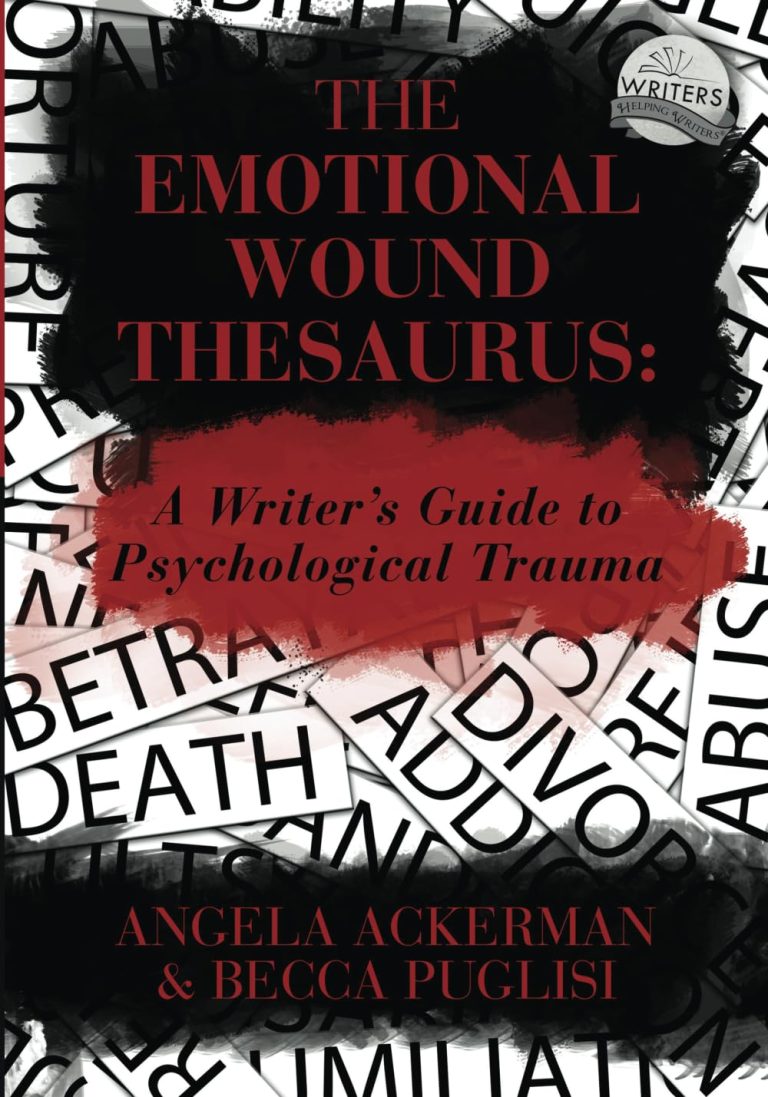

Other Books From – Being an Author


About the author

Other Books By – Angela Ackerman
Other Books By – Becca Puglisi