
On November 30, 2022, OpenAI put a chat window on the web and called it a research preview. It was free. Underneath sat a model called GPT-3.5, and nobody at the company expected much from it.
A million people signed up in five days. A hundred million had used it within two months.
Four years later, OpenAI says about 900 million people use ChatGPT every week, and around 50 million of them pay for it.
I worked in enterprise IT for 33 years, including 20 as Director of Computer Operations and Technical Services at Trader Joe’s, and I can’t name another piece of software that went from a curiosity to plumbing that fast. These days AI is my digital assistant every working day. It helps me write, and the writing is still mine. I’m on the $200 a month Claude plan and I burn through most of it every week.
So I’ve got opinions about the birthday, and only some of them are nice.
When did ChatGPT launch?
November 30, 2022. That makes November 30, 2026 its fourth birthday.
The launch version was GPT-3.5 tuned for conversation with a technique called reinforcement learning from human feedback. People rated its answers, and the model learned to give the kind they rated higher. It could hold a conversation, answer questions, write a poem about your cat and invent a court case that never happened. All of it in the same confident tone.
Where did ChatGPT come from?
ChatGPT looks like it arrived overnight, but it took eighty-six years.
Alan Turing described a universal computing machine in 1936, a theoretical device that could carry out any procedure you could write down. John McCarthy named the field artificial intelligence in the proposal for the 1956 Dartmouth workshop. Then came decades of big promises and thin results, and by the mid-1970s the money dried up in what people now call the first AI winter.
The field got its headlines back in 1997, when IBM’s Deep Blue beat Garry Kasparov at chess. In 2012, a deep neural network won the ImageNet image-recognition contest by a wide margin. That win started the deep learning boom everybody’s still riding. DeepMind’s AlphaGo beat Lee Sedol at Go in 2016.
A paper with a cheeky title and eight authors turned out to be the most important thing published in computing that decade.
The one that mattered for writers came in 2017. Researchers at Google published a paper called “Attention Is All You Need” and introduced the transformer, a design for neural networks that handled language far better than anything before it. The T in GPT stands for transformer. A paper with a cheeky title and eight authors turned out to be the most important thing published in computing that decade.
How big were the GPT models before ChatGPT?
They grew by a factor of more than a thousand in two years. OpenAI built its first Generative Pre-trained Transformer on Google’s design in 2018 and then kept making it bigger.
| Model | Year | Parameters | What people noticed |
|---|---|---|---|
| GPT-1 | 2018 | 117 million | Researchers, and almost nobody else |
| GPT-2 | 2019 | 1.5 billion | OpenAI first held back the full model, saying it was too dangerous to release |
| GPT-3 | 2020 | 175 billion | Developers, through a paid API with a waiting list |
| GPT-3.5 in ChatGPT | 2022 | Not disclosed | Everybody |
The jump that changed the world had nothing to do with size.
OpenAI put a text box in front of the model and let anybody type into it for free.
What changed in ChatGPT’s first four years?
Almost everything under the hood. The model changed more than a dozen times, and the product went from a chat window to something that can run your browser, write code for hours and operate a computer on your behalf.
| When | Release | What changed |
|---|---|---|
| November 2022 | ChatGPT on GPT-3.5 | A free chat window; a million users in five days |
| March 2023 | GPT-4 | A big jump in reasoning and fewer obvious blunders |
| May 2024 | GPT-4o | Text, images and audio handled by one model |
| August 2025 | GPT-5 | Stronger reasoning and coding; agents that carry out tasks |
| March 2026 | GPT-5.4 | Built-in computer use and a context window of about a million tokens |
| Summer 2026 | GPT-5.6 Sol, Terra and Luna | Three tiers, from the strongest model down to the fastest and cheapest |
| September 2026 | GPT-6 Astra | Released as a limited preview with its cybersecurity abilities fenced off; the rest of the GPT-6 family followed |
The competition moved just as fast. Google has Gemini, xAI has Grok, and Anthropic has Claude. Claude’s the one I use most. I wrote about how Claude, ChatGPT and Grok compare for real writing work, and the gap between them changes every few months.
Is GPT-6 artificial general intelligence?
No, and I’m tired of hearing it.
When OpenAI released GPT-6 Astra on September 3, 2026, its president, Greg Brockman, said it could eventually be seen as the arrival of AGI. OpenAI defines AGI as a system that can do all economically valuable work as well as a human or better. Who wrote that definition? The company selling the product, and it wrote one it could meet.
Whether a machine counts as generally intelligent depends entirely on how you define the term, and every company in this race gets to pick its own definition. That’s also why I think the singularity is overrated. I wrote about whether a conscious AI would even care about us, and I still don’t think today’s models are curious or sentient. They’re astonishing tools. They don’t want anything.
The part of the Astra launch that worries me got far less attention. Astra uses a technique that hides some or all of its chain of thought, and AI safety researchers say that makes it harder to monitor what it’s doing. OpenAI also warned about its cyber abilities and fenced them off from the public. A company that can’t fully watch its own model’s reasoning has no business calling it a milestone in the same breath.
A company that defines AGI as work its own product can do will always announce that it built AGI. – Richard LoweShare on X
What went wrong with generative AI in four years?
Plenty. The tool got better, and people found worse things to do with it.
It still makes things up.
Lawyers have filed briefs citing cases that don’t exist, and writers keep publishing invented quotes under their own names. If you put your name on something, check every fact, and my survival guide to AI hallucination explains how.
Your chats aren’t as private as you think, either. ChatGPT logs people believed they’d deleted have turned up in court. I covered that in your AI chats aren’t private.
And then there’s the slop. About 70 percent of my YouTube feed is AI garbage now, a couple of prompts stitched into a video and pumped out by the thousand. Good AI video doesn’t bother me. Lazy crap does, and I’m close to quitting the platform over it.
Who asked for any of this? LinkedIn isn’t much better.
The jobs question keeps people up at night. Economists love papers that model the end of work on a spreadsheet. They forget that hungry people revolt. Public anger sets the real limit on how far any company can push this. I made that argument in a response to the economist who says we won’t be missed.
What do the EU’s AI rules require from chatbots in 2026?
Europe is the only place with a full AI law on the books, and it’s arriving in stages. Since August 2, 2026, chatbots have to tell users they’re talking to a machine, and deepfakes have to be labeled. The heavy rules for high-risk uses like hiring and credit got pushed back by the Digital Omnibus on AI, in force since July 27, 2026.
| Date | What applies |
|---|---|
| February 2, 2025 | Banned AI practices and AI literacy duties |
| August 2, 2025 | Obligations for general-purpose AI models |
| August 2, 2026 | Transparency: chatbot disclosure and deepfake labels |
| December 2, 2027 | Stand-alone high-risk systems, such as hiring and credit scoring |
| August 2, 2028 | High-risk AI built into regulated products such as medical devices and machinery |
America has nothing like it at the federal level, and I’m not convinced a law written in Brussels in 2021 understands what these models do in 2026.
My take
Four years in, ChatGPT and its rivals are the best writing assistants anyone has ever had, and the worst slop factories ever built. Both are true at once. The model doesn’t decide which one you get. You do. Use it to outline, research and argue with your draft, check every fact it hands you, and ignore every executive who calls the latest release AGI.
How should writers use ChatGPT now?
As an assistant. Let it transcribe, summarize, outline and poke holes in your argument, and then write the book yourself. Type one line, hit enter, and the book you get back has no soul in it. Readers can tell. Writers who treat AI as a smart assistant are getting faster and better, while the ones churning out all-AI slop are finding out that people have caught on.
Judge the writing, too, never the tool. Nobody cares what word processor Hemingway would’ve used. They care whether the book is any good.
My AI and writing hub collects everything I’ve written about doing this well, and if you want help putting your own book together with modern tools behind it, look at my ghostwriting service.
ChatGPT is four years old. It’s a precocious kid. Just don’t hand it your name and walk away.
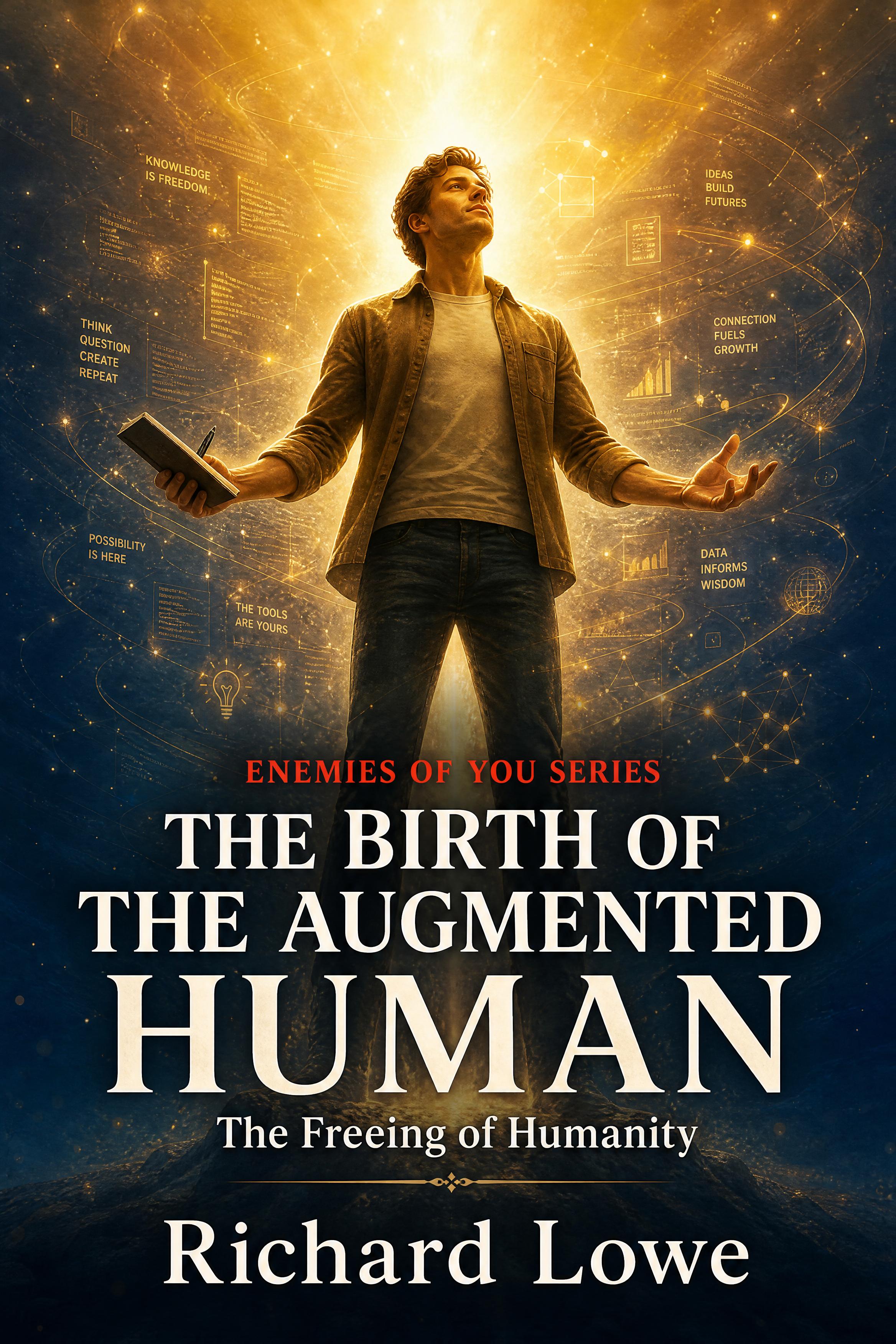
If ChatGPT is going to sit next to you every day, this book covers the habits that keep your own judgment working while it does.
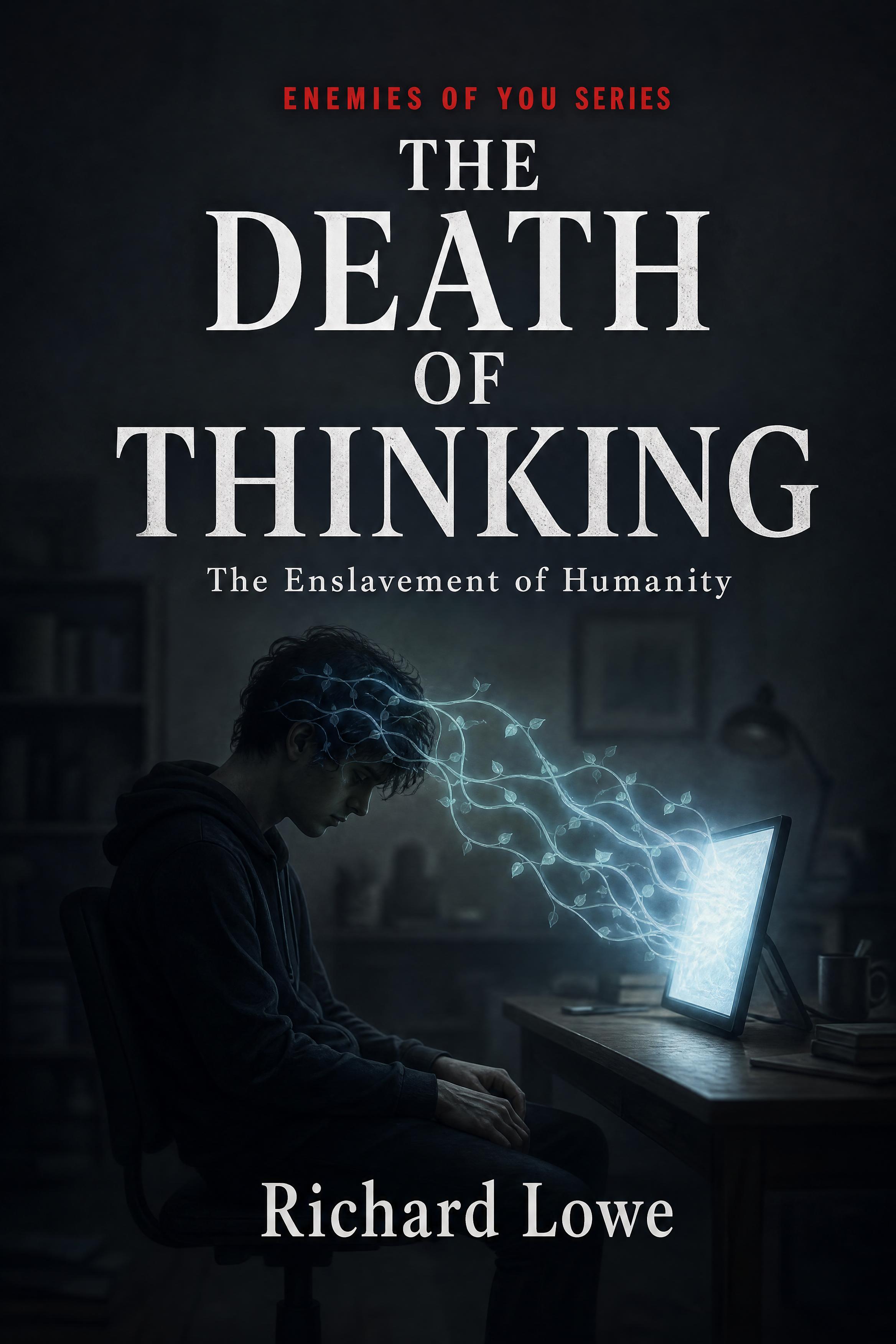
What happens to your judgment when you hand all of it to a chatbot, and what you lose before you notice it’s gone.
Frequently Asked Questions
- ChatGPT, Wikipedia
- OpenAI releases new model GPT-6 Astra, says it may represent AGI, Axios
- GPT-6 Astra, Wikipedia
- OpenAI launches GPT-5.4, SiliconANGLE
- ChatGPT surpasses 900 million weekly users, ROIC
- EU Digital Omnibus on AI enters into force, National Law Review
