

TL;DR
8/10. The companion that explains why a feeling runs hot: stress, exhaustion, hunger, illness, intoxication, the states that spike emotion and wreck judgment, and that’s when characters make the story-driving choices that would otherwise read as stupid. Sharp and focused, best paired with the Emotion Thesaurus.
The flagship Emotion Thesaurus teaches you to show a feeling. It doesn’t teach you why that feeling is running hotter than it should, or why a normally sensible character is suddenly making a terrible decision. The Emotion Amplifier Thesaurus fills that gap, and it’s the newest book in the series, published in 2024.
Amplifiers are the external states that crank up what a character feels and wreck how well they think. Stress, exhaustion, hunger, illness, pain, intoxication, extreme cold or heat. None of these are emotions. They’re conditions that intensify emotions and degrade judgment, and the book treats them as a distinct tool for raising the temperature of a scene.
What it catalogs
Take exhaustion. The entry shows how it lowers a character’s emotional threshold so small irritations become rages, how it narrows their thinking to the short term, how it erodes impulse control and makes them say the thing they’d normally swallow. It connects the physical state to the cognitive and emotional dissonance that follows, the discomfort that steers reasoning when a character is pushed past their normal capacity. The insight underneath is simple and useful: a calm, rested, well-fed character makes sensible choices, and sensible choices rarely make good stories.
Keep reading
Emotional writing: 8 techniques for deeper connections: amplifiers raise the heat; this is how you make a reader feel it.
Where did The Emotion Amplifier Thesaurus prove its worth?
When a character’s big decision feels unmotivated, when a reader would fairly ask why a smart person did something so stupid, the fix is often an amplifier I never accounted for. Exhaustion after three days of crisis, fear that’s been climbing for chapters, hunger, grief, or a few drinks can turn a choice that would otherwise read as idiotic into one that feels inevitable. The amplifier is the missing pressure that makes the bad decision believable, and believable bad decisions are the lifeblood of plot.
It’s a small, sharp book aimed at a precise problem, and it’s more useful than I expected a supplement to be.
The book also goes beyond a simple list by handling layering well. Amplifiers stack. A character who’s exhausted and afraid and a little drunk is a different person entirely from a baseline character, operating on a frayed wire, and the entries help you think about how these states combine and compound instead of treating each in isolation.
That matters in a climax, where a writer wants a character at the absolute edge of their judgment, and stacking two or three amplifiers is how you get them there instead of just declaring that they snapped.
There’s a quieter use too, in physical writing. The amplifier entries double as a reference for how a body betrays a mind under strain, the tremor of low blood sugar, the thick-headedness of a fever, the way cold narrows a person down to the single thought of getting warm. For a writer who wants the physical and the emotional to move together, the book supplies the bridge between what a character feels and what their failing body is doing about it.
Keep reading
Why your characters feel flat: psychology-first character development: a heightened state is when character shows. The psychology behind the spike.
Is The Emotion Amplifier Thesaurus worth reading?
It’s supplemental by design and assumes you already work with emotion on the page, so it pairs with the flagship instead of replacing it. A new writer should start with the Emotion Thesaurus and add this later. But for a writer who already owns the flagship and wants to raise the stakes inside a scene believably, to make a character’s worst decisions feel earned instead of arbitrary, it’s a smart, focused tool. Less essential alone, valuable as a companion.
Explore the hub
The Psychology of Writing Hub: emotion and the mental side of craft, gathered in one place.
Frequently Asked Questions
Other Books in the Writers Helping Writers Series Series

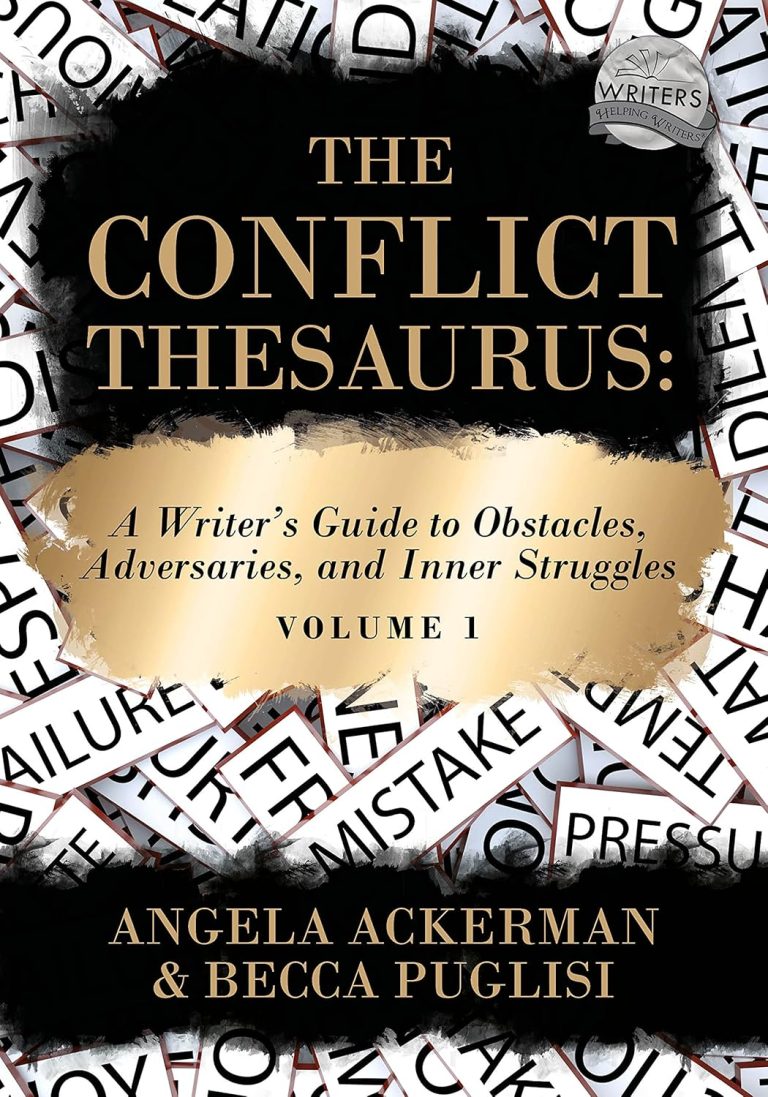
Other Books From – Being an Author





About the author


Other Books By – Angela Ackerman
Other Books By – Becca Puglisi