

TL;DR
7/10. The companion to the flaw guide, covering the half most writers skip: 100-plus virtues with their roots, behaviors, and the friction even strengths throw off. Its real lesson is that a virtue is a story engine. Useful and well made, but the less essential of the pair.
Everyone remembers to give a character flaws. Far fewer think as hard about virtues, and that imbalance is exactly the gap The Positive Trait Thesaurus fills. It’s the companion to the flaw volume, and it does the half of the job most writers skip without realizing they’re skipping it. I’m sick of casts built from nothing but wounds, so a whole book on what’s good in people is overdue.
It explores over a hundred positive attributes, the obvious ones like courage, loyalty, and discipline, and the subtler, more useful ones like being perceptive, adaptable, patient, or disciplined under pressure. For each it covers the definition, where the trait tends to come from, the behaviors it produces, and how it shapes relationships and conflict.
The insight that makes it worth owning
The smartest idea in the book, and the one it keeps coming back to, is that a strength can wreck a character’s life as easily as a flaw can.
Loyalty can trap a character in a relationship or a cause long after they should have walked away. Honesty can wound the people around them and cost them allies. Discipline can curdle into rigidity. Even a virtue generates friction, and that friction makes it worth a writer’s attention instead of a gold star pinned to the character’s chest.
Take the entry on loyalty. A lazier book would praise the trait and move on. This one goes after it.
It shows how loyalty can put a character in conflict with their own interests, how someone who doesn’t deserve it can exploit it, how it can force an impossible choice between two people the character is loyal to. That’s a story engine, not a compliment, and seeing virtues that way changes how you build a cast.
The book is also useful for the secondary cast, where it does some of its best work. A protagonist usually gets enough authorial attention to develop a real personality on their own, but the supporting characters are where writers cut corners, handing them a single trait and calling it done. That’s lazy, and readers notice. Pulling a defining virtue from this volume, and then showing how it complicates the character’s life, turns a flat sidekick into someone who feels like they have an existence off the page.
The mentor whose patience is also an inability to push the hero hard enough, the friend whose generosity leaves them perpetually broke, these are the small touches that make a world feel populated instead of staffed.
Keep reading
Plot vs. character-driven stories: 10 key differences: strengths drive character-led stories as much as flaws. How the two modes trade off.
How it pairs with the flaw volume
I reach for it when a character is all damage and no spine. A protagonist built only from flaws is exhausting and hard to root for, a misery with legs. Finding the strength underneath, and the way that strength sometimes works against them, gives the character a center to stand on and a reason a reader keeps following.
The best characters usually have a virtue and a flaw that are two faces of the same trait: the loyal friend who can’t abandon a sinking cause, the honest colleague who can’t keep a necessary secret. This book and its companion together help you build that kind of two-edged character on purpose.
Is The Positive Trait Thesaurus worth reading?
It’s slightly less essential than the Negative Trait volume, only because writers tend to need flaw help more often than virtue help in practice. But as a pair the two give the complete picture, and this is the half most likely to be missing from your work. It’s well made and focused, and once this book exists, a writer has no excuse for a protagonist who’s all damage.
Keep reading
A guide to character development: 8 steps to success: where virtues fit in building a whole, balanced person.
Explore the hub
The Psychology of Writing Hub: strengths, flaws, and the mental side of character, gathered here.
Frequently Asked Questions
Other Books in the Writers Helping Writers Series Series

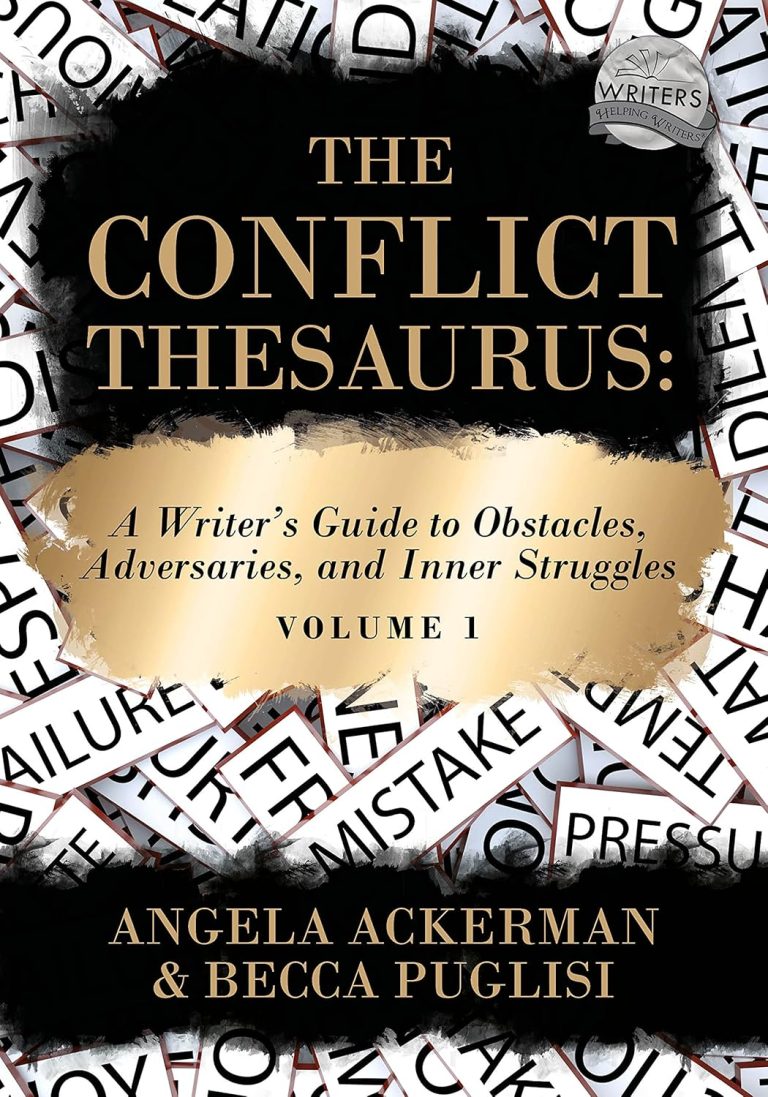
Other Books From – Being an Author


About the author

Other Books By – Angela Ackerman
Other Books By – Becca Puglisi