

TL;DR
10/10. The gold-standard fix for the writer stuck describing the same clenched jaw for the fortieth time. 130-plus emotions, each with body language, internal sensations, thoughts, and the cues for a character hiding the feeling. A tool you open mid-draft and dog-ear.
Every writer hits the same wall sooner or later. A character is furious, or heartbroken, or terrified, and what lands on the page is that they clenched their jaw and their heart pounded, for the fortieth time. The cues go stale because you keep reaching for whatever comes to mind first, and that’s always the obvious cue. The Emotion Thesaurus gets you over that wall better than anything else in print.
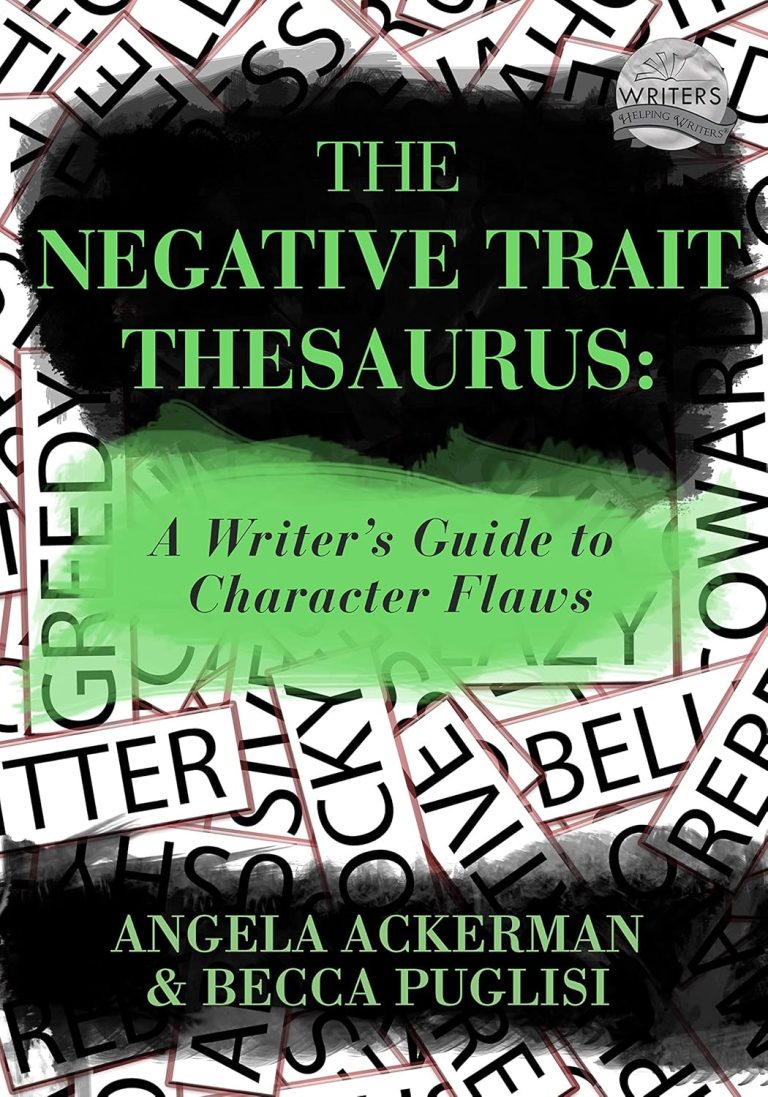
It was the first book in what became the Writers Helping Writers series, and it remains the one most writers own.
Angela Ackerman and Becca Puglisi built it around a single, narrow, maddening problem: how do you show what a character feels without simply naming the feeling? Telling the reader someone is angry is flat and lazy. Showing the anger through the body, the gut, and the racing mind is what pulls a reader into a scene, and it’s exactly the place writers stall out.
How an entry is built
Open the book to any emotion and the structure is the same. Take anger. The entry gives you physical signals, the jaw, the flushed neck, the jabbing finger. It gives you internal sensations, the heat climbing the chest, the pulse in the ears. It gives you mental responses, the narrowing of thought down to the target.
Then it does the thing that makes the book worth owning: it lists cues for the suppressed version, the character holding the anger in, because a clenched smile over fury is far more useful on the page than a shout.
The current edition runs to more than 130 emotions, ordered loosely from mild to severe, and they cross-reference each other so you can trace a character escalating from annoyance to anger to rage, or sliding back down toward weary resignation.
That escalation map is among the book’s best features. Emotions in real scenes are rarely static. They move, and the book is built to help you move them.
Keep reading
Showing and telling: why “show don’t tell” is bad advice: the principle this book serves, with the nuance the slogan always loses.
The craft chapters are worth reading
Newcomers treat the entries as the entire book and skip the front matter. That’s a mistake. The opening chapters are a real short course on writing emotion. The authors break down the failures, the overused cues that turn an entire cast into nodding, smiling, jaw-clenching blurs, the tendency to name a feeling and move on, the trap of melodrama where every emotion gets dialed to eleven.
They explain how to bring out a hidden feeling through subtext, how to vary intensity so a quiet scene reads differently from a crisis, and what to settle about a character before drafting so their reactions stay consistent. That material teaches the principle. The 130 entries just help you execute it on a given afternoon.
The right way to use it, and the wrong
Used well, it’s a brainstorming prompt. A character’s reaction has gone generic, you open the entry, and it knocks you out of the three tired gestures you default to and toward the specific thing this particular person would do in this particular moment. A grieving soldier and a grieving grandmother don’t grieve the same way, and the book’s range helps you find the cue that belongs to the character instead of to grief in general.
Used badly, it becomes a copy-paste menu, and then every character reacts from the same list and the prose flattens in a new direction. The authors warn about this directly. The fix is to treat the entry as a spark, not a script: read three or four cues, close the book, and write the one your character would show, often a variation the list only suggested.
I’ve kept a copy on the shelf for years and reach for it mid-draft more than almost any other reference, never to lift a cue whole, always to break a logjam when a scene’s emotion has gone stiff.
Keep reading
Emotional writing: 8 techniques for deeper connections: how to make a reader feel what your character feels, once the right cues are down.
Is The Emotion Thesaurus worth reading?
People call it the gold standard, and after years of use I agree without reservation.
It won’t teach you plot, structure, or voice, and it never pretends to. It sticks to showing emotion, the hardest small problem in fiction, and nothing else on the shelf solves it as directly or as deeply. For most fiction writers it deserves a permanent spot in the toolbox, opened often and dog-eared.
Explore the hub
The Psychology of Writing Hub: emotion is psychology on the page. The whole mental side of the craft is here.
Frequently Asked Questions
Other Books in the Writers Helping Writers Series Series

Other Books From – Being an Author


About the author


Other Books By – Angela Ackerman
Other Books By – Becca Puglisi