TL;DR
6/10. A useful, authoritative science-for-writers reference on spaceflight. It grounds science fiction in real physics, and above all it helps a writer know which rules to honor and which to break on purpose. Its 1990s sense of the frontier is dated even as its foundational physics holds, so verify current developments against newer sources. A capable grounding for hard SF.
Space Travel by Ben Bova (with Anthony R. Lewis), part of Writer’s Digest’s science-for-writers line, is a reference designed to help science-fiction writers get the science right, explaining the real principles of spaceflight and related physics so a writer can make their fiction plausible, and understand which liberties stretch credibility and which break it. Written by Bova, a respected SF author and longtime editor, it gives writers a working grounding in the science behind space travel.
Reviewed as the specialized craft reference it is, it serves a real purpose, with the caveat that science references age in their own particular way. Sloppy physics in science fiction is a cardinal sin, so a book that gives writers accurate science starts on my good side, even when it shows its age.
The lens, as with these references, is craft: the value is accurate science as raw material for plausible fiction, and this review treats it as that tool, focused on what it gives a storyteller.
Getting the science right
The book’s value is translating the real science of spaceflight, orbital mechanics, propulsion, the physics and hazards of space, the realities of travel between worlds, into terms a writer can use to ground their fiction. Hard science fiction depends on plausibility, and genre readers often know the science well enough to catch an error. A writer who can’t tell the defensible from the simply wrong is going to get caught, and those readers won’t be kind about it.
Bova’s authority as a scientist-minded author and an editor shows in the practical orientation. The book explains the science so a writer can decide where to be accurate, and where to bend the rules knowingly for the story.
Keep reading
Hard science fiction: getting the science plausible: Bova’s grounding in real spaceflight science, in the craft of plausible SF.
Knowing which rules to break
The most useful insight a science-for-writers book offers is less the facts than the judgment of where they matter. The real science lets a writer make informed choices: to honor physics where accuracy improves the story and the reader expects it, and to break it deliberately, faster-than-light travel, say, where the story requires and convention permits, instead of breaking it out of ignorance. Ignorance is the version I can’t forgive.
Bova’s grounding helps a writer distinguish the defensible speculation from the careless error, the knowledge that lets hard SF feel rigorous and even soft SF feel deliberate. Knowing the rules makes breaking them work.
Keep reading
Writing science fiction: when to honor the science and when to bend it: the informed rule-breaking that real science knowledge enables.
Is Space Travel still current?
Science references age like this: the established physics, orbital mechanics, the fundamental constraints of spaceflight, doesn’t change, so the core of the book remains valid, but the frontier does. This book dates from the 1990s, and the cutting edge of space science and technology has advanced, new propulsion concepts, new discoveries, new understanding, so the book’s sense of what is current or near-future is dated, even though its foundational physics holds.
A writer should treat the fundamentals as sound and verify anything about the current state of the art or recent developments against up-to-date sources. The bedrock is reliable; the frontier has moved.
Is Space Travel worth reading?
It’s a useful, authoritative science-for-writers reference on spaceflight, valuable for grounding science fiction in real physics and, above all, for helping a writer know which scientific rules to honor and which to break deliberately. It loses ground for its 1990s vintage, which dates its sense of the frontier even as its foundational physics holds, so a writer should verify current developments against newer sources.
Treat it as sound on the fundamentals and a dated starting point on the cutting edge, useful to the SF writer who wants plausibility and dated only at the frontier like its shelfmates. Six out of ten feels right to me: the physics is solid and still useful, and the frontier material is a museum piece. A capable, well-credentialed grounding for hard science fiction.
Explore the hub
The Writing Hub: science fiction, research, and the rest of the craft, gathered in one place.
Frequently Asked Questions
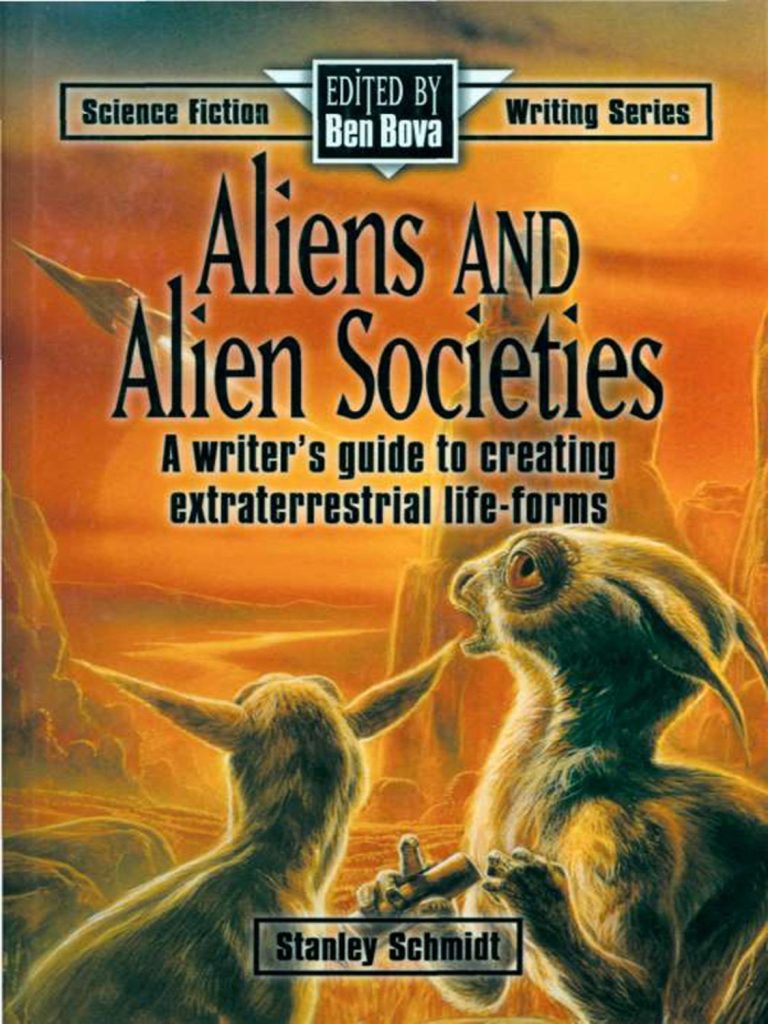
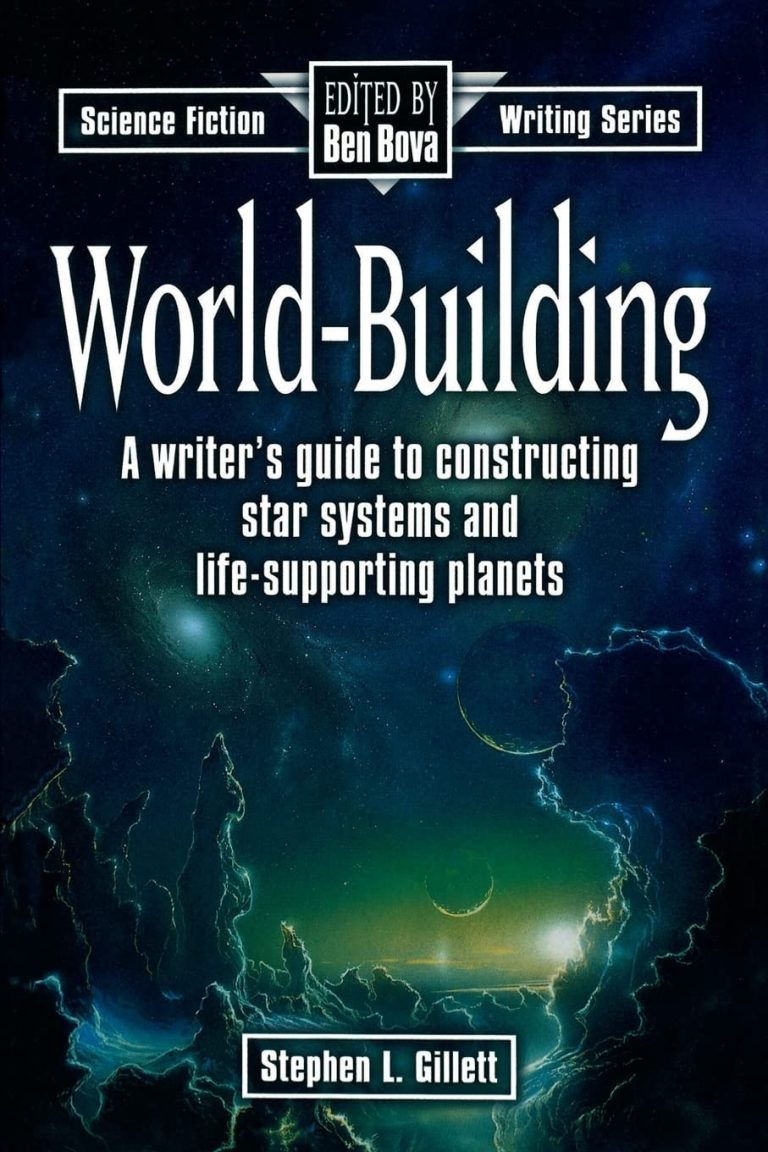
Other Books in the Science Fiction Writing Series Series
Other Books From – Being an Author




About the author