TL;DR
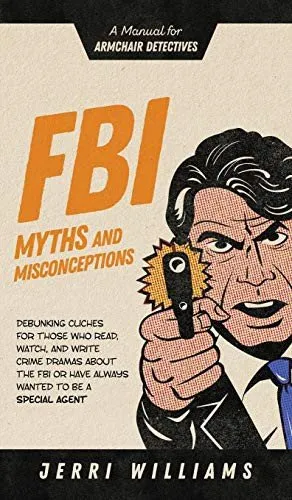
9/10. A retired special agent with twenty-six years in the Bureau takes the twenty clichés about the FBI in books, television, and film and corrects each one. Written explicitly for writers, and the most useful reference of its kind I’ve found.
Jerri Williams spent twenty-six years with the FBI, working major economic fraud and corruption, and served as a media representative for the Bureau. That means she spent years watching journalists and novelists get it wrong and being unable to say much about it. She now hosts a podcast interviewing retired agents about their cases, and this book grew out of that. It’s self-published through her own imprint. I mention that only because the production is better than most self-published nonfiction and the sourcing is careful. Each chapter takes one cliché, explains how the thing works, supports it with material from the Bureau’s own public information and with quotes from retired agents, and then reviews a novel, film, or series that got it right or wrong.
Why is FBI Myths and Misconceptions organized around errors?
Because a book explaining the FBI’s structure is hard to apply and a book that says here’s the thing you were about to write and here’s why it’s wrong is immediately usable.
Most procedural references are organized the way the organization is organized: divisions, jurisdictions, career paths. A novelist reading that has to work out which parts touch their plot, and mostly doesn’t bother.
Williams inverts it. The chapters are the mistakes, so a writer can go straight to the one they’re about to make. That’s a real structural insight about reference books and I wish more of them worked this way.
Watch: FBI Myths and Misconceptions by Jerri Williams | Audiobook, Richard Brown
What is the FBI profiler problem?
The correction most writers need, and the one with the largest effect on a plot. The popular image, of a profiler who chases serial killers in the field, interviews suspects, has visions of the crime, and confronts the offender at the climax, is close to entirely fictional. It comes from Thomas Harris and everything downstream of him, and writers keep copying it because it’s easy. It shows.
The reality is analytical and mostly desk-based. The behavioral analysis units provide assessments to investigators who requested them. They don’t run the case, don’t make arrests, and are frequently working from files instead of crime scenes. They’re a supporting resource.
That difference matters because a plot built on the fictional version needs a character who doesn’t exist, and readers who know better will stop. It also closes off a more interesting story. That’s the friction between an analyst offering a probability and an agent who has to decide something.
What myths about the FBI does FBI Myths and Misconceptions correct?
Jurisdiction, which almost every crime novel gets wrong. The agent who strolls in and seizes the case from the local cops is the cliché that rings falsest, because the law doesn’t work that way. The FBI doesn’t simply take a case from local police because it’s serious. There’s to be a federal violation, and the relationship with local departments is negotiated instead of commanded.
Recording and surveillance, where the legal requirements are considerably more restrictive than fiction suggests and the paperwork is serious. A wiretap in a novel takes a phone call; a real wiretap takes an application, an affidavit, and a judge.
Who the Bureau hires. That isn’t primarily criminology graduates. Accountants, lawyers, linguists, computer scientists, and people with military service are heavily represented, and the entry requirements and age limits are specific and public.
And the smaller things that give a manuscript away: what agents call each other, what they wear, whether they work alone, how they identify themselves, and what happens to a case after an arrest.
Why do the fiction reviews in FBI Myths and Misconceptions work?
They’re the best structural decision in the book. Ending each chapter by assessing a real novel, film, or series against the fact means the reader sees the correction applied. An abstract note about jurisdiction is easy to forget. Watching a specific well-known story get marked against it’s not.
It also keeps the tone generous. Williams is a fan of the genre pointing out where the seams show, and she’s frequently complimentary about work that got something right.
That matters for a reference aimed at writers. A hostile version of this book would be correct and unread.
Who should own FBI Myths and Misconceptions?
Anybody writing crime fiction with federal agents in it, and I’d say buy it before writing another chapter.
It’s short and specific and written by somebody who did the job and understands why writers make the errors they do. That’s the combination that makes a reference usable instead of merely accurate. It’s also worth reading for anybody curious about the Bureau, because the corrections are interesting on their own terms and the retired-agent quotes are the kind of material that doesn’t usually reach print.
Verdict
If you write crime fiction featuring federal agents, buy it before you write another chapter. Short, specific, and written by somebody who did the job for twenty-six years.
Most reference books are accurate and dull enough to go unread. This one is accurate and a pleasure, the fiction reviews make the corrections stick, and I’d call it indispensable for its audience.
Explore further
The Writing Hub: craft, technique, and the books worth learning from.
Frequently Asked Questions
Other Books From – Writing Reference