TL;DR
7/10. Claudius as emperor. That’s a different problem from Claudius as survivor. The device that carried the first book, a narrator nobody bothers to watch, stops being available the moment everybody is watching him. Slower, stranger, and more revealing about what the job cost.
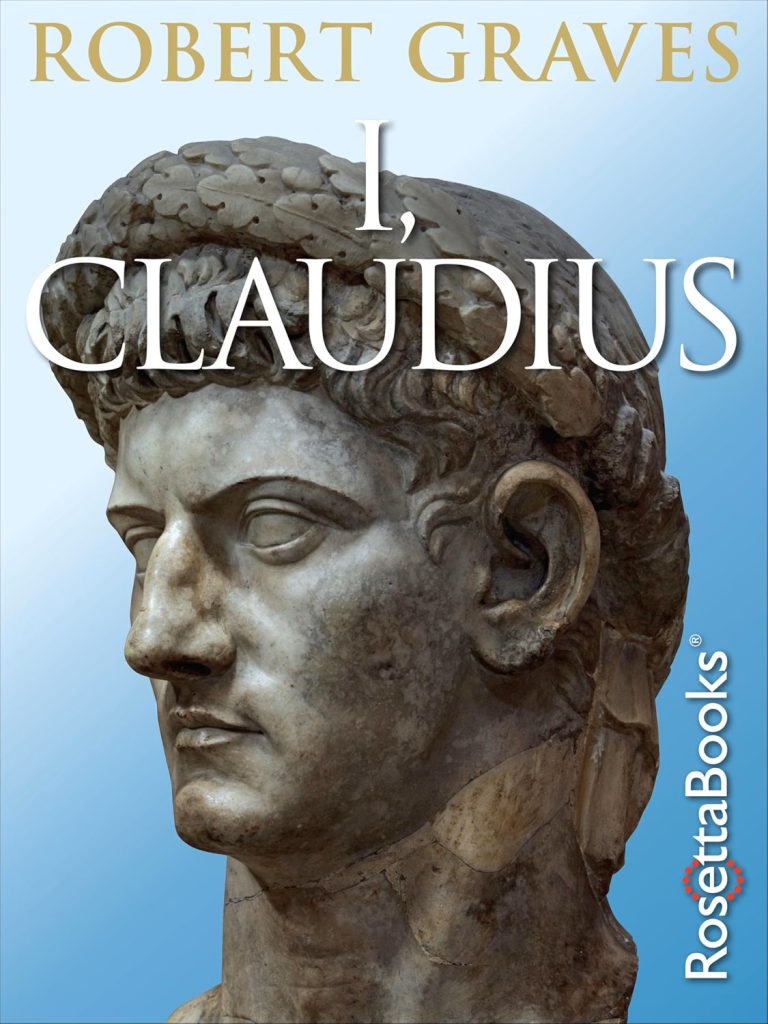
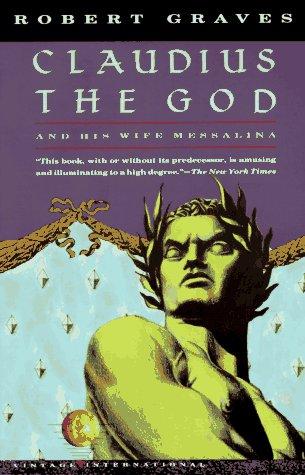
Picking up where the first book ends, Graves takes Claudius from accidental emperor through thirteen years of rule: the invasion of Britain, the administrative reforms, the freedmen who ran the machinery of government, the long digression on Herod Agrippa, and the marriage to Messalina that gave the book its subtitle and its reputation.
It’s the longer of the two and the less propulsive, and both of those follow from the same structural fact.
Anyone who comes to this wanting the first book again will be frustrated, and I understand the frustration. Once you stop asking for the clever fool behind the curtain, there’s a sadder and more interesting novel here about what power does to a decent, bookish man. I still think it’s slower than it needed to be.
What changes when the fool becomes emperor?
The first novel works because nobody considers Claudius worth lying to carefully. He’s present and irrelevant, so he sees everything. Make him emperor and that advantage disappears entirely.
Now every person in the room is managing him. The narrator who could report the court honestly is the thing the court now organizes itself around, and Graves can’t get the same information to the page by the same means.
He knows this and doesn’t pretend otherwise. What he substitutes is administrative detail, the daily grind of governing, and it’s interesting if you accept that the book has changed shape. Claudius the historian becomes Claudius the bureaucrat, and the prose flattens with him.
The compensation is that we now see the cost. The first book is about surviving by being underestimated. This one is about what happens to a man when the protection is removed and he discovers he’s no other skills.
That cost is what keeps me turning pages. It’s painful to watch a man lose the one advantage he ever had, and Graves doesn’t soften it. I wish he’d found a livelier way to show the bureaucrat’s grind, because the flattening prose makes the reader pay for the insight.
Watch: "I, Claudius" (2010) Claudius survives Rome’s madness in BBC’s haunted historical drama., JR The Old Radio Cat
What about Britain and Herod?
The British invasion sequence is the most conventional writing in either book, and it’s the part most readers find slow. Graves is doing military history and he’s competent at it without being interested, and it shows.
My attention wandered in the Britain chapters, and I don’t feel guilty about it. When an author is visibly bored with his material, the reader has every right to be bored too. The Herod Agrippa material is stranger and better. Herod is Claudius’s friend from childhood, a charming operator who moves between Rome and Judea, and the long account of his career is close to a second novel inside the first. It’s also where Graves does his most interesting thinking about power. Herod is everything Claudius isn’t, meaning quick, plausible, and ambitious, and the way that friendship ends is the emotional center of the book for me, more than Messalina.
Herod is the reason I’d tell anyone to push through the slow stretches. He’s charming and dangerous in equal measure, and the end of that friendship upset me more than anything Messalina does.
The Messalina problem
Her material dominates the back half and it’s the part most readers remember. It’s also the part where Graves is least reliable, because he’s working from Suetonius and Tacitus, who were writing under later regimes with reasons to make the Claudian court look ridiculous.
The stories about Messalina, including the ones involving a competition and a public marriage conducted while Claudius was out of the city, come from sources that were hostile and that had every reason to exaggerate. Whether the marriage happened at all in the form described is contested.
What the book does well with the material is the blindness. Claudius, who spent fifty years reading everybody accurately because nobody thought he was reading them, can’t see what’s happening in his own household. That’s a real observation about power and it’s the strongest thing in the novel.
I’d trust the Messalina chapters about as far as I’d trust any account a regime writes about the one before it, and Graves takes the hostile sources at face value more often than I’d like. I respect how he handles the blindness. A man who read everybody for fifty years going blind in his own house is a tragedy I believe.
Why the ending is better than the first book’s
The first novel ends on a joke. The stammering fool is dragged out from behind a curtain and made emperor by soldiers who can’t find anybody else. That’s a perfect place to stop.
This one ends with a man who has decided something about the succession and about Rome, and who understands exactly what he’s doing and why. It’s a considered ending instead of an ironic one, and it’s more affecting because the whole book has been showing you the man’s judgment eroding under the weight of the job. I wouldn’t read this one first and I wouldn’t skip it. The pair works as a single arc, and the arc only completes here.
Verdict
The lesser of the pair and worth reading anyway. Read the first for the device and this one for the consequence. That’s a man who survived by being underestimated and then loses the only skill he’d when everybody starts paying attention.
Slower going, more digressive, and the ending has more force than the first book’s does. I’ll take this uneven, sadder second half over a tidy repeat of the first book any day. It frustrates me that the Britain chapters sit where they do, because they’re positioned to lose a reader right before the part that makes the whole pair worth the time.
Explore further
The Writing Hub: craft, technique, and the books worth learning from.