TL;DR
8/10. Takes on the single most important and seemingly least teachable skill in fiction, evoking emotion in the reader, and treats it as a learnable, sophisticated craft. Its central insight makes it a standout craft book. Moving the reader is different from describing feeling, and it often demands restraint and implication. What holds it back is being pitched at developing instead of beginning writers.
Writers argue endlessly about showing versus telling, and plotting versus pantsing.
On one point there’s no dispute. If you want readers to love your fiction, you have to make them feel. The Emotional Craft of Fiction by Donald Maass takes on exactly that, the deliberate craft of evoking emotion in readers. That’s the single most important and least teachable-seeming skill in fiction.
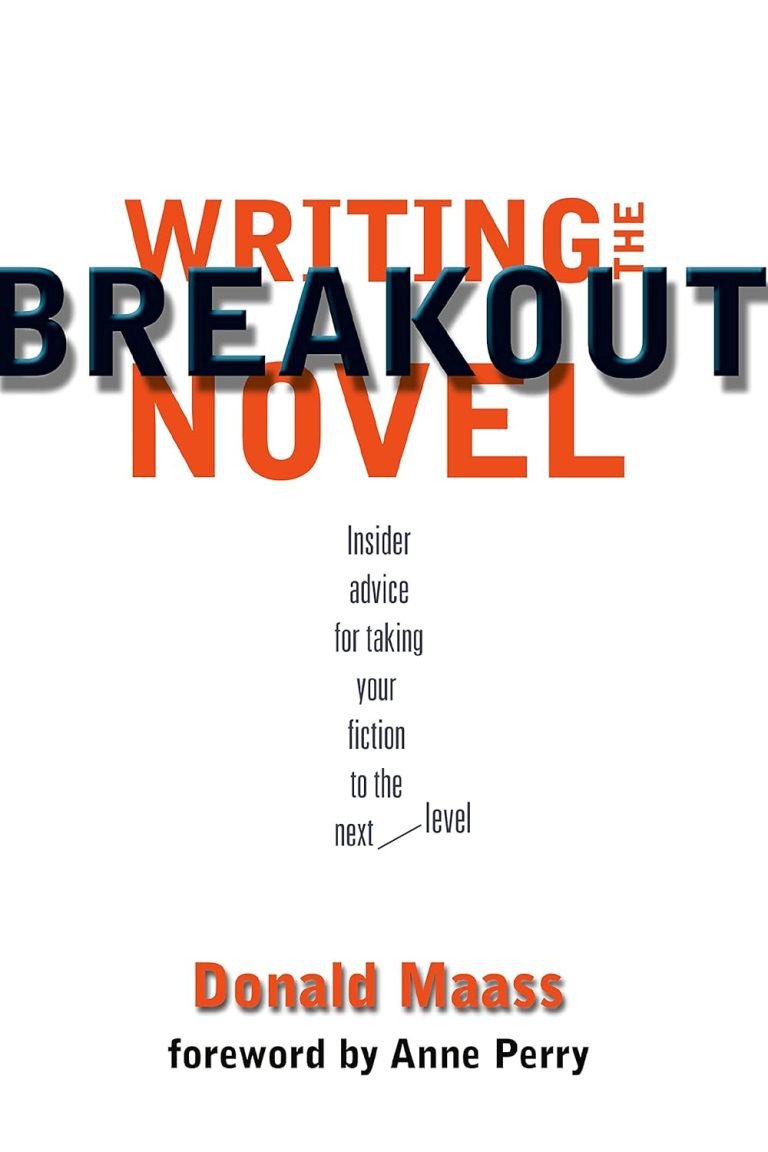
Maass, a respected literary agent and the author of Writing the Breakout Novel, approaches it as a learnable technique instead of a mystery, and the result is one of the more valuable and distinctive craft books available. It deserves a high rating for tackling the hardest, most essential thing well.
Fiction that tells me how a character feels and expects me to feel it too never moves me. Most writers pour their energy into describing emotion on the page, and Maass argues the effort belongs in the reader’s chest. I agree with him completely, and I think it’s the most useful reframing a novelist can get.
Maass’s central reframing is the key. The goal is to make the reader feel, instead of to convey what the characters feel. Those are different crafts, and they often require opposite techniques.
The craft of reader emotion
The book’s great strength is treating emotional impact as a deliberate, learnable craft instead of something that just happens when a writer feels deeply. Maass argues, persuasively, that the writer’s job is to manage the reader’s emotional experience, and he offers concrete techniques for doing it, going well beyond the usual advice.
His most valuable insight is that describing a character’s emotions often fails to move the reader. The deeper craft is evoking feeling indirectly, through what’s left unsaid, through the reader’s own inference, through the gap between what a character feels and what they show. This is sophisticated, practical guidance on the thing most craft books treat as unteachable.
The gap between what a character feels and what they show moves me most as a reader. A character who holds it together at a funeral moves me more than one who sobs through three pages, and Maass explains why in terms a writer can use.
Keep reading
Emotional writing: making readers feel, not just understand: Maass’s craft of reader emotion, in the wider work of writing that moves people.
Beyond the obvious techniques
What distinguishes the book is its sophistication about how emotion works on a reader. Maass moves past the simple show-don’t-tell formula to a subtler understanding: that the most powerful emotional effects often come not from depicting feeling directly but from creating the conditions for the reader to supply it themselves, that restraint, implication, and the reader’s active participation can move an audience more than any amount of described weeping.
He gives writers concrete tools for provoking that response, the kind of advanced, counterintuitive craft that separates merely competent fiction from the kind that affects people. It’s a graduate-level treatment of the skill that matters most.
This is the book I’d give a writer whose drafts are full of tears and clenched fists and still leave readers unmoved. More described emotion is the instinct, and it’s the wrong one. Restraint takes nerve, and Maass hands writers the nerve along with the technique.
Keep reading
Showing, telling, and the deeper craft of emotional effect: Maass’s move beyond the formula, in the craft of moving a reader.
What are the weaknesses of The Emotional Craft of Fiction?
The caveats are modest. The book is advanced, aimed at writers ready to work on sophisticated emotional technique instead of beginners still mastering the basics, so a very new writer may find it presumes a foundation they’re still building; it rewards a certain level of development. Its approach is also more conceptual and technique-oriented than formula-driven. That suits writers comfortable with nuance and may frustrate those wanting simple rules, the subject doesn’t reduce to a checklist.
Writers who want a checklist for emotion are asking for something that can’t exist, and Maass deserves credit for refusing to fake one. A formula would have been easier to sell and would have taught a lot less.
And emotional craft, however well taught, must finally be practiced and felt as well as understood. These are the natural characteristics of an advanced craft book instead of flaws.
Is The Emotional Craft of Fiction worth reading?
It’s one of the more valuable and distinctive craft books available, taking on the single most important and seemingly least teachable skill in fiction, evoking emotion in the reader, and treating it as a learnable, sophisticated craft. Maass’s central insight, that moving the reader differs from describing feeling and often demands restraint and implication, is the kind of advanced, practical wisdom that can meaningfully change how a writer works.
It loses only a little for being aimed at developing writers and for resisting simple formulas. For any writer serious about making readers feel, I think it’s the more important of Maass’s two craft books, and it’s the one I’d reach for when a draft is technically clean and emotionally dead.
Explore the hub
The Psychology of Writing Hub: emotion, reader response, and the craft of feeling, gathered in one place.
Frequently Asked Questions
Other Books From – Creative Writing



About the author