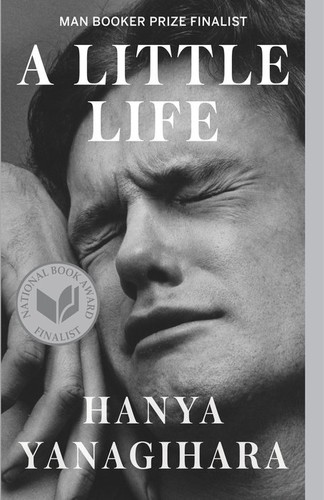
TL;DR
8/10. A powerful, polarizing literary novel about a damaged man whose traumatic past never releases him. Its craft achievement is total emotional immersion and a daring refusal of the healing narrative; its controversy is whether that relentlessness is deep or manipulative. Major and punishing in equal measure. Note: contains sustained, graphic depictions of childhood abuse and self-harm.
Some books are easy to admire and impossible to recommend without warning, and A Little Life by Hanya Yanagihara is the clearest example I know. It’s a major literary novel of enormous emotional power and real craft. It’s also among the most punishing reading experiences in contemporary fiction, built on a relentless depiction of abuse, self-harm, and suffering that’s divided serious readers as sharply as any novel of the last decade. Both of those things are true at once, and an honest review has to hold them together.
A content note before anything else: this novel contains sustained, graphic depictions of childhood sexual abuse, self-harm, and trauma. It’s not a book to approach lightly, and readers for whom that material is dangerous should take the warning seriously. The rest of this review discusses the book’s construction and reception and leaves out its specifics.
What is A Little Life?
It opens as what looks like a coming-of-age story.
Four college friends, Jude, Willem, JB, and Malcolm, making their way in New York. Then it narrows relentlessly onto Jude St. Francis, a brilliant, damaged man whose catastrophic childhood haunts every part of his adult life. Over more than seven hundred pages, Yanagihara traces the friendships, careers, and love that surround Jude against the immovable fact of his trauma, and the central, deliberate question of the book is whether some wounds are simply too deep to heal.
The craft achievement
Judged as craft, the book’s power is undeniable and worth studying. Yanagihara’s great achievement is sustained emotional immersion. She makes the reader inhabit Jude’s interior so completely, over so many pages, that his pain becomes the reader’s own. That’s why the book is so hard to bear. She renders the friendship at the center with patience across decades. It’s among the most fully realized depictions of male friendship in recent fiction, and she draws the supporting characters with real depth.
The prose is controlled, and she builds the structure, moving between timelines to reveal Jude’s past gradually, to maximize the reader’s dawning understanding of what he carries.
Keep reading
A guide to character development: 8 steps to success: Yanagihara’s deep interiority is the craft lesson here. How total immersion in a character is built.
The daring refusal at its heart
The most interesting craft choice, and the source of much of the controversy, is Yanagihara’s deliberate refusal of the redemption arc. She’s said outright that she wanted a protagonist who never gets better, who begins seeming healthy and ends sick, against every convention of the recovery narrative we expect from trauma fiction. Most stories of suffering offer the reader the consolation of healing; this one withholds it on purpose, insisting that some damage is permanent.
For a writer, this is a bold and instructive example of breaking an ingrained reader expectation as a deliberate thematic statement, the same kind of move that powers the best subversive fiction, turned to devastating instead of thrilling effect.
Keep reading
Theme in fiction: making a story mean something: the refusal of healing as a thematic choice. How a structural decision becomes the book’s argument.
The real controversy
Serious critics have made a serious case against the book, and I have to state it. The charge, which reviewers like Parul Sehgal level most sharply, is that the relentless accumulation of suffering crosses from emotional truth into manipulation, that the book becomes, in one harsh phrase, a machine for producing misery it invites the reader to wallow in, and that the trauma flattens Jude into a vehicle for pain instead of a full person.
The accusation of trauma porn isn’t unreasonable, and where you land on it is a matter of judgment: some readers find the immersion deep and necessary, others find it exploitative and unearned. That the debate is unresolved among thoughtful readers is itself part of the book’s character.
Is A Little Life worth reading?
It’s a powerful, ambitious, accomplished novel that deserves its acclaim and its notoriety in equal measure, and a real education in emotional immersion and the deliberate subversion of the healing narrative. It’s also relentless, punishing, and manipulative, and not a book everyone should read, both for the content and for the open question of whether its suffering is meaningful or merely overwhelming. I rate it high for craft and ambition while taking seriously the critics who find it excessive.
Approach with the content warning firmly in mind, and know that admiration and discomfort are the intended, inseparable response.
Explore the hub
The Entertainment Hub: ambitious literary fiction and the debates around it, gathered in one place.
Frequently Asked Questions
Other Books From – Fiction




About the author