TL;DR
9/10. A singular, lasting masterpiece. A Gothic novel of great intensity, psychological depth, and sophisticated craft, built on an unusual nested structure and a fusion of wild landscape with wilder passion. It gets a high rating for its power and construction. It falls just short of the top, and not as a flaw. The book is deliberately dark, populated by intentionally unlikable characters, and emphatically not the love story it gets sold as.
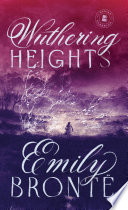
Wuthering Heights by Emily Brontë is among the most powerful and most polarizing novels in the English language, a dark, violent, passionate Gothic masterpiece that’s gripped and disturbed readers since its publication in 1847. The story of the orphan Heathcliff, taken into the Earnshaw family at Wuthering Heights, and his consuming, destructive bond with Catherine, unfolds across two generations on the wild Yorkshire moors in a tale of obsession, revenge, and cruelty.
Recognized as a landmark of literature for its raw intensity, psychological depth, and sophisticated structure, it’s also divisive, because it’s no gentle love story but something far darker. It gets a high rating as a singular, lasting work, with the real caveat that its bleakness and unlikable characters aren’t for everyone.
Adjust your expectations. Despite the modern marketing as a great romance, this is a harsh and often brutal book about obsession and revenge. Readers who arrive expecting a love story are routinely shocked.
A Gothic masterpiece
The book’s power and its status rest on its extraordinary intensity and originality.
Brontë created something unlike anything around it, a novel of raw, elemental passion and cruelty set against the wild moors, with a psychological depth and a willingness to look into darkness that scandalized Victorian readers and still unsettles modern ones. The emotional force is undeniable. The obsessive bond between Heathcliff and Catherine. The cycles of revenge it sets off. The atmosphere of brooding violence. Together they make a reading experience of rare power.
For a reader willing to enter its harsh, inverted world on its own terms, it gives an intensity and a confrontation with the extremes of human passion that few novels match, and that’s why it’s endured as a landmark despite, or because of, its darkness.
Explore the hub
The Entertainment Hub: literary classics and the books that endure, gathered in one place.
Watch: Wuthering Heights by Emily Brontë | Full Audiobook, Gates of Imagination
Structure and craft
Beyond its emotional power, the novel is an unusual feat of construction worth a writer’s study. Brontë built it on a sophisticated nested narrative structure, the outsider Lockwood recounting the story as told to him by the servant Nelly Dean, a frame-within-a-frame that creates distance, unreliability, and complexity, and she organized the whole around interlocking motifs that bind setting, character, and theme into a unified design. The Yorkshire moors aren’t mere backdrop but an active force, mirroring and shaping the characters’ wild passions.
For a writer, the novel is a lesson in ambitious structure, in using narrative frames and an unreliable lens, and in fusing landscape, character, and theme so completely that setting becomes inseparable from meaning. The craft beneath the passion is formidable.
Keep reading
Narrative frames and the unreliable lens in fiction: Brontë’s sophisticated nested structure, in the craft of point of view and narration.
What are the weaknesses of Wuthering Heights?
The caveats are real and account for the book’s divisiveness.
Its characters are deliberately, relentlessly unlikable, Heathcliff and Catherine are cruel, selfish, and destructive, by design instead of by failure, and a reader who needs sympathetic characters to root for will struggle, since the novel offers passion and intensity instead of warmth or redemption. Its tone is unremittingly dark, full of cruelty, obsession, and misery, with little relief. Some readers find it overwhelming.
And the modern rebranding of it as the greatest love story misleads badly: this is a book about destructive obsession, not romance, and readers expecting tenderness are shocked. These aren’t flaws but the nature of what Brontë wrote, a confrontation with the shocking that the book demands the reader accept.
Is Wuthering Heights worth reading?
It’s a singular, lasting masterpiece of English literature, a Gothic novel of extraordinary intensity, psychological depth, and sophisticated craft, built on an unusual nested structure and a fusion of wild landscape with wilder passion. It gets a high rating for its undeniable power and its formidable construction, and is essential reading and a model for writers in structure, narration, and atmosphere.
It falls just short of the very top not as a flaw but because of what it deliberately is: relentlessly dark, populated by intentionally cruel and unlikable characters, and emphatically not the love story it’s often sold as. That makes it divisive and not for every reader. Met on its own harsh terms instead of as romance, it’s among the most powerful novels ever written. Essential, for the reader prepared for its darkness.
Explore the hub
The Writing Hub: structure, narration, and the craft behind the classics, gathered in one place.
Frequently Asked Questions
Other Books From – Fiction



About the author