TL;DR
9/10. The closest thing we have to a recording of a masterpiece being built, doubtfully and over decades. Not a craft book but correspondence, it shows Tolkien stuck, rewriting, and unsure it would work, a tonic for any writer who thinks the greats wrote with serene confidence. Mine it with the index open.
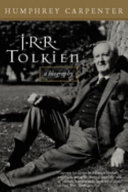
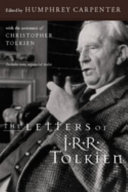
If you want to watch a great novel get built, slowly and painfully and over decades, this is the closest thing we have to a recording. The Letters of J.R.R. Tolkien, edited by his official biographer Humphrey Carpenter with help from Christopher Tolkien, collects hundreds of letters spanning Tolkien’s adult life, and a surprising number of them are a working writer talking, in real time, about the problems of making a book.
It’s correspondence, to publishers, family, friends, and fans, ranging across his faith, his academic work, his irritations, and his grief. But threaded through it is the single most detailed first-person account we have of how an author wrestled an enormous, difficult book into existence, and I’d trade a shelf of writing manuals for that thread. It belongs on a writer’s shelf, not only a Tolkien fan’s.
The writing process, undisguised
What the letters reveal is bracing for any writer who imagines the greats worked with serene confidence. Tolkien wrote The Lord of the Rings over more than a decade, in fits and starts, with long fallow stretches and constant revision. He doubted it. He got stuck. He rewrote chapters many times and scrapped large sections that didn’t meet his standard. He worried it was unpublishable and too long and too strange. Reading him struggle is a tonic, because it dismantles the myth that a masterpiece arrives whole.
It was assembled, painfully, by a man who often didn’t know if it was working. That’s encouraging. Every beginner who quits because the first draft feels wrong should read these pages and stop blaming a lack of talent.
There’s a famous letter to the publisher Milton Waldman in which Tolkien lays out the entire scope of his mythology and his intentions, and it doubles as a model of an author understanding his own project at the deepest level. Other letters show him answering readers’ questions with such precision about Middle-earth’s history that you realize the depth wasn’t improvised; he knew the answers because he’d built the world that thoroughly.
Those reader replies are the best material in the book, and they make a lot of modern world-builders look lazy. A fan would ask about an apparent inconsistency, a detail of lineage, the fate of a minor character, the meaning of a name, and Tolkien would answer at length, often working out the implications in real time and occasionally discovering a problem he then had to solve. You’re watching an author stress-test his own world against an outside reader, and either confirm that it holds or patch it without comment.
For a writer, this is a model of what it takes to make an invented world withstand scrutiny: not a story bible written once, but a living, internally consistent understanding the author can reason from on demand. The world held up to decades of fan interrogation because Tolkien had thought it through, and the letters are the proof of that thinking.
Keep reading
Why do writers write? The real reasons behind the work: Tolkien’s letters are a decades-long answer to this question, doubt and obsession and all.
Watch: Analyzing The Letters of J.R.R. Tolkien, Jess of the Shire
The lesson about depth, in his own words
One line, written to his son Christopher, is worth the price of the book for a writer: that the whole long work was an attempt to create a world in which a form of language agreeable to his personal aesthetic might seem real. That single sentence explains the entire enterprise. The story existed to give his invented languages a place to live. For any writer wondering where deep world-building comes from, the answer here is that it comes from lifelong obsession.
Keep reading
Self-editing: how to revise your own work without losing your mind: Tolkien revised The Lord of the Rings for over a decade. What relentless revision looks like.
The caveats
It’s a thick book and not all of it serves the writer. Long stretches concern his academic disputes, family logistics, and theological reflections that will interest biographers more than novelists. The academic squabbles bore me stiff, so you read it with a hand on the index, skipping toward the letters about the work. And because it’s correspondence instead of a designed text, the insights arrive scattered instead of organized, so you mine it instead of study it.
Is The Letters of J.R.R. Tolkien worth reading?
For a writer, it’s among the most valuable Tolkien books because it’s the least polished. There’s no performance here, just a working author thinking on paper across forty years. That rawness is what makes it so damn valuable. The portrait of how a masterpiece gets made, doubtfully, slowly, through endless revision, is worth more than most books that set out to teach the writing life directly. I’d put it near the top of anything written about Tolkien, as long as you mine the letters about the work and leave the rest to the biographers.
Explore the hub
The Writing Hub: the writing life, craft, and process, gathered in one place.
Frequently Asked Questions
- The Letters of J.R.R. Tolkien revised and expanded edition, The Tolkien Society
- The letters of J.R.R. Tolkien, a selection, edited by Humphrey Carpenter, with the assistance of Christopher Tolkien, Williamsburg Regional Library
Other Books From – Biography and Memoir