TL;DR
6/10. Illuminates the under-portrayed profession of forensic nursing through authentic case studies and a look inside a medical examiner’s office, useful grounding for crime writers depicting these experts accurately. Its 2004 science is dated in a fast-moving field and should be verified, and it’s a narrow informative account instead of a craft guide. A capable niche reference.
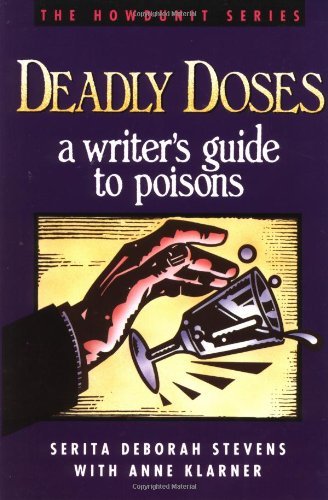
Forensic Nurse by Serita Stevens occupies an unusual and useful niche on the crime-writer’s reference shelf: it documents the real profession of forensic nursing, the specialists who work at the intersection of medicine and criminal investigation, through case studies and insight into how a medical examiner’s office works. Part true-crime-adjacent nonfiction, part writer’s resource, it gives crime and mystery writers an authentic look at a role that fiction rarely portrays accurately. Reviewed as the specialized reference and account it is, it serves a real purpose, with the now-familiar caveats.
As with all such references, the lens here’s craft: the value to a writer is authentic detail about a world they want to depict convincingly, and this review treats it as that tool, focused on what it gives a storyteller.
An under-portrayed profession
The book’s distinctive value is illuminating forensic nursing, a real and specialized field that combines nursing with the gathering and interpretation of medico-legal evidence, and that most fiction either ignores or gets wrong. Through case studies and an inside view of how a medical examiner’s office functions, Stevens gives a writer accurate grounding in what these professionals do, how they handle evidence, what they can learn from a body, and how the medical and legal worlds intersect at a death investigation.
For a crime writer wanting to feature or accurately mention this kind of expert, the book supplies detail not easily found elsewhere. That alone justifies its place on a crime writer’s shelf.
Keep reading
Writing a mystery that plays fair and still surprises: the authentic procedural grounding this provides, in the craft of the believable mystery.
Authenticity through real cases
The case-study approach is the book’s strongest feature for a writer, because real cases show what the work involves in a way abstract description can’t, the actual problems these professionals face, the way evidence is read, the intersection of clinical detail and investigative logic. A writer absorbs both facts and the feel of the profession, and that lets a fictional portrayal ring true. It’s the same principle that makes the best crime references valuable: going to authentic sources instead of copying the secondhand, dramatized version that fiction usually recycles.
Keep reading
Believable fiction: the research that keeps readers from bailing: real cases over dramatized versions, the heart of credible procedural detail.
What are the weaknesses of Forensic Nurse?
The standard limits apply. The book dates from 2004, and forensic science and investigative practice have advanced since, so procedural and technical detail should be checked against current sources, especially in a field where forensic capability moves quickly. It’s also a narrow reference, valuable to the writer working with this kind of character or setting and irrelevant to others, and it’s more an informative account of a profession than a how-to craft guide.
For its audience, the niche it fills is real and not well served elsewhere; for everyone else, it’s simply outside their needs.
Is Forensic Nurse worth reading?
It’s a usefully specialized reference that illuminates an under-portrayed profession through authentic case studies, valuable for the crime writer who wants to depict forensic nursing or a medical examiner’s office with real accuracy.
It loses ground for its 2004 vintage, which dates some specifics in a fast-moving field, and for the inherent narrowness of a single-profession reference. Treat it as authentic grounding and verify the specifics against current practice. If you need exactly this, it’s useful. If you don’t, it’s dead weight. A capable niche reference, and no more than that.
Explore the hub
The Writing Hub: crime writing, research, and the rest of the craft, gathered in one place.
Frequently Asked Questions
Other Books From – Biography and Memoir


About the author