Latest
Human-Written Book Labels Are Gatekeeping With a FeeThe Enshittification of Microsoft Office: Why I Switched to a Free CloneGlobal Encryption Day: The Padlock Every Writer Depends OnWriting Your Worst Moments in a Memoir: Show the Evidence, Skip the VerdictHow to Register a Copyright for Your Book (and What Doesn’t Count)Your AI Chats Aren’t Private: Deleted ChatGPT Logs in CourtI Joined the Science Fiction Book Club 30 TimesThe Board Seat Scam: A 419 Letter in a Business SuitCitations in a Memoir: Endnotes, Footnotes and Fair UseThe Stores That Still Care: Publix, Walmart, Aldi, Best Buy and the RestThe Grocery Store Plan: Why Every Store Starts With FlowersWinnie-the-Pooh’s 100th Birthday: A Century in the Hundred Acre WoodFree With a Fill-Up: How America Stopped Giving Things AwayAI’s Black Box Is Getting a Window. Somebody Still Has to Look Through It“It Stars C. Thomas Howell. No.” Why AI Gets Stuck in a LoopShould You Query or Self-Publish Your Memoir If You’re Not Famous?Judge the Writing, Not the Tool: What the AI Pile-Ons Get WrongThiago Ferreira: Thinkers, Not DoersYana Semova: Let AI Do the AdminLisa Hamilton-Smith: Unstoppable, AI AssistedInternational Literacy Day: The Readers Books LoseHarper Lee Day: The Draft Her Editor Saw ThroughHarry Potter’s Birthday: The Book Twelve Publishers MissedJack Kerouac Day: The Scroll and the Last AddressTell a Fairy Tale Day: The Stories Everybody EditedKurt Vonnegut Day: The Book That Took Twenty YearsSuperman Day: The $130 Contract Behind the CapeRoald Dahl Day: Six Pencils and a Grudge Against Grown-UpsMaya Angelou Day: The Dare That Became a MemoirGene Roddenberry Day: The Pilot Who Pitched the StarsRobert E. Howard Day: The Texan Who Built ConanElmore Leonard Day: Leave Out the Part Readers SkipEncourage a Young Writer Day: The Adult Who Read the PagesBack to the Future Day: The Script Where Everything Pays OffStephen King Day: The Daily Two ThousandZora Neale Hurston Day: The Ear She TrainedFyodor Dostoevsky Day: The Novels Written Against the ClockIan Fleming Day: Two Thousand Words a MorningEmily Dickinson Day: The Poems in the DrawerInternational Translation Day: The Invisible AuthorsAlice’s Day: The Story Told on a Rowing BoatNational Library Lovers Month: The Building a Town Pays ForF. Scott Fitzgerald Day: The Masterpiece That FloppedNational Podcast Day: The Interview Is the Raw MaterialRaymond Chandler Day: The Novelist Who Started at FiftyJohn Steinbeck Day: The Reporter Who Wrote the NovelElmore Leonard’s 10 Rules of Writing, and Which Ones I BreakShould Your Novel Have a Prologue? When a Cold Open Earns Its Place“People Who Use AI Deserve to Be Castrated”: When the Sentence Outruns the CrimeHow Famous Memoirs Were Really Written: What the Collaborators Did

Category: Writing (Page 72)

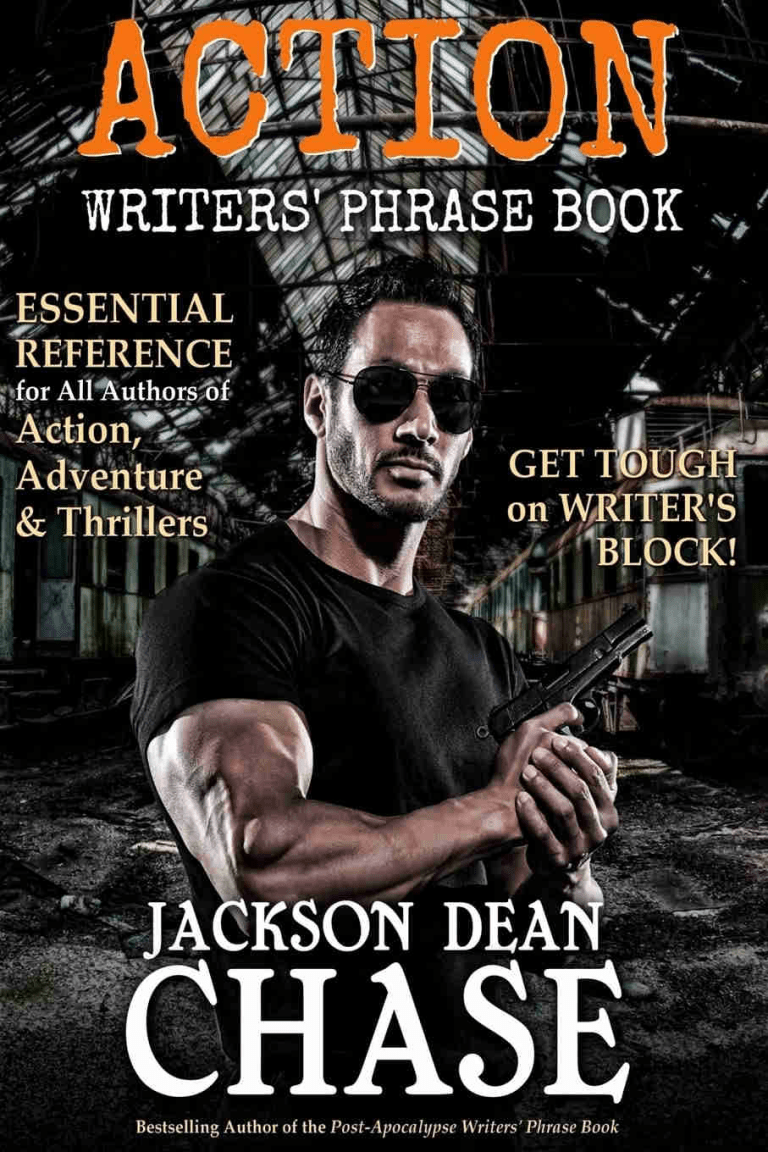
Action Writers' Phrase BookWriting

Action Writers’ Phrase Book

A bank of over two thousand phrases for weapons, wounds, and combat, handy when an action scene stalls. The trouble is the same as every phrase book: ready-made language is raw material that tends toward generic prose, and it teaches…
READ MORE »

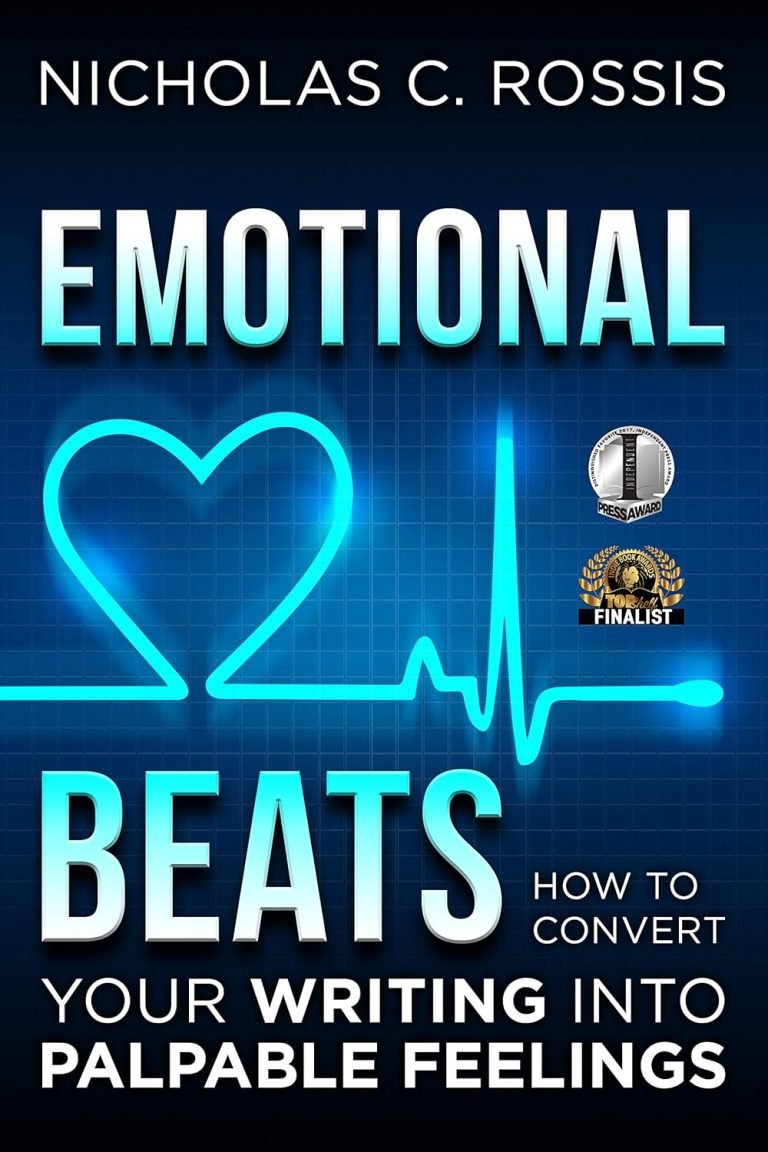
How to Easily Convert your Writing into Palpable FeelingsWriting

Emotional Beats

Show-don't-tell is the most repeated and least explained advice in fiction, and Rossis makes it a method for emotion: show the bodily and behavioral signs instead of naming the feeling. A handy catalogue of cues, sound and helpful, with the…

READ MORE »

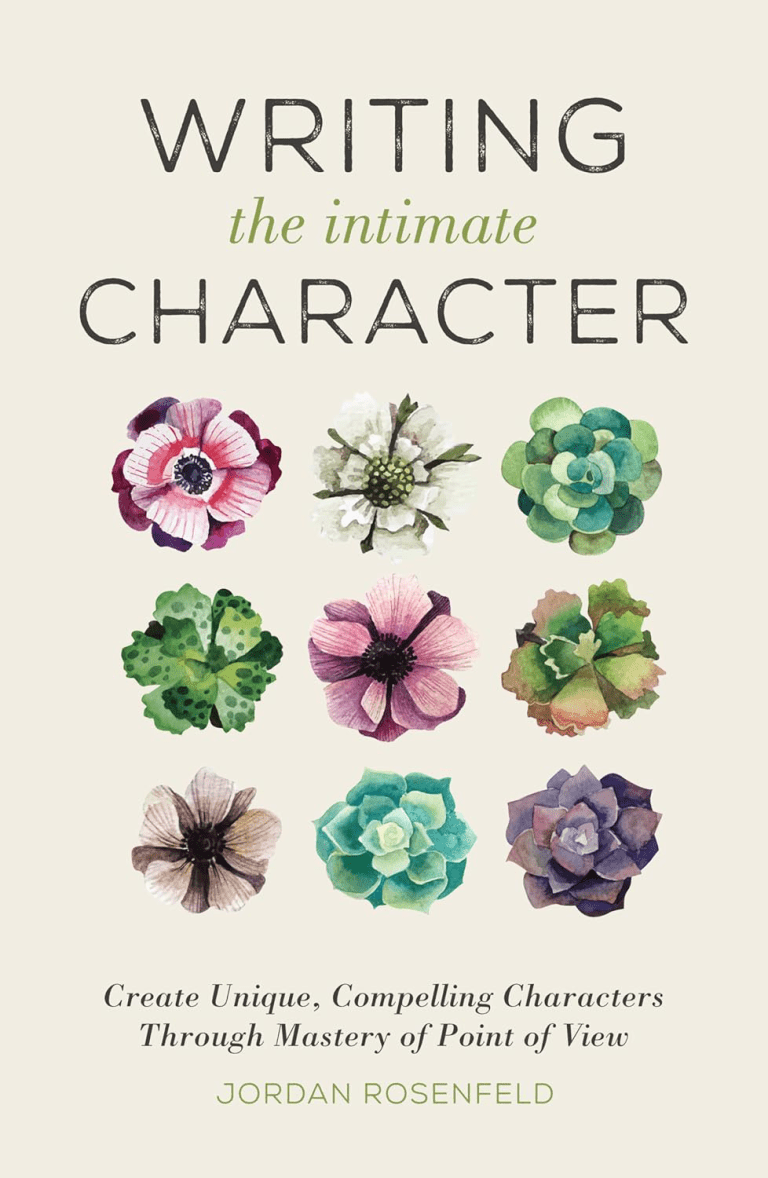
Writing the Intimate CharacterWriting

Writing the Intimate Character

A focused guide to deep character interiority, the techniques that let a reader inhabit a character instead of observe them. Built on the sound principle that intimacy with character is central to excellent fiction. Narrow in scope and overlapping the…

READ MORE »

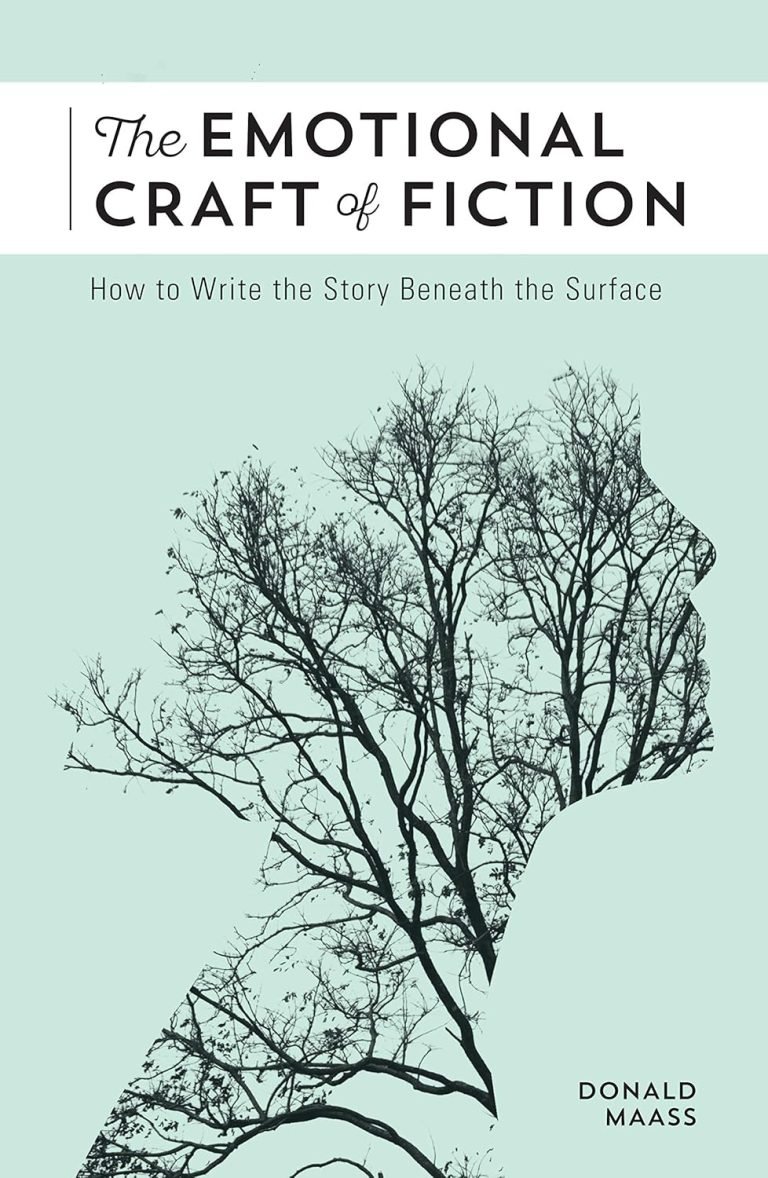
The Emotional Craft of FictionFiction

The Emotional Craft of Fiction

Maass takes on the skill writers most doubt can be taught, making a reader actually feel something, and treats it as learnable craft. The key insight is that moving a reader is not describing a feeling; it often demands restraint…

READ MORE »

Writing MonstersvFiction

Writing Monsters

A focused guide to creating monsters that work, built on the sharp insight that the best ones embody a fear, an anxiety, or a theme instead of just menacing. Practical on designing creatures that feel believable and uncanny instead of…

READ MORE »

Order in the CourtWriting

Order in the Court

Courtroom drama is one of fiction's most reliable engines and one of the easiest to botch. This translates real US court structure and procedure into usable terms, with the smart point that authentic procedure is itself dramatic. Dated to 2000…

READ MORE »

The Writer's Guide to WeaponsWriting

The Writer’s Guide to Weapons

Most authors shoot from the hip and miss when writing weapons, and this fixes it: accurate depiction of firearms especially, so the credibility-destroying errors that jar knowledgeable readers never make the page. A solid specialized tool, narrow and genre-dependent, serving…

READ MORE »

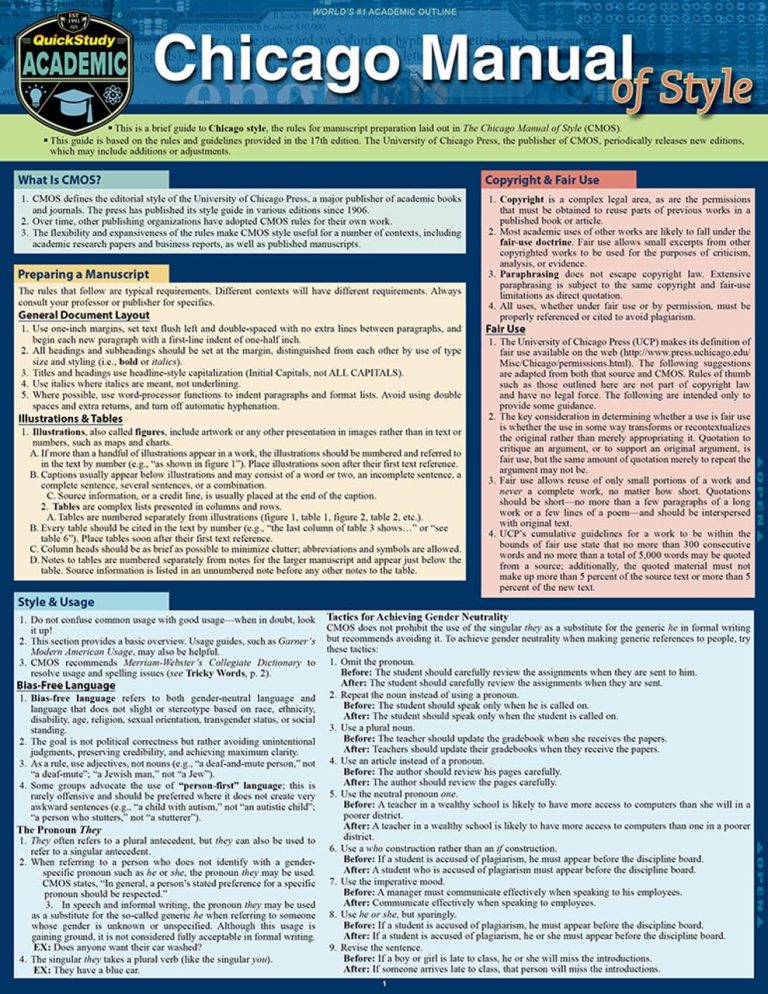
Chicago Manual of Style GuidelinesWriting

Chicago Manual of Style Guidelines

Set expectations precisely: this is not the Chicago Manual of Style but a six-page laminated cheat sheet of its most common rules. For fast lookups of punctuation, capitalization, and citation, it is a cheap convenience. Useless beyond the common cases,…

READ MORE »

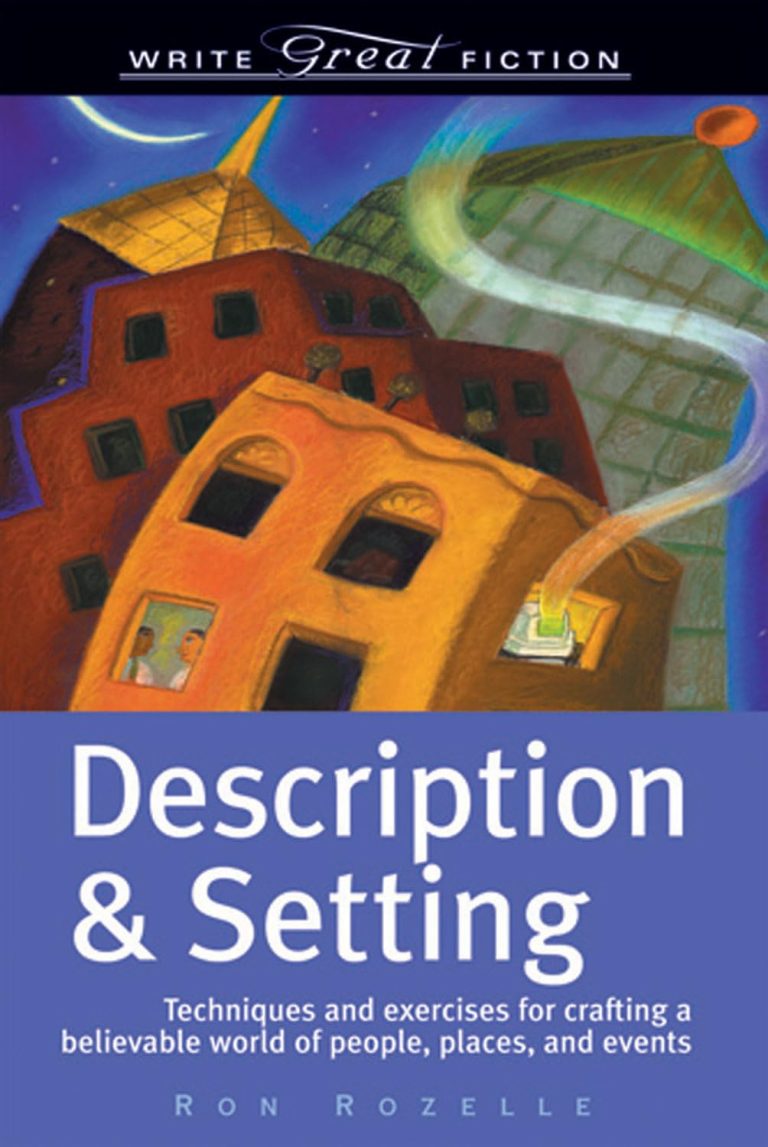
Write Great Fiction - Description & SettingFiction

Description & Setting

How much description is too much, and when does setting stop serving the story? Rozelle answers by making both do work, mood, character, plot, grounding, through the telling detail instead of the exhaustive catalogue. Clear guidance on the hardest judgment…

READ MORE »

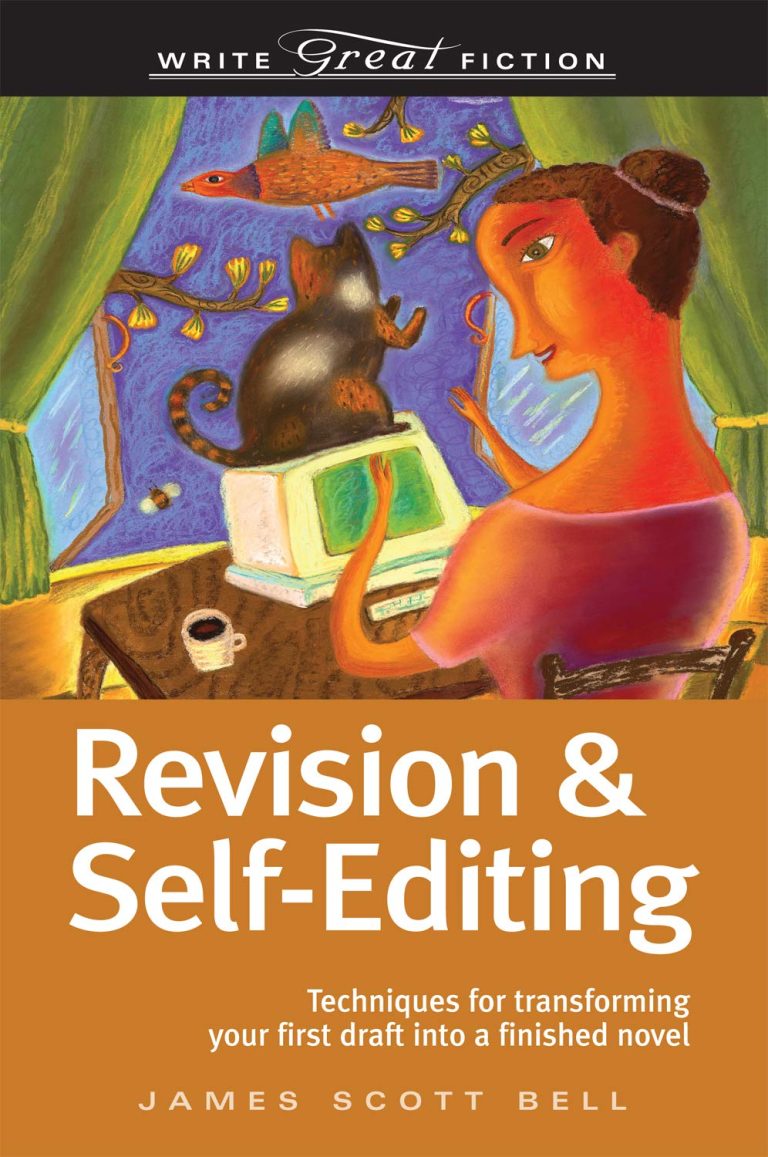
Revision And Self-EditingFiction

Revision And Self-Editing

A capable craft-and-revision primer whose best idea is treating revision as focused, layered passes instead of one impossible read-through. The catch is that specialists beat it on each side, sharper line-editing elsewhere, deeper plotting elsewhere. Solid, but hard to make…

READ MORE »

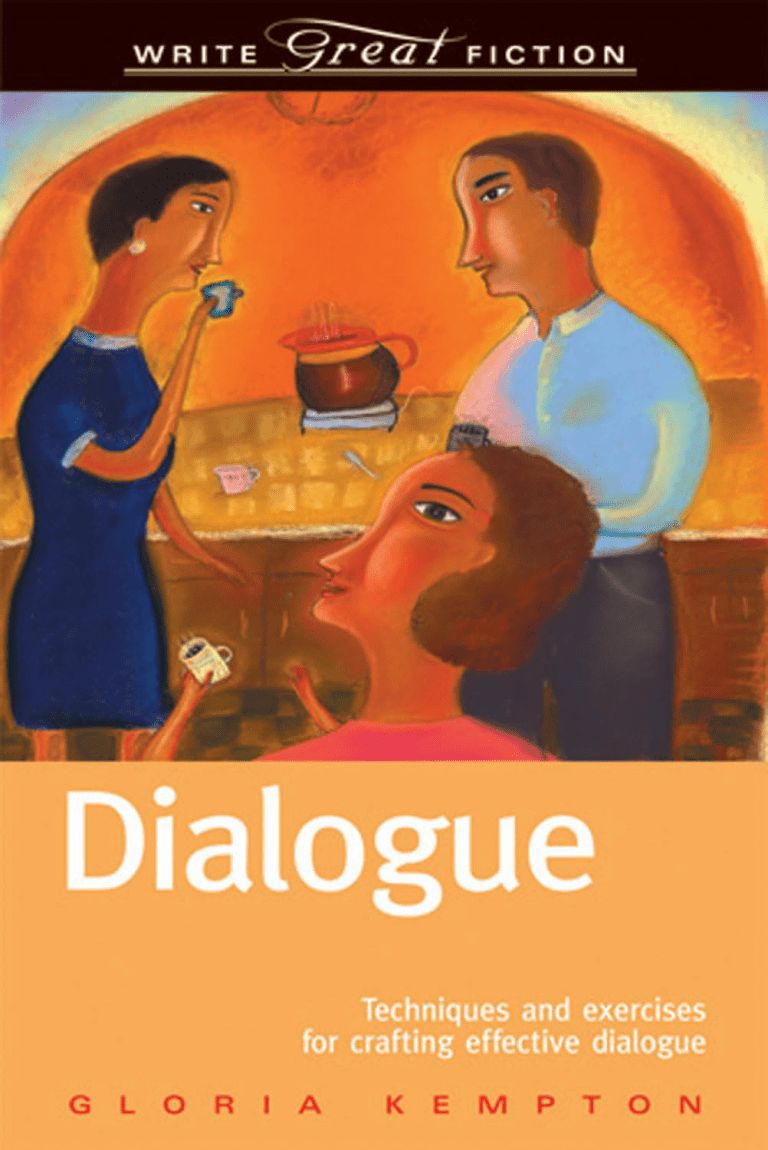
Write Great Fiction - DialogueFiction

Dialogue

A fine first book on dialogue, teaching that every line must earn its place, advancing plot, revealing character, carrying emotion, and giving subtext the depth it deserves. The single-author focus helps you learn the skill whole. Reliably useful for dialogue…

READ MORE »

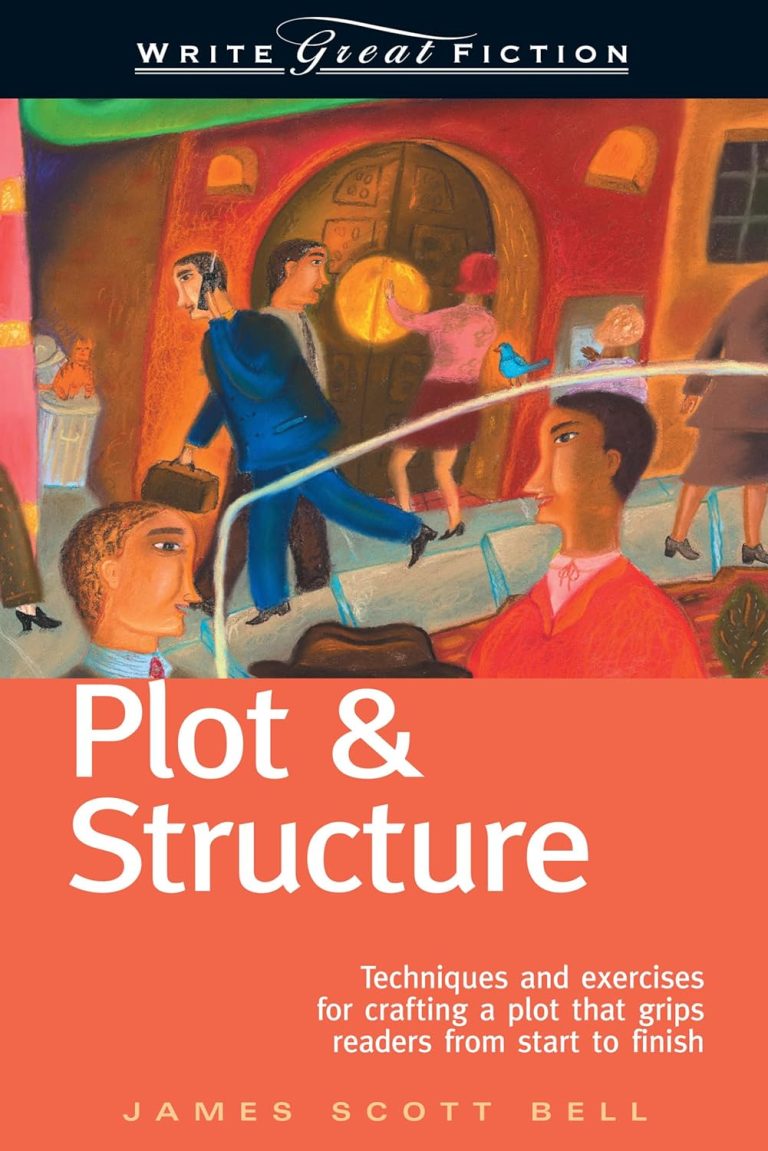
Plot & StructureFiction

Plot & Structure

Plot and structure are the most common stumbling blocks for new novelists, and Bell's book is one of the best fixes: clear, practical, and built around the memorably usable LOCK system. Example-rich, with tools for repairing broken plots. Best suited…

READ MORE »