TL;DR
6/10. A crime-writer’s reference focused on homicide, the genre’s defining crime, covering types of murder, means, and especially the cover-ups that form the puzzle at the heart of mystery fiction. Its mid-1990s specifics are dated by advances in forensic capability, and it works best alongside its companion volume, but it’s a focused, useful niche tool.
Murder One by Mauro V. Corvasce narrows the crime-writer’s reference down to the single subject at the dark heart of so much of the genre: murder. The author’s companion volume surveys criminal methods broadly. This one focuses on homicide. Its types. The weapons and means involved. The way killers attempt to cover their crimes, and how all of it can be used believably in fiction. For the mystery, thriller, and crime writers whose plots turn on a killing, it offers focused, realistic grounding in the genre’s defining crime.
Reviewed as a craft tool, it serves that purpose. I’m of two minds about it: the material on cover-ups is sharp and plot-ready, and the forensic side has aged badly enough to get a careless writer into trouble.
The lens is craft, as always: this review treats the book as a resource for writing believable murder in fiction, not as anything operational, and keeps to what it gives a storyteller.
The genre’s defining crime
Murder drives an enormous share of crime fiction, and the book’s value is treating it with the realistic detail that keeps a fictional killing credible. Corvasce covers the different types of murder and the realities of various means.
Then how killers attempt to conceal their crimes. The cover-ups. The disposal. The efforts to evade detection, the territory where a mystery plot unfolds.
A writer who understands how murders are realistically committed and concealed can construct a crime that holds up. It’s to survive the scrutiny of the fictional investigator and the knowledgeable reader, the foundation of a satisfying mystery.
Keep reading
Plotting a murder mystery the detective has to earn: Corvasce’s realistic homicide detail, in the craft of constructing the central crime.
The cover-up as plot
The book’s attention to how criminals cover up murders is its most plot-useful angle, because the concealment of a crime is the puzzle at the center of the mystery genre. The link between how a killer hides a crime and how an investigator uncovers it’s the essential cat-and-mouse, and realistic detail on the cover-up gives a writer the raw material to construct a credible puzzle, one where the clues that crack the case make sense and the killer’s mistakes feel earned instead of convenient.
Understanding concealment realistically is, for a mystery writer, understanding the structure of the genre itself.
Keep reading
Writing a thriller where the tension never breaks: the killer-versus-investigator dynamic at the heart of the form.
What are the weaknesses of Murder One?
The standard limitations apply, with the necessary note of care given the subject. The book dates from the mid-1990s, and forensic and investigative capability, the means by which murders are detected and solved, has advanced enormously since, so the realities of what a killer could plausibly conceal have shifted, and a writer setting a contemporary story must update against current forensic capability. As with all such references, it’s grounding for fiction, not anything else, and its value is strictly in writing believable crime.
It’s also a narrow, single-subject reference that overlaps its companion volume. The overlap irritates me. Two books where one tighter book would do means the reader pays twice for some of the same ground.
Is Murder One worth reading?
It’s a focused, useful crime-writer’s reference on murder, the genre’s defining crime, valuable for its realistic detail on the types of homicide and especially on the cover-ups that form the puzzle at the center of mystery fiction. It loses ground for its mid-1990s vintage, significant here because the forensic capability that catches killers has advanced so much since, and for the narrowness of a single-subject reference best used alongside its companions.
Treat it as authentic grounding for believable murder fiction and check every forensic detail against current reality. The cover-up material is worth the read. The forensics would get a modern killer caught fast and sink your plot with him.
Explore the hub
The Writing Hub: crime writing, research, and the rest of the craft, gathered in one place.
Frequently Asked Questions
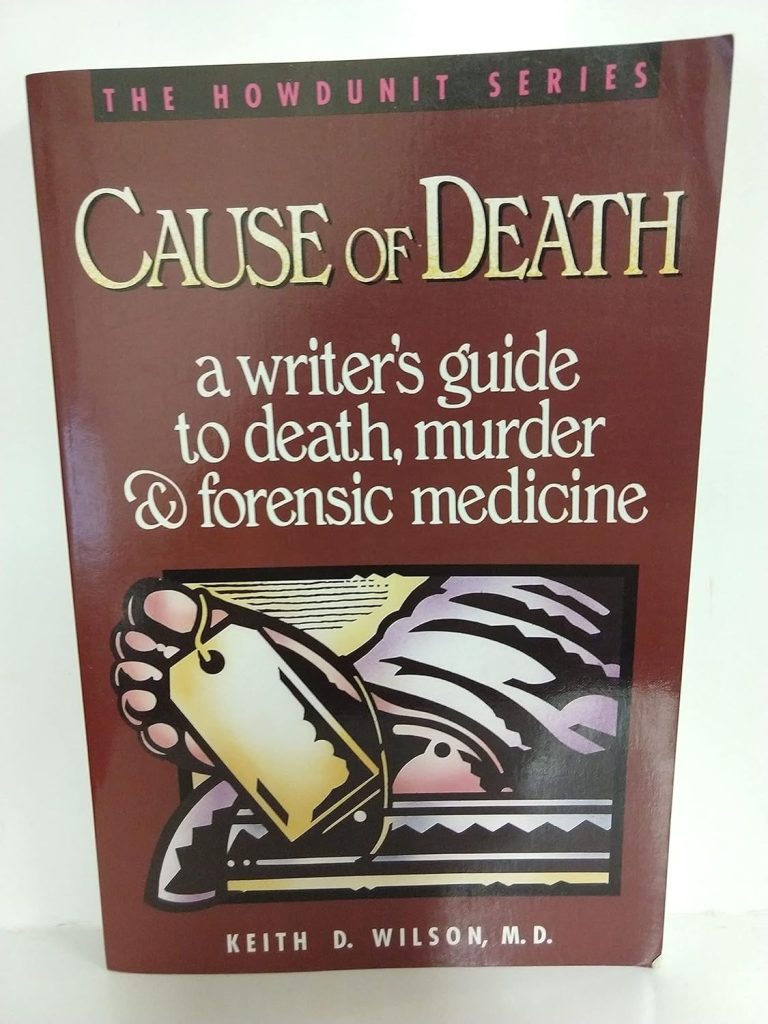
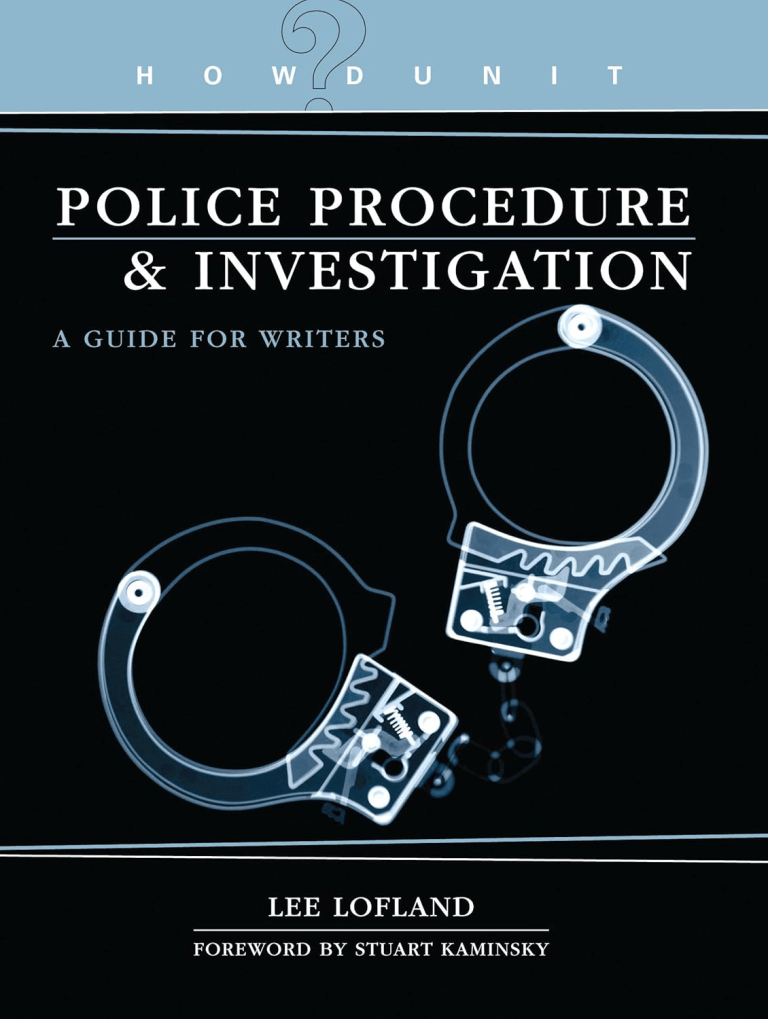
Other Books in the Howdunit Series





Other Books From – Being an Author