TL;DR
6/10. The most serious and genre-specific of the author’s guides, offering practical help with the subgenre’s real demands, collapsed-world building, survival logic, plotting, and clichés. Useful for a writer in that niche, held to the middle by an overselling presentation and the self-published form. A focused, practical genre guide, fairly judged within its lane.
How to Write Realistic Zombies and Post-Apocalyptic Fiction by Jackson Dean Chase is the most genre-specific and, at around a hundred and twenty pages, the most considerable of the author’s writing guides covered here. It targets a popular fiction niche, the zombie and post-apocalyptic story, and promises practical help with the demands of that subgenre, including plotting. For a writer working in this particular space, its focus and greater length make it more useful than the thinner character booklets, and the specificity is its strength. Of this author’s guides, it’s the one I take seriously, because it deals with the genre’s own problems instead of selling generic advice.
Genre-specific craft guidance has a clear value the general primers lack: the zombie and post-apocalyptic story has its own conventions, reader expectations, and recurring pitfalls, and a guide aimed squarely at them can be practical.
The value of genre specificity
The book’s strength is that it addresses the actual demands of post-apocalyptic and zombie fiction instead of general craft. The subgenre has particular challenges, building a convincing collapsed world, handling survival logic and resource scarcity, managing large casts of survivors, balancing action with the human drama that gives the carnage meaning, and avoiding the genre’s well-worn clichés, and a writer working in this space benefits from guidance tuned to those specifics.
The booklet reportedly includes plotting help and concrete structural advice, which for a genre that can collapse into aimless wandering-and-fighting is exactly the practical support a writer needs. Survivors who stumble from one fight to the next bore me stiff, so I’m all for anything that hands them a plot.
Keep reading
Building a believable world, even a collapsed one: the world-building demands of post-apocalyptic fiction, treated in depth.
Convention and cliche
The smartest thing a genre guide can do is help a writer understand the conventions well enough to satisfy them while avoiding the clichés, and to the extent this book does that, distinguishing the expected beats readers want from the tired tropes that make a story feel derivative, it serves its niche.
The post-apocalyptic and zombie space is crowded and heavily clichéd, so a writer needs both to deliver the genre’s pleasures and to bring something fresh, and guidance on walking that line is the genre writer’s real challenge. The genre is drowning in the same shambling hordes and the same grim ruins, and a guide that pushes back on that sameness is doing the right work. The longer format gives it more room to address this than the brief booklets allow.
Keep reading
Genre fiction: meeting reader expectations while staying fresh: the convention-versus-cliche balance every genre writer must strike.
What are the limits of How to Write Realistic Zombies and Post-Apocalyptic?
The familiar series caveats apply, though more lightly given the greater length. The marketing-heavy presentation still oversells, and the authorship-attribution quirks of the series recur. It’s also, by nature, narrow: valuable to a writer working in zombie or post-apocalyptic fiction and largely irrelevant to anyone else, the nature of a genre-specific guide.
And as a self-published booklet it has the production and authority limits of that form instead of a major craft publisher’s. For its niche it’s useful; outside it, it doesn’t apply.
Is How to Write Realistic Zombies and Post-Apocalyptic worth reading?
It’s the best of the author’s guides covered here, deserving a slightly-above-baseline place because its genre specificity gives it real, practical purpose for a writer in its niche, and its greater length lets it deliver more than the thin character booklets. It’s held to the middle by the overselling presentation, the self-published form, and the inherent narrowness of a single-subgenre guide.
For a writer working on zombie or post-apocalyptic fiction who wants targeted, practical help with the subgenre’s specific demands and clichés, it’s a useful tool; for anyone outside that niche, it’s simply not their book. Zombie writers get a guide that respects their genre. Everybody else can walk past it without losing a thing.
Explore the hub
The Entertainment Hub: genre fiction and the craft behind it, gathered in one place.
Frequently Asked Questions
Other Books in the How to Write Realistic Fiction Series
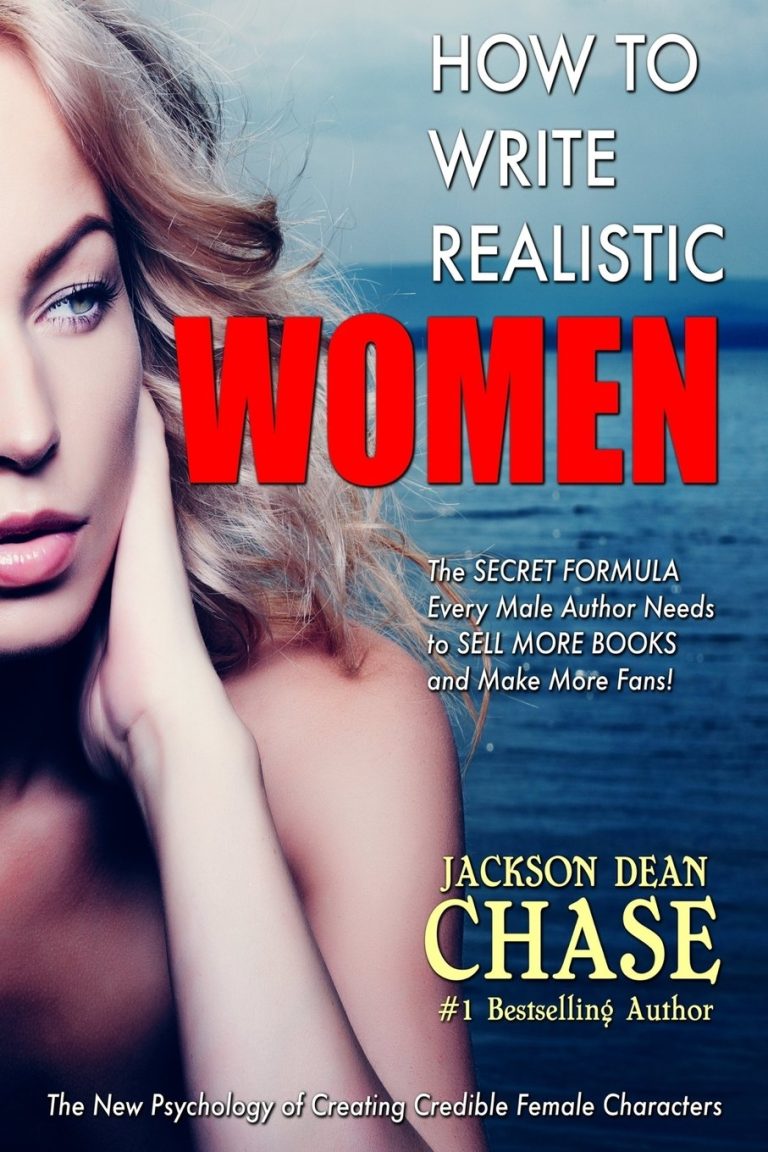
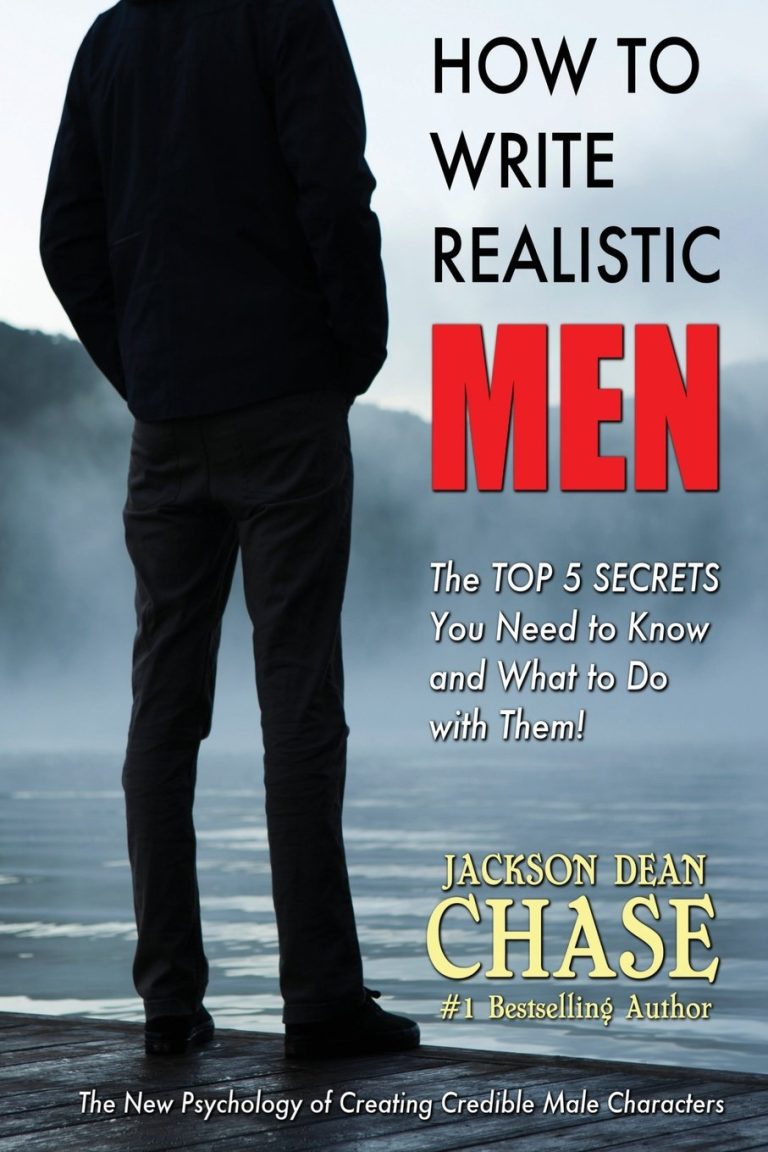
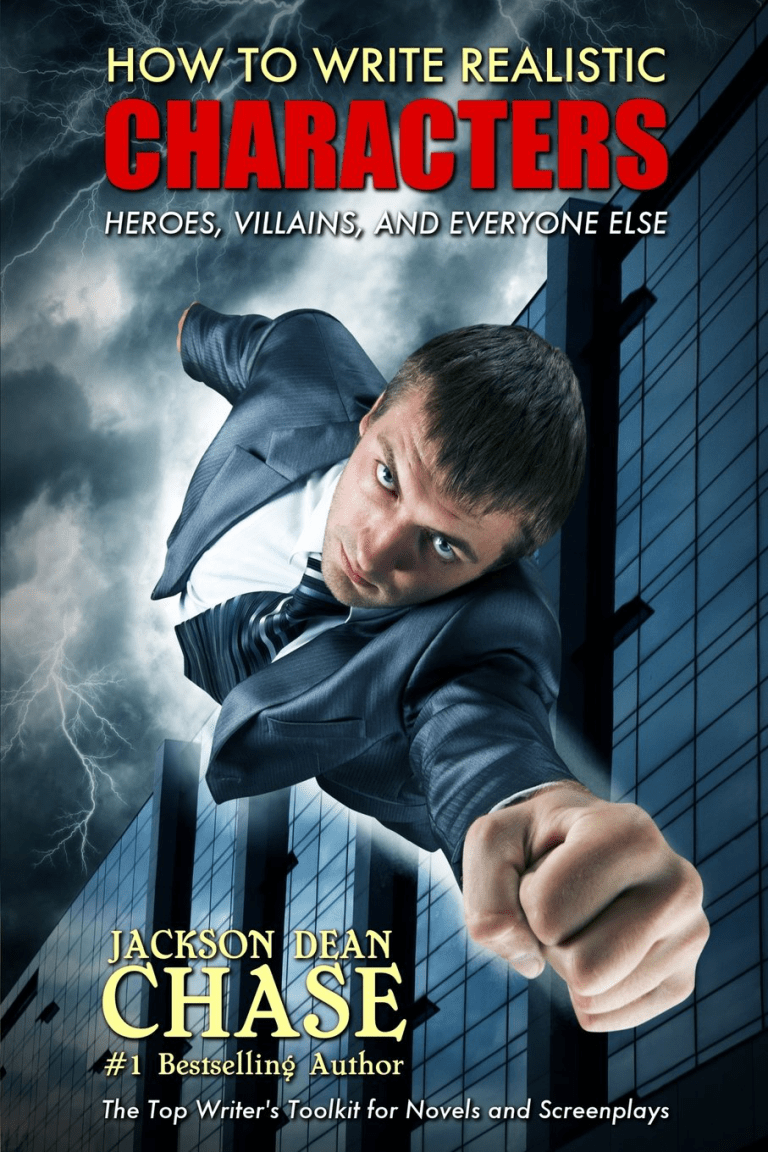
Other Books From – Being an Author


About the author