TL;DR
7/10. A useful, well-focused craft guide to deep character interiority and the intimate reading experience it produces. It carries practical techniques for conveying an inner life, so the reader inhabits a character instead of observing one. A solid guide built on the sound principle that reader intimacy with character is central to excellent fiction, held from higher by its narrow scope and overlap with the broader characterization literature.
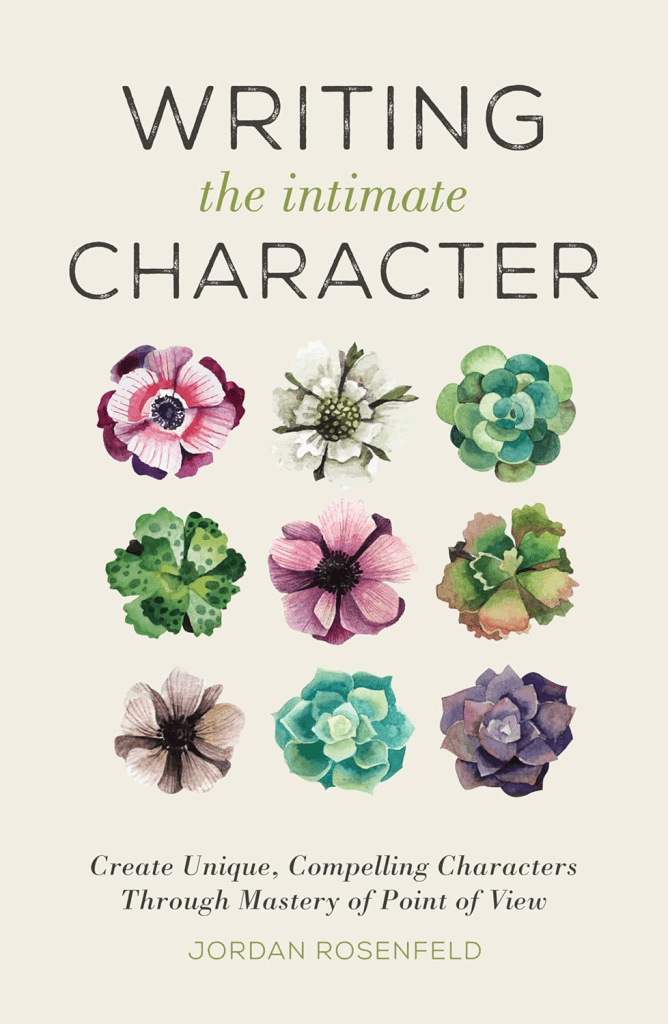
Writing the Intimate Character by Jordan Rosenfeld is a craft guide focused on creating deep, vivid characters and, through them, an intimate reading experience, the sense of being inside a character’s mind and heart instead of observing from outside. Rosenfeld concentrates on the techniques that build interiority. Thoughts, emotions, sensations, inner life. Get those on the page and the reader experiences the story bonded to the people in it.
Built on the sound premise that excellent fiction lives in its characters, it offers focused, practical guidance on one of fiction’s most important and elusive skills. As a guide to character interiority and intimacy, it does a useful job, deserving a solid rating. The focus is well chosen. Deep interiority, the felt sense of inhabiting a character, makes readers bond with fiction. It also gets less direct attention than plot or structure.
Building interiority
The book’s value is its focused attention on conveying a character’s inner life, the techniques that let a reader feel they’re inside a character instead of watching from a distance. Rosenfeld addresses how to render thoughts, emotions, physical sensations, and the flow of awareness on the page so that the reader inhabits the character and experiences the story intimately. That’s among the most powerful effects fiction can achieve, and most writers botch it.
For a writer whose characters feel externally described instead of internally inhabited, this targeted instruction on building interiority addresses exactly the gap, offering practical techniques for the deep characterization that creates reader intimacy and emotional connection.
Keep reading
Character interiority and the reader’s bond with fiction: Rosenfeld’s techniques for inner life, in the wider craft of character development.
Watch: Writing the Intimate Character - Writing Craft Book Review, Miranda Darrow
Intimacy as the heart of fiction
The book rests on a sound and important principle: that the intimacy a reader feels with a character is much of what makes fiction excellent and memorable. Readers connect with stories through characters, and the closer and more vivid that connection, the more powerful the experience, so the skill of creating intimacy, of making a reader inhabit and care about a character, is central instead of incidental to good fiction.
Rosenfeld’s focus on this dimension addresses something fundamental, and her practical techniques help a writer achieve the close, felt connection that distinguishes fiction that moves readers from fiction that merely informs them. It treats reader intimacy as a craftable goal. That’s both accurate and useful.
Keep reading
Emotional connection through deep, intimate character: the reader bond Rosenfeld builds, in the wider craft of fiction that moves people.
What are the weaknesses of Writing the Intimate Character?
The caveats are about scope and balance. By design it focuses on character interiority and intimacy, so it’s a deep treatment of one dimension instead of a complete craft education, and a writer needs other resources for plot, structure, and the rest; it goes deep on its subject instead of broad.
There’s also a balance to strike that the focus can obscure: deep interiority is powerful but can, overdone, slow pace or turn inward at the expense of forward momentum, so the techniques require judgment about how much and when. Pages of brooding while the plot sits still will kill a book fast. And its territory overlaps with the broader characterization and point-of-view literature. These are the normal limits of a focused craft guide instead of flaws, and on its chosen, important subject it offers real depth.
Is Writing the Intimate Character worth reading?
It’s a useful, well-focused craft guide to one of fiction’s most important and elusive skills: creating deep character interiority and the intimate reading experience it produces. It deserves a solid rating for its focused, practical attention to conveying a character’s inner life so the reader inhabits instead of observes them, and for the sound principle that reader intimacy with character is central to excellent fiction.
It’s held from higher by its deliberately narrow scope, deep on interiority instead of broad across craft, by the judgment its techniques require so interiority doesn’t stall pace, and by overlap with the broader characterization and point-of-view literature. For a writer whose characters feel externally described instead of inhabited, it offers exactly the targeted help needed. If readers shrug at your protagonist, the fix is in here, and it’s a good one.
Explore the hub
The Psychology of Writing Hub: character, interiority, and emotional connection, gathered in one place.
Frequently Asked Questions
Other Books From – Writing and Language