Latest
The Money Appeared the Week After the DisasterHow a Stranger Decides You Are Credible in Nine SecondsWhat You Have to Decide Before Anybody WritesWriting It Before You Need ItCross Training Covered Everything Except the Role That Mattered MostBehind the Book: The Woke VirusBehind the Book: Galactic InvasionBehind the Book: You Don’t Own Anything AnymoreWhat’s New at The Writing King: Week of November 8, 2026Alexander Zhidkov: Decision MakingJessi Szurek: Expand Your RangeYou Don’t Own Anything AnymoreThe Budget Decided How My Department Was ShapedWhy Your Competitor’s Book Is Working and Yours Would NotWhy Are These Guys Smiling? A Business Book That Became a Wrestling MemoirPangram Wants to Decide Who Gets PublishedWhat You Have Enough Material For Right NowWhen a Book Is the Wrong ToolThe Woke VirusGalactic InvasionChatGPT Turns Four: From a Free Research Preview to GPT-6What’s New at The Writing King: Week of November 1, 2026Diwali: The Festival of Lights and the Story Behind the LampsHow Much Water and Power Does Heavy AI Use Take? I Ran My Own NumbersBad Boys: Ride or Die (2024)Vesuvius Day: The Teenager Who Wrote Down Pompeii’s Last DayAnti-Communism Week: Remembering the Writers Communism SilencedVoyager 1 One Light-Day: Fifty Years to Travel One Day of LightVellum Added an Optional AI Feature. A Pile-On Killed It in a Day.Are AI Subscriptions Losing Money? The Gym Membership Math Says NoAI Terms Every Writer Should Know, and Why Each One MattersWorking While Sick: What 24/7 On Call Cost MeHe Banned AI From His Writing Group. His Own Cover Got Called AI Slop.Who Writes the Fake Fan Mail Authors Get? Inside the Scam CompoundsSMS Appointment RemindersFree BooksDarrell Stern: Stop Being Invisible, Become UnmissableJoe Rockey: Ghostwriting His BookHow to Turn Your Expertise Into a Book People Want to Read | The Expert MethodWhat’s New at The Writing King: Week of October 25, 2026Challenger Remembrance Day: The Engineer Who Wouldn’t SignJoel Salomon: The Truth About MoneyReddit Is Putting Up a Login Wall. Wikipedia Won’t Be Far Behind.Victoria Chemko: The Body Is the First TechnologySir Patrick Stewart: A TributeA Year in the Bank: ADHD, Face Blindness and the Freedom to Walk Out | The Impossible Puzzles Show, Episode 326A Yale Economist Says We Won’t Be Missed. He Forgot the Bread Line.Walter Koenig: A TributeI Don’t Post Bad ARC Reviews. I Send the Author a Note.AI Has Paid Off Outside Tech. Apollo Is Reading the Wrong Scoreboard.

Category: Writing (Page 71)

Howdunit ForensicsFiction

Forensics

If a crime writer owns one forensics reference, this is probably the one: comprehensive, authoritative, and written by a physician who knows how to teach writers and correct the TV-forensics myths. The cornerstone of the Howdunit series, notably more current…

READ MORE »

The Book of PoisonsFiction

The Book of Poisons

Poison is the most literary of murder weapons, quiet, premeditated, often untraceable, and this is arguably the standard reference for it: substances catalogued with the symptoms, timing, and detectability that make a poisoning believable and turn poison into plot. Held…

READ MORE »

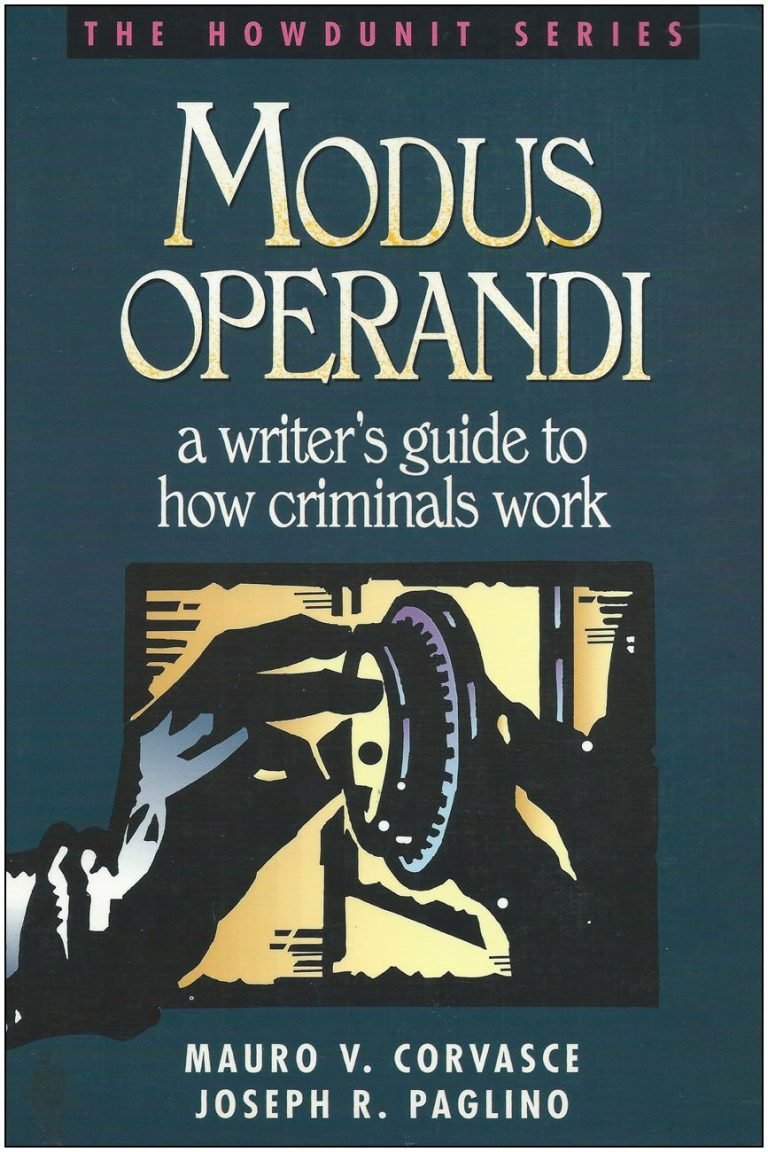
Modus OperandiFiction

Modus Operandi

A reference on how crimes are really committed, the methods and patterns that lend mystery fiction realism, with the sharp angle that a criminal's method is both a character signature and a clue. The mid-1990s specifics are dated, and it…

READ MORE »

Malicious IntentFiction

Malicious Intent

A reference on the criminal mind: who offenders are, why they act, how they choose victims, and how police catch them, weighted toward psychology over forensics. Useful for grounding believable criminals and investigations, though the mid-1990s criminology is dated and…

READ MORE »

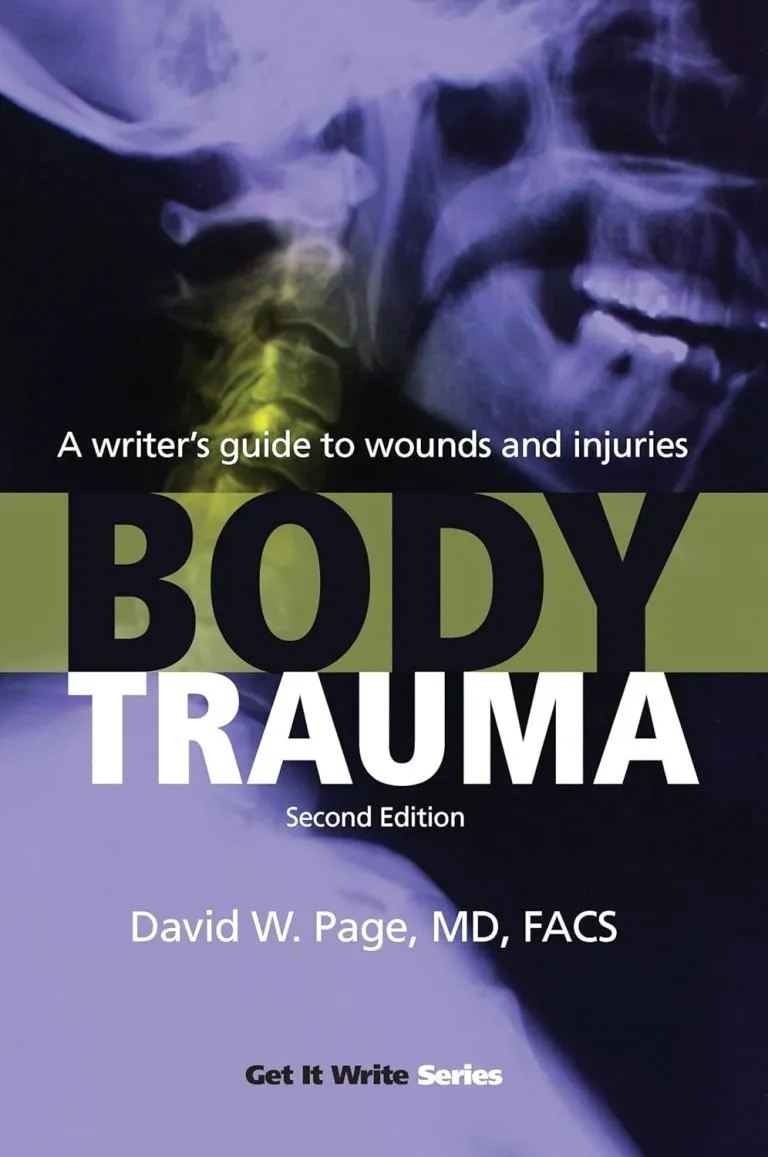
Body TraumaFiction

Body Trauma

When a character is shot, stabbed, or thrown from a car, what happens to the body, and how long do they have? A surgeon answers, with the treatment window and realistic odds of survival. Stronger than most crime references for…

READ MORE »

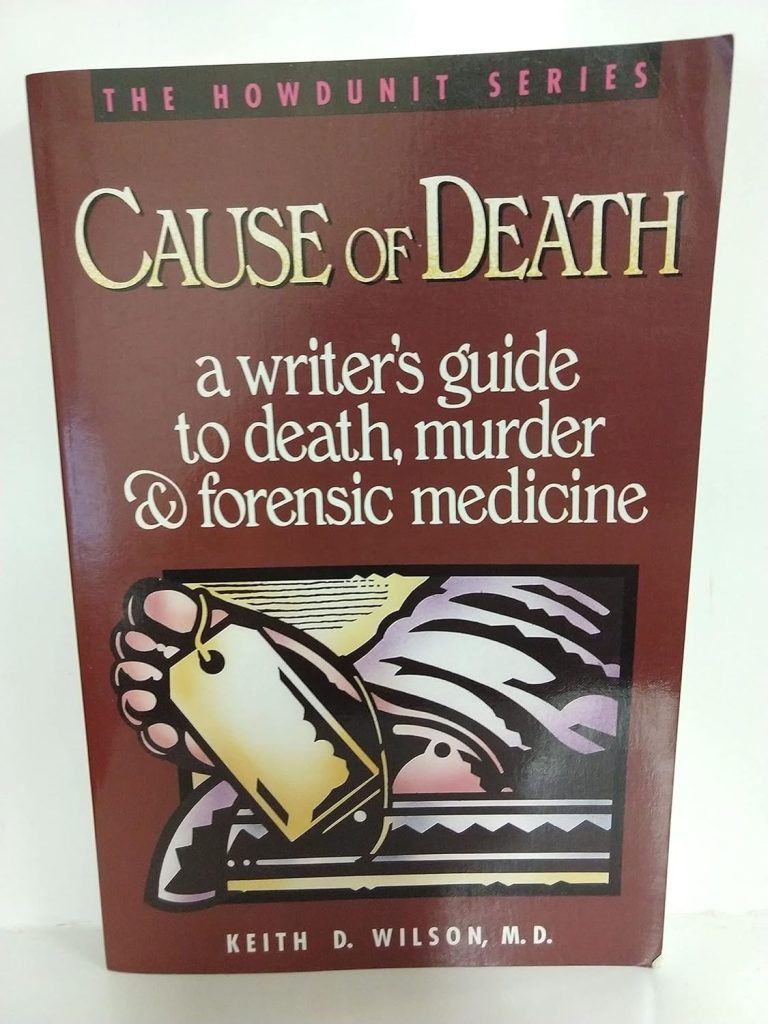
Cause of DeathFiction

Cause of Death

A physician's forensic reference on death, autopsy, and the procedures that follow, the companion to a wounding guide. Competent on the timeless basics, but its early-1990s detail is badly dated in a field transformed by DNA. A foundation to verify…

READ MORE »

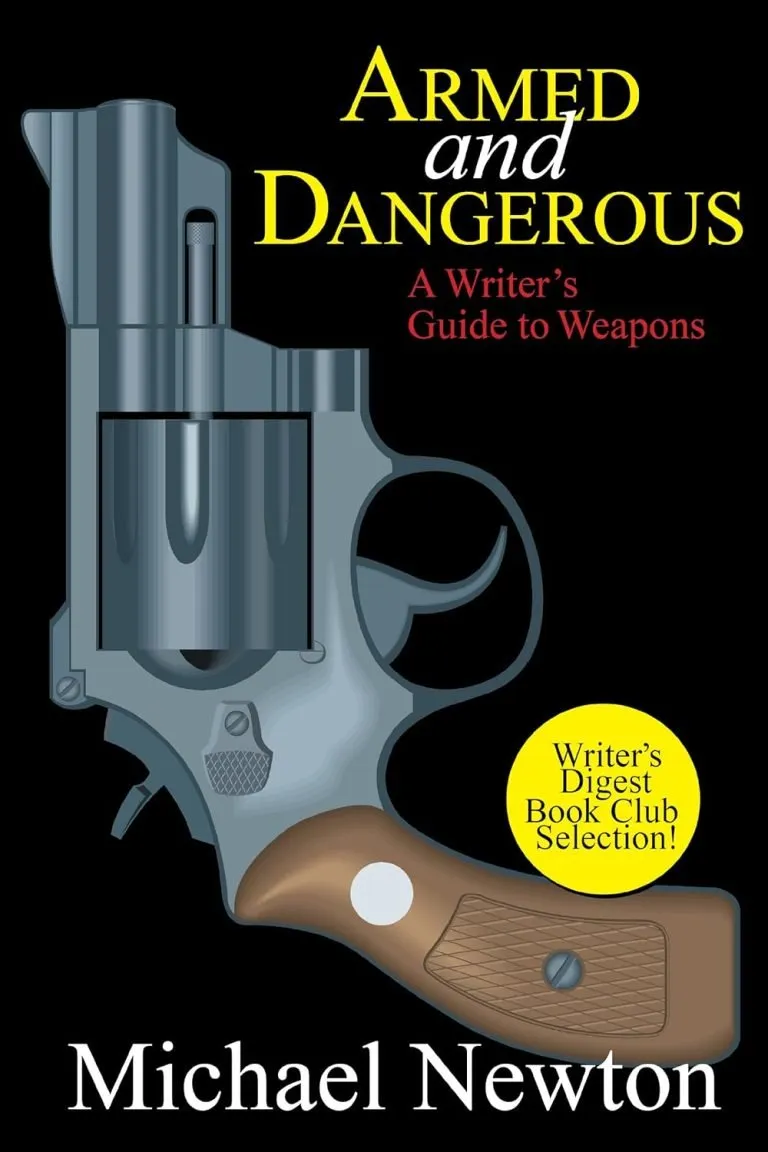
Armed and DangerousCritical Thinking

Armed and Dangerous

Get a gun wrong in a thriller and you lose the knowledgeable half of your readers on the spot. Newton's reference is sound on how firearms work and which common mistakes betray a lack of research. The 1990 detail is…

READ MORE »

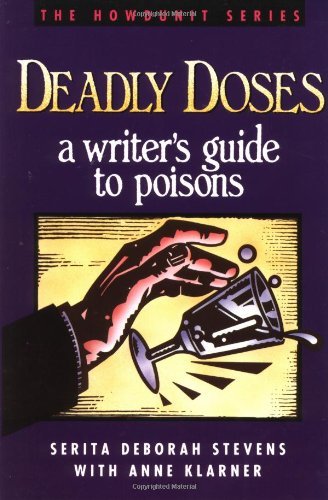
Deadly DosesFiction

Deadly Doses

A Howdunit reference for depicting poisoning believably, a verisimilitude tool for the mystery writer who wants a plot that convinces genre-savvy readers. The 1990 science is significantly dated in a fast-moving field, so verify every specific against current sources.

READ MORE »

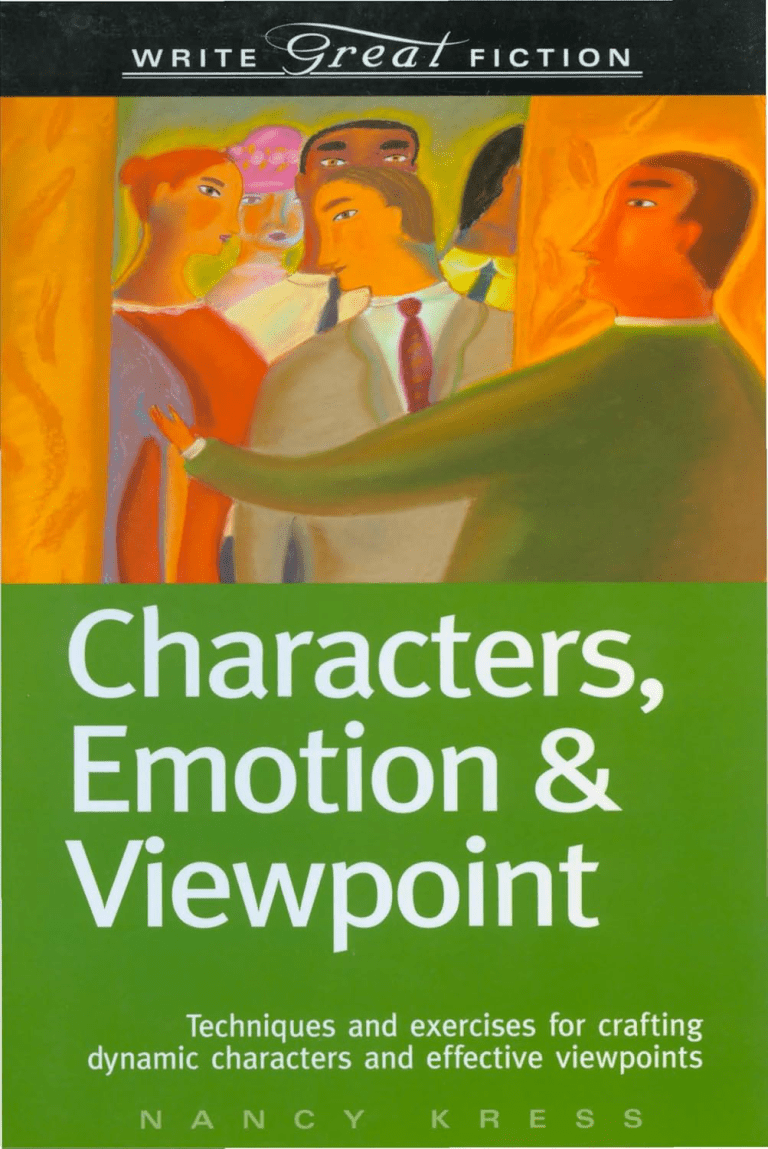
Write Great Fiction - Characters, Emotion & ViewpointFiction

Characters, Emotion & Viewpoint

Three linked skills, character, emotion, and viewpoint, built around the idea that fiction lets a reader live inside another mind. Kress is exceptional on point of view's close, middle, and distant distinctions, and smart on tying character to plot through…

READ MORE »

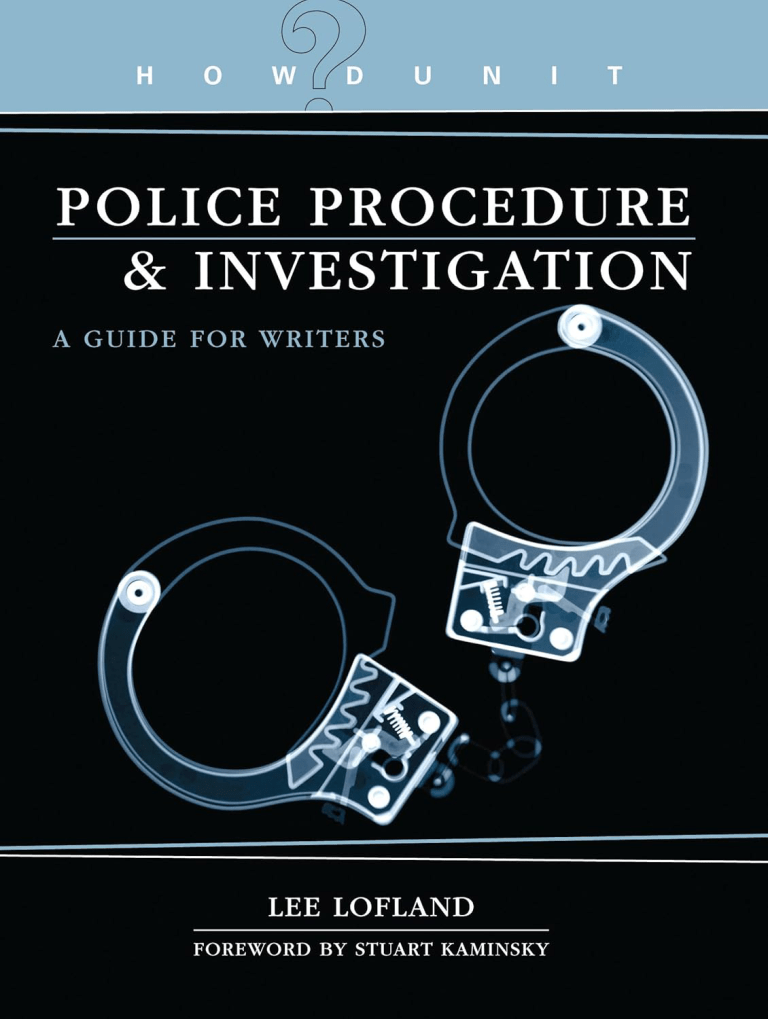
Police Procedure & Investigation: A Guide for WritersFiction

Book of Police Procedure and Investigation

Almost everything you think you know about police work came from television, and most of it is wrong. Lofland, a veteran investigator with a teacher's clarity, corrects the myths and captures the texture of real police work, not just procedure.…

READ MORE »

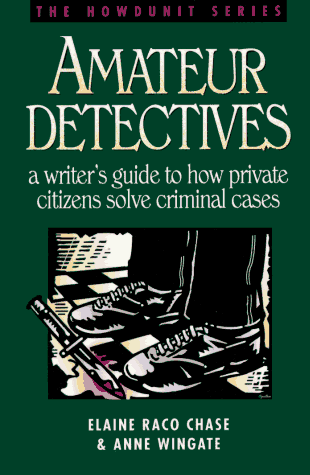
Amateur DetectivesFiction

Amateur Detectives

A Howdunit reference for the amateur-sleuth mystery, strongest on the hardest believability problem in the subgenre: making it credible that an amateur, not the police, cracks the case. The mid-1990s procedural and forensic detail is dated and needs heavy updating.…

READ MORE »

Private EyesFiction

Private Eyes

A Howdunit reference that replaces the romanticized fictional PI with the real one: surveillance, records, patient legwork, on the insight that the reality is richer material than the myth. The early-1990s methods are dated by the digital era, but the…

READ MORE »