Latest
How to Register a Copyright for Your Book (and What Doesn’t Count)Your AI Chats Aren’t Private: Deleted ChatGPT Logs in CourtI Joined the Science Fiction Book Club 30 TimesThe Board Seat Scam: A 419 Letter in a Business SuitCitations in a Memoir: Endnotes, Footnotes and Fair UseThe Stores That Still Care: Publix, Walmart, Aldi, Best Buy and the RestThe Grocery Store Plan: Why Every Store Starts With FlowersWinnie-the-Pooh’s 100th Birthday: A Century in the Hundred Acre WoodFree With a Fill-Up: How America Stopped Giving Things AwayAI’s Black Box Is Getting a Window. Somebody Still Has to Look Through It“It Stars C. Thomas Howell. No.” Why AI Gets Stuck in a LoopShould You Query or Self-Publish Your Memoir If You’re Not Famous?Judge the Writing, Not the Tool: What the AI Pile-Ons Get WrongThiago Ferreira: Thinkers, Not DoersYana Semova: Let AI Do the AdminLisa Hamilton-Smith: Unstoppable, AI AssistedJack Kerouac Day: The Scroll and the Last AddressTell a Fairy Tale Day: The Stories Everybody EditedKurt Vonnegut Day: The Book That Took Twenty YearsSuperman Day: The $130 Contract Behind the CapeHarry Potter’s Birthday: The Book Twelve Publishers MissedHarper Lee Day: The Draft Her Editor Saw ThroughMaya Angelou Day: The Dare That Became a MemoirInternational Literacy Day: The Readers Books LoseGene Roddenberry Day: The Pilot Who Pitched the StarsInternational Translation Day: The Invisible AuthorsRoald Dahl Day: Six Pencils and a Grudge Against Grown-UpsRaymond Chandler Day: The Novelist Who Started at FiftyElmore Leonard Day: Leave Out the Part Readers SkipEncourage a Young Writer Day: The Adult Who Read the PagesBack to the Future Day: The Script Where Everything Pays OffStephen King Day: The Daily Two ThousandZora Neale Hurston Day: The Ear She TrainedFyodor Dostoevsky Day: The Novels Written Against the ClockIan Fleming Day: Two Thousand Words a MorningEmily Dickinson Day: The Poems in the DrawerRobert E. Howard Day: The Texan Who Built ConanAlice’s Day: The Story Told on a Rowing BoatNational Library Lovers Month: The Building a Town Pays ForF. Scott Fitzgerald Day: The Masterpiece That FloppedNational Podcast Day: The Interview Is the Raw MaterialJohn Steinbeck Day: The Reporter Who Wrote the NovelElmore Leonard’s 10 Rules of Writing, and Which Ones I BreakShould Your Novel Have a Prologue? When a Cold Open Earns Its Place“People Who Use AI Deserve to Be Castrated”: When the Sentence Outruns the CrimeHow Famous Memoirs Were Really Written: What the Collaborators DidLifeOpen: An AutobiographyFlorida RoadkillAmerican Soldier

Category: Writing (Page 74)

A Writer's Guide to Active SettingFiction

A Writer’s Guide to Active Setting

Setting is the most wasted element in most fiction, a backdrop established once and forgotten. This makes it active, establishing mood, revealing character, controlling pace, through a concrete, example-driven method. Narrow and a touch repetitive, but close to essential if…
READ MORE »

Conflict, Action, and SuspenseFiction

Conflict, Action, and Suspense

What makes a book a page-turner? Noble's answer is conflict, the engine of all narrative drive, with action and suspense as conflict in motion. Genuinely clarifying for work that feels slack or low-stakes, though it surveys familiar principles instead of…

READ MORE »

From First Draft To Finished NovelFiction

From First Draft To Finished Novel

Wiesner treats a novel like a house: blueprint first, then build in stages. Her system runs idea to outline to draft to revision as one connected workflow, which is its real strength. Strong for planners who keep stalling, less suited…

READ MORE »

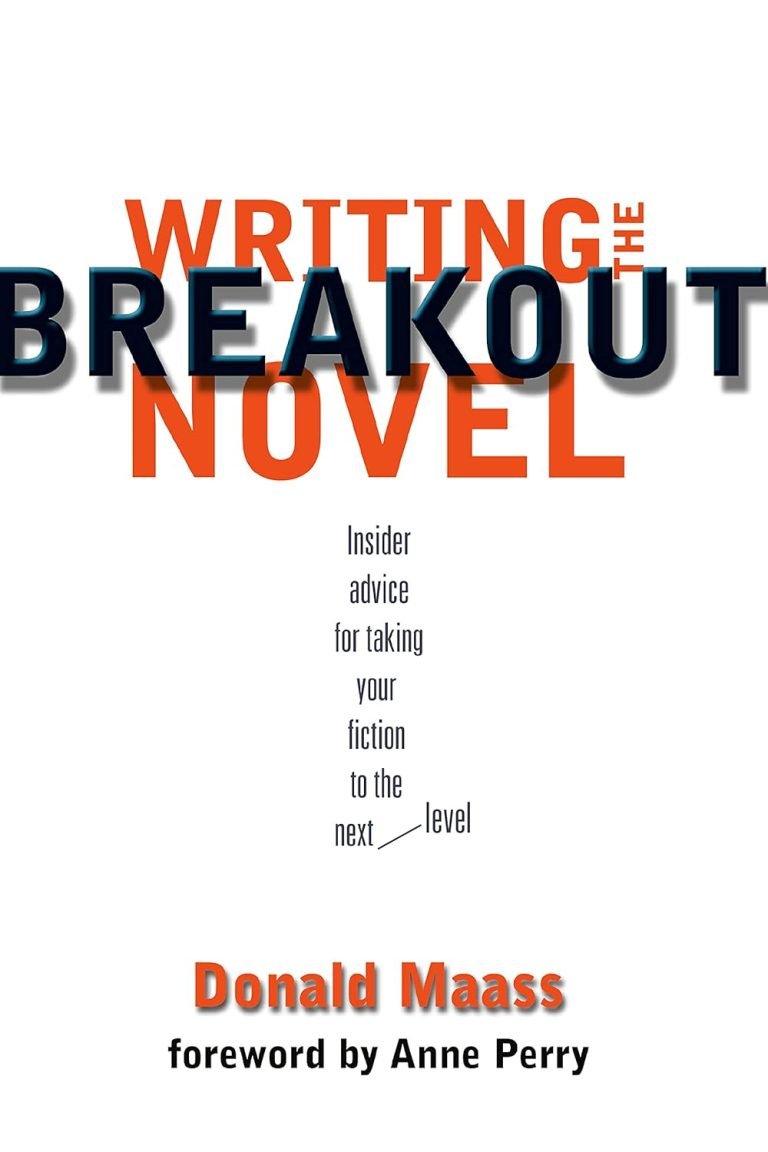
Writing the Breakout NovelBusiness

Writing the Breakout Novel

Maass brings an agent's eye to the question of what lifts a novel from competent to breakout: higher stakes, deeper characters, stronger tension, bigger thematic ambition, with concrete ways to build each. One of the most respected craft books going,…

READ MORE »

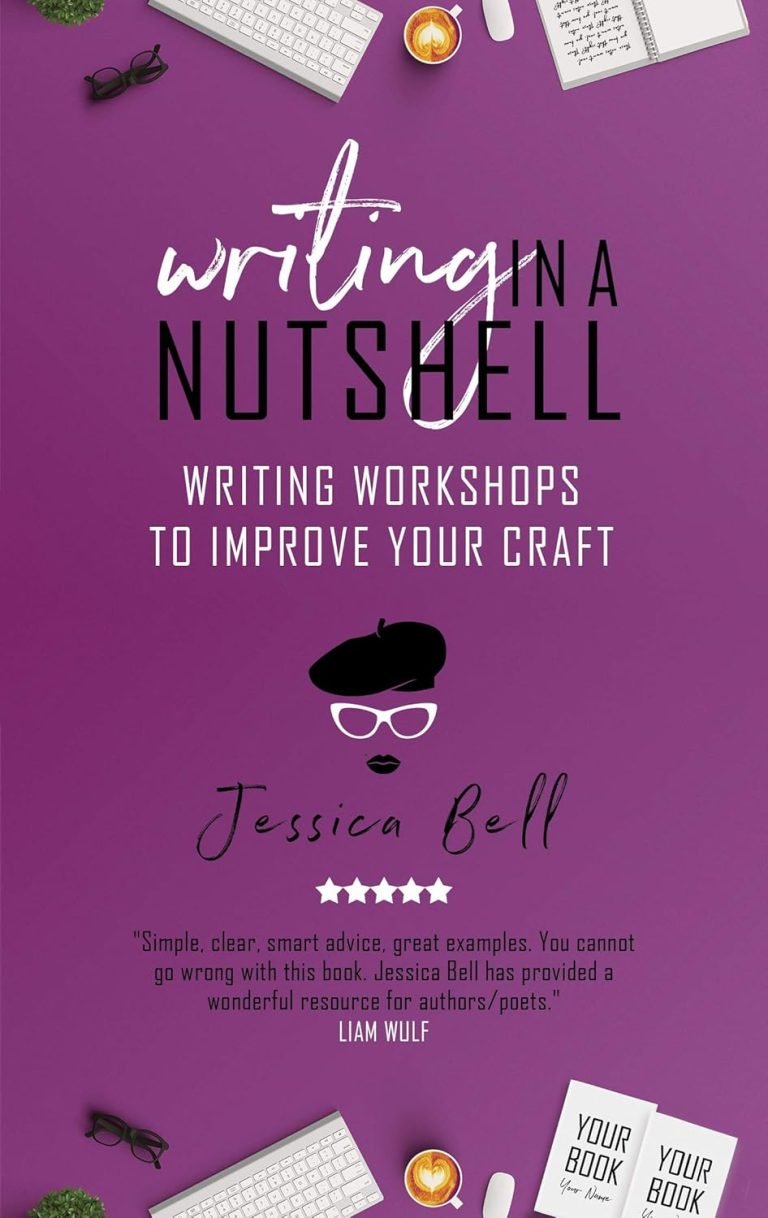
Writing in a NutshellWriting

Writing in a Nutshell

A short, workshop-driven craft guide that teaches through exercises instead of lectures, with targeted instruction on specific skills. Useful for writers who learn by doing, though its scope is brief and selective and overlaps other craft-improvement books.

READ MORE »

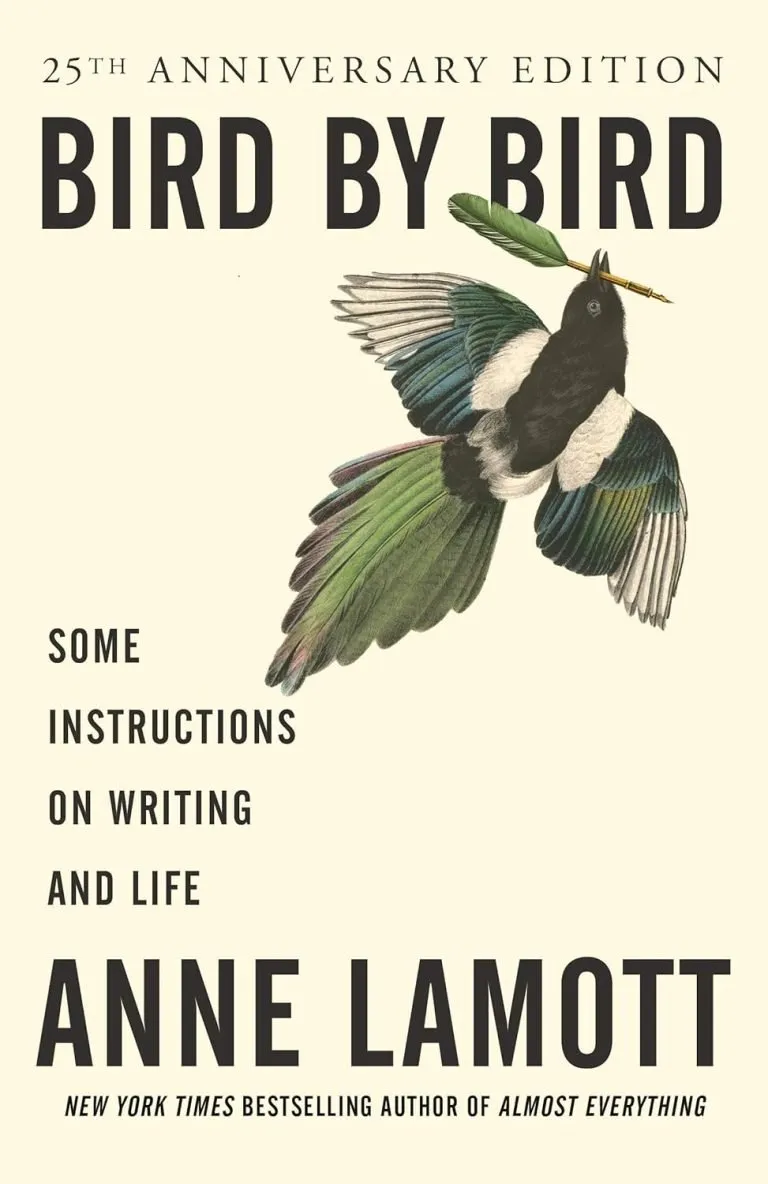
Bird by BirdWriting

Bird by Bird

Other books tell you what to do; Bird by Bird tells you how it actually feels to do it, the dread, the envy, the certainty that you are a fraud. The one-inch frame and the defense of bad first drafts…

READ MORE »

The First Five PagesWriting

The First Five Pages

Most manuscripts are rejected over flaws an agent spots in the first few paragraphs, not on page two hundred, and Lukeman names them. An insider's diagnosis that doubles as a craft-error checklist. Relentlessly negative in framing, so pair it with…

READ MORE »

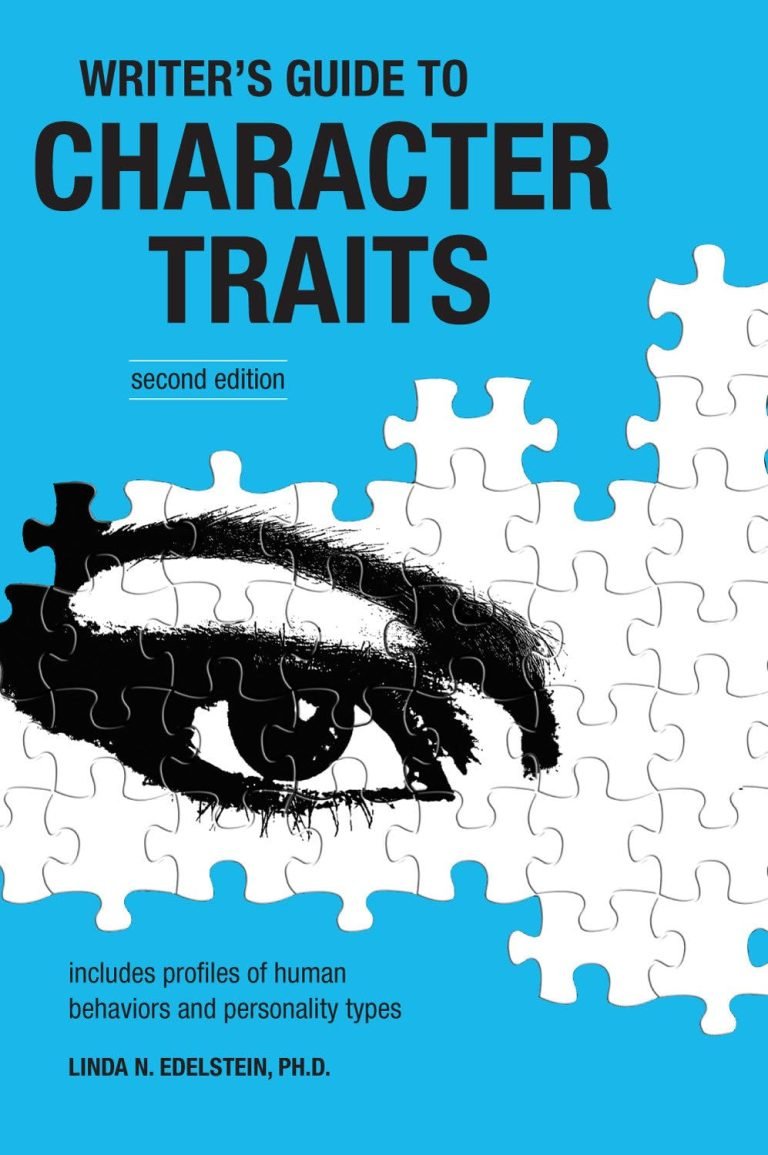
Writer’s Guide to Character TraitsWriting

Writer’s Guide to Character Traits

A character reference grounded in real psychology, written by a psychologist, with clinically accurate profiles of personality types and conditions. It lets a writer portray mental conditions responsibly, as long as the profiles stay raw material and don't get used…

READ MORE »

Childrens Writers Word BookFiction

Childrens Writers Word Book

Writing for children carries a constraint adult fiction does not: the vocabulary has to match the reader's stage. This is the standard tool for it, mapping words to reading levels with level-keyed synonyms. A specialist's reference, nearly unique in its…

READ MORE »

The Occupation ThesaurusWriting

The Occupation Thesaurus

Ask what your character does for a living and whether it shows; for most characters the honest answer is no. This makes the job a force in the story, shaping skills, worldview, schedule, and conflict. A lever most writers never…

READ MORE »