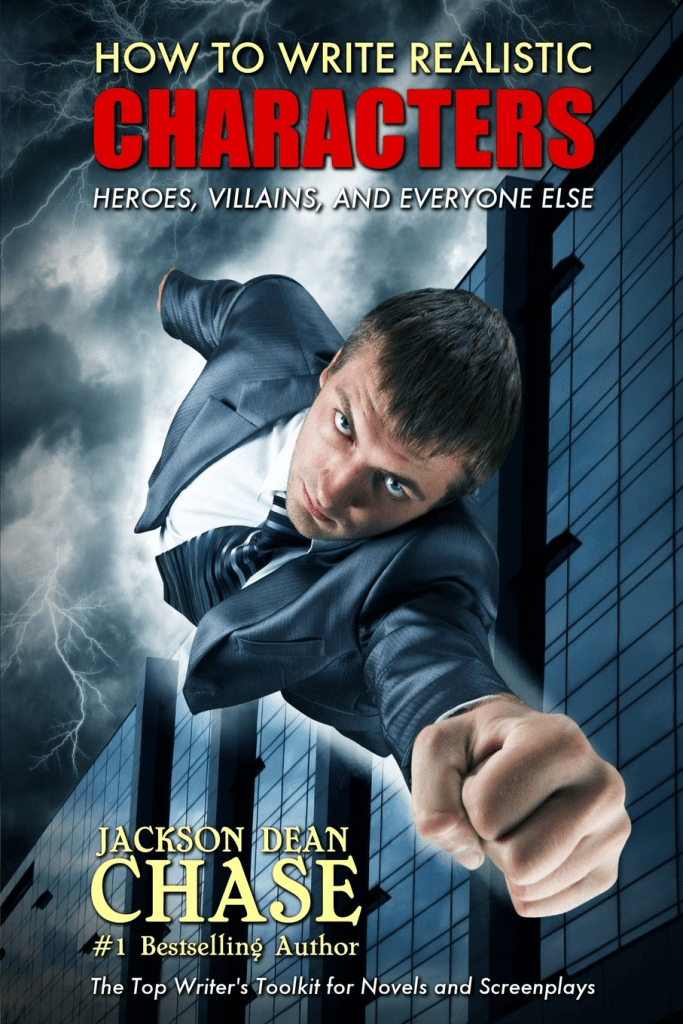
TL;DR
5/10. A short, forty-four-page beginner’s primer naming the basics of believable characters, motivation, distinct personality, consistent behavior. A serviceable quick orientation for an absolute novice, but too thin for anyone past that stage, oversold by its marketing voice, and quickly outgrown for the fuller character books available.
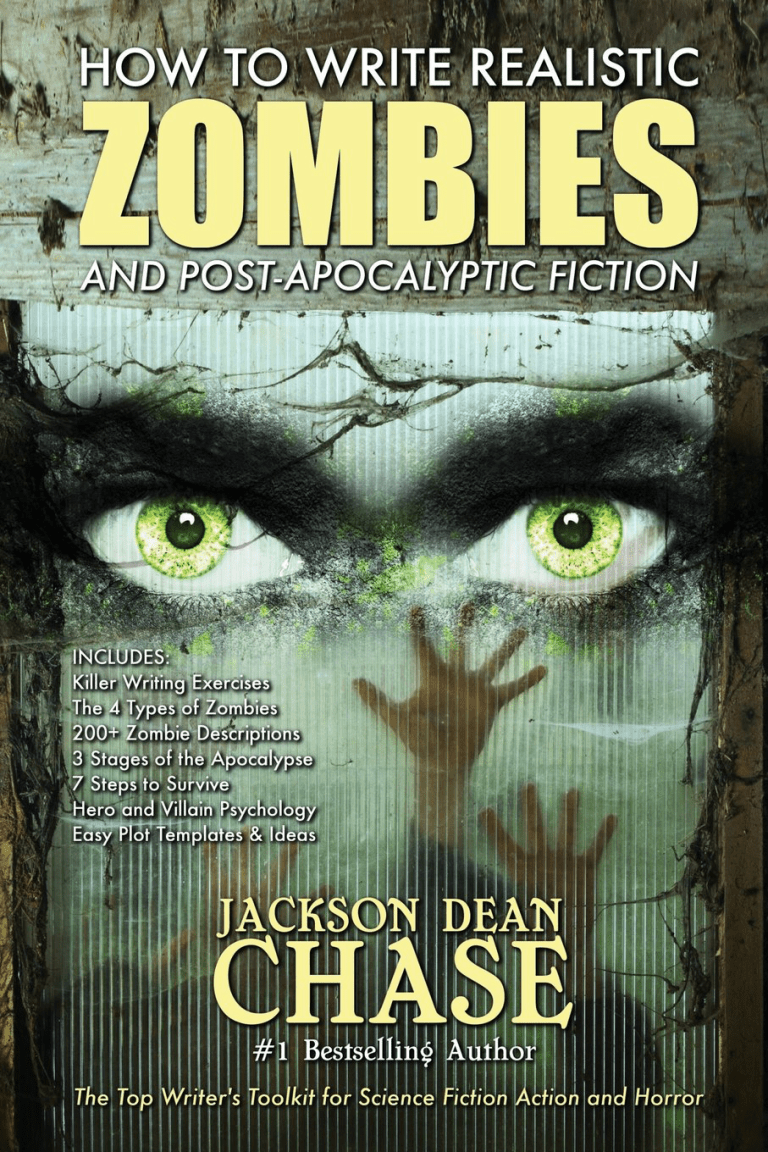
How to Write Realistic Characters by Jackson Dean Chase is a short instructional booklet, around forty-four pages, promising to teach the secrets of creating believable characters quickly. It belongs to a series of short, inexpensive, self-published writing guides. Like its siblings it’s best judged as what it is. A quick, condensed primer for beginners, instead of a developed craft treatment. Within those modest bounds it offers some real value. The hype is silly: forty-four pages can’t deliver the secrets of anything, and the pitch pretends otherwise.
The premise is sound. Believable characters are the foundation of engaging fiction, because readers who don’t believe in the characters don’t believe in the story. A focused short guide aimed at that one problem has a place for the right reader.
What a short primer can do
At its length the book can introduce the core principles of characterization.
The need for clear motivation. Distinct personality. Consistent behavior. The visible flaws and desires that make a character feel human, in a condensed, accessible form. For an absolute beginner who has never thought systematically about how characters are built, that quick orientation has real value: it names the elements and gets a new writer started thinking about them. The brevity that limits its depth also makes it approachable and fast to absorb, which for a true novice isn’t nothing.
Keep reading
A guide to character development: 8 steps to success: the character fundamentals this primer names, treated in working depth.
The limits of the form, and a quirk
The constraints are significant. At forty-four pages it can only sketch its subject, so any writer past the beginner stage will find it too thin, and the dedicated character books, the longer single-author treatments and the focused compilations, offer far more. The presentation also leans on the breathless marketing voice common to this kind of self-published guide, the promises of secrets and quick mastery. That’s a sales pitch dressed up as instruction, and it oversells what a short booklet can deliver.
There’s also a curious inconsistency: the series sometimes attributes its content to other names, which muddies the question of authorship, a small flag for a reader trying to assess the source’s authority. If I can’t tell who wrote a book, I can’t judge how far to trust it. None of this makes it useless, but it does cap its value.
Keep reading
Why your characters feel flat: psychology-first character development: the deeper character work a forty-four-page primer can only point toward.
What gets left out at this length
It’s worth being concrete about what a forty-four-page primer necessarily omits, because the gaps are exactly where real characterization gets hard.
The booklet can tell a writer that characters need motivation and consistency, but it’s no room to teach the harder skills: how to make a reader feel a character’s inner life instead of just hearing about it, how contradiction and inconsistency can make a character more human instead of less, how a character’s voice should differ from every other character’s, how backstory shapes present behavior without the writer dumping it on the page, and how a character changes believably across a story.
These are the things that separate a flat character from a living one, and they take a full book and a great deal of practice to absorb. The primer names the destination and then leaves you standing at the trailhead. A novice should treat it as a map’s legend, useful for knowing what the symbols mean, and then go find the actual map in a fuller treatment.
Is How to Write Realistic Characters worth reading?
It’s a serviceable beginner’s primer on characterization, useful as a quick, cheap orientation for an absolute novice who wants the core ideas named and made approachable. It gets a modest place because of its limits: at forty-four pages it can only introduce, its marketing voice oversells, and a writer past the beginner stage will quickly need the fuller character books.
For a true beginner wanting a fast first look it does a small job adequately; for anyone else it’s too slight to recommend over the deeper treatments available. Forty-four pages of named basics is a thin meal, and a beginner will finish it still hungry.
Explore the hub
The Writing Hub: character, craft fundamentals, and the rest of the writing life, gathered in one place.
Frequently Asked Questions
Other Books in the How to Write Realistic Fiction Series

Other Books From – Being an Author


About the author