Latest
How to Register a Copyright for Your Book (and What Doesn’t Count)Your AI Chats Aren’t Private: Deleted ChatGPT Logs in CourtI Joined the Science Fiction Book Club 30 TimesThe Board Seat Scam: A 419 Letter in a Business SuitCitations in a Memoir: Endnotes, Footnotes and Fair UseThe Stores That Still Care: Publix, Walmart, Aldi, Best Buy and the RestThe Grocery Store Plan: Why Every Store Starts With FlowersWinnie-the-Pooh’s 100th Birthday: A Century in the Hundred Acre WoodFree With a Fill-Up: How America Stopped Giving Things AwayAI’s Black Box Is Getting a Window. Somebody Still Has to Look Through It“It Stars C. Thomas Howell. No.” Why AI Gets Stuck in a LoopShould You Query or Self-Publish Your Memoir If You’re Not Famous?Judge the Writing, Not the Tool: What the AI Pile-Ons Get WrongThiago Ferreira: Thinkers, Not DoersYana Semova: Let AI Do the AdminLisa Hamilton-Smith: Unstoppable, AI AssistedJack Kerouac Day: The Scroll and the Last AddressTell a Fairy Tale Day: The Stories Everybody EditedKurt Vonnegut Day: The Book That Took Twenty YearsSuperman Day: The $130 Contract Behind the CapeHarry Potter’s Birthday: The Book Twelve Publishers MissedHarper Lee Day: The Draft Her Editor Saw ThroughMaya Angelou Day: The Dare That Became a MemoirInternational Literacy Day: The Readers Books LoseGene Roddenberry Day: The Pilot Who Pitched the StarsInternational Translation Day: The Invisible AuthorsRoald Dahl Day: Six Pencils and a Grudge Against Grown-UpsRaymond Chandler Day: The Novelist Who Started at FiftyElmore Leonard Day: Leave Out the Part Readers SkipEncourage a Young Writer Day: The Adult Who Read the PagesBack to the Future Day: The Script Where Everything Pays OffStephen King Day: The Daily Two ThousandZora Neale Hurston Day: The Ear She TrainedFyodor Dostoevsky Day: The Novels Written Against the ClockIan Fleming Day: Two Thousand Words a MorningEmily Dickinson Day: The Poems in the DrawerRobert E. Howard Day: The Texan Who Built ConanAlice’s Day: The Story Told on a Rowing BoatNational Library Lovers Month: The Building a Town Pays ForF. Scott Fitzgerald Day: The Masterpiece That FloppedNational Podcast Day: The Interview Is the Raw MaterialJohn Steinbeck Day: The Reporter Who Wrote the NovelElmore Leonard’s 10 Rules of Writing, and Which Ones I BreakShould Your Novel Have a Prologue? When a Cold Open Earns Its Place“People Who Use AI Deserve to Be Castrated”: When the Sentence Outruns the CrimeHow Famous Memoirs Were Really Written: What the Collaborators DidLifeOpen: An AutobiographyFlorida RoadkillAmerican Soldier

Category: Writing (Page 70)

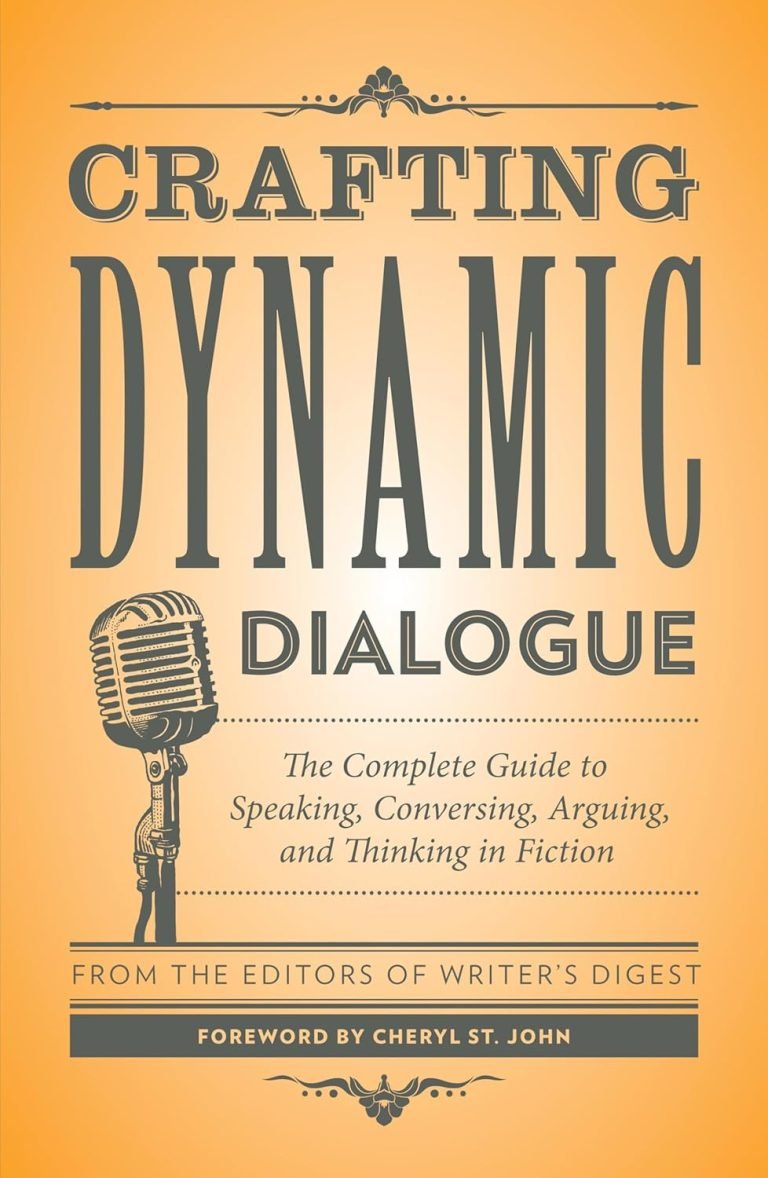
Crafting Dynamic DialogueFiction

Crafting Dynamic Dialogue

A compilation gathering many authors on dialogue, strong on subtext and character-revealing speech. The breadth is real value, but the anthology format trades a unified method for variety, the pieces repeat and vary in depth, and the synthesis is left…
READ MORE »

Creating CharactersFiction

Creating Characters

The pick of the Writer's Digest compilations, because it aims many strong contributors at a single element, character, producing depth through accumulation instead of the shallowness of the everything volumes. Strongest on motivation and interiority. The usual anthology unevenness applies,…

READ MORE »

Howdunit ForensicsFiction

Forensics

If a crime writer owns one forensics reference, this is probably the one: comprehensive, authoritative, and written by a physician who knows how to teach writers and correct the TV-forensics myths. The cornerstone of the Howdunit series, notably more current…

READ MORE »

The Book of PoisonsFiction

The Book of Poisons

Poison is the most literary of murder weapons, quiet, premeditated, often untraceable, and this is arguably the standard reference for it: substances catalogued with the symptoms, timing, and detectability that make a poisoning believable and turn poison into plot. Held…

READ MORE »

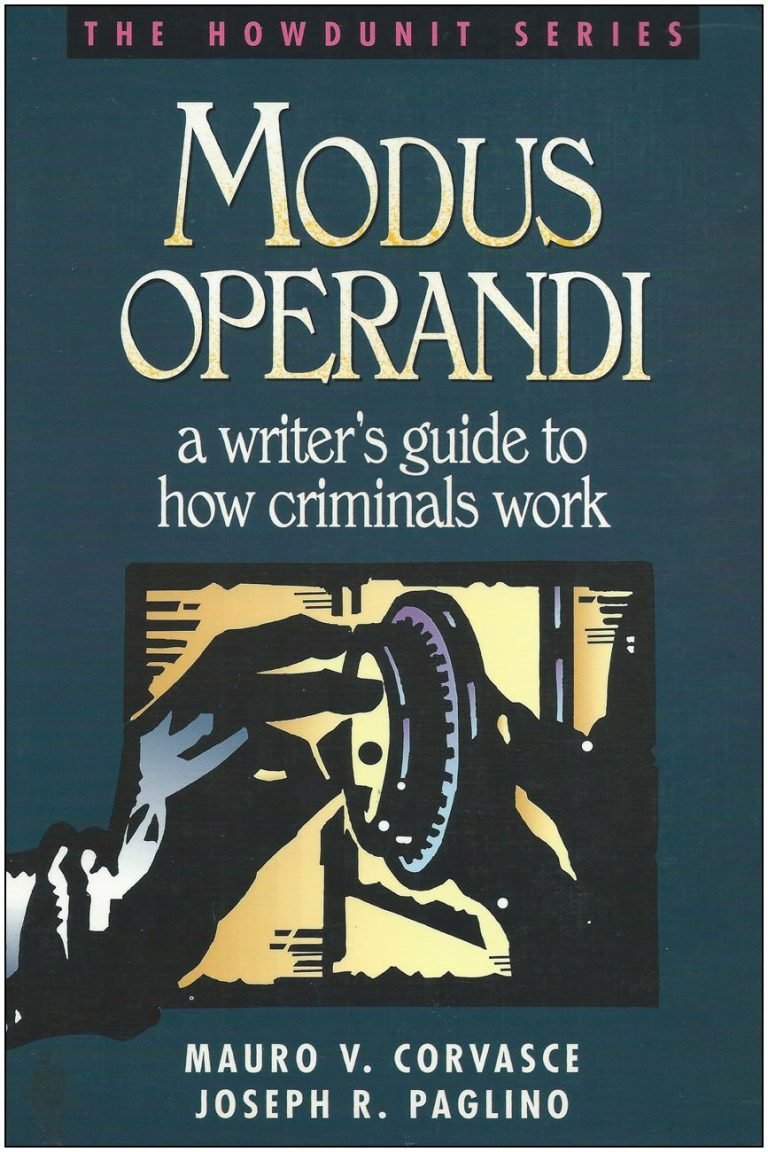
Modus OperandiFiction

Modus Operandi

A reference on how crimes are actually committed, the methods and patterns that lend mystery fiction authenticity, with the sharp angle that a criminal's method is both a character signature and a clue. The mid-1990s specifics are dated, and it…

READ MORE »

Malicious IntentFiction

Malicious Intent

A reference on the criminal mind: who offenders are, why they act, how they choose victims, and how police catch them, weighted toward psychology over forensics. Useful for grounding believable criminals and investigations, though the mid-1990s criminology is dated and…

READ MORE »

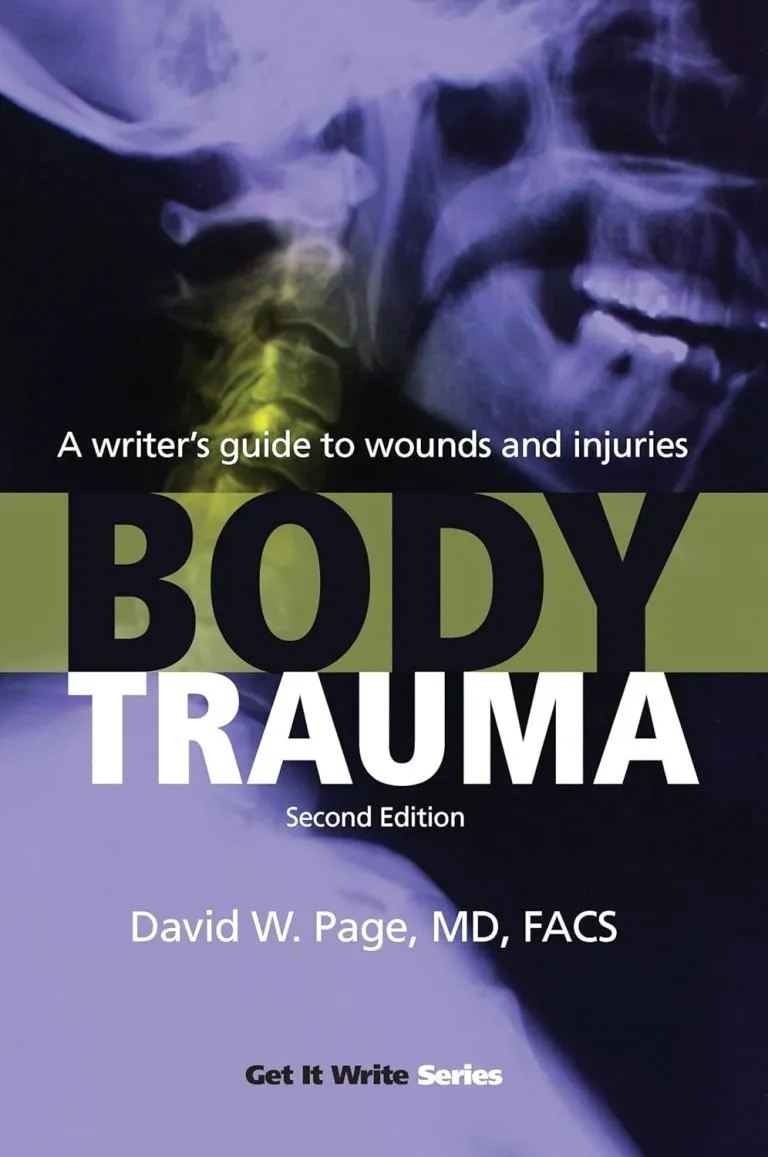
Body TraumaFiction

Body Trauma

When a character is shot, stabbed, or thrown from a car, what actually happens to the body, and how long do they have? A surgeon answers, with the treatment window and realistic odds of survival. Stronger than most crime references…

READ MORE »

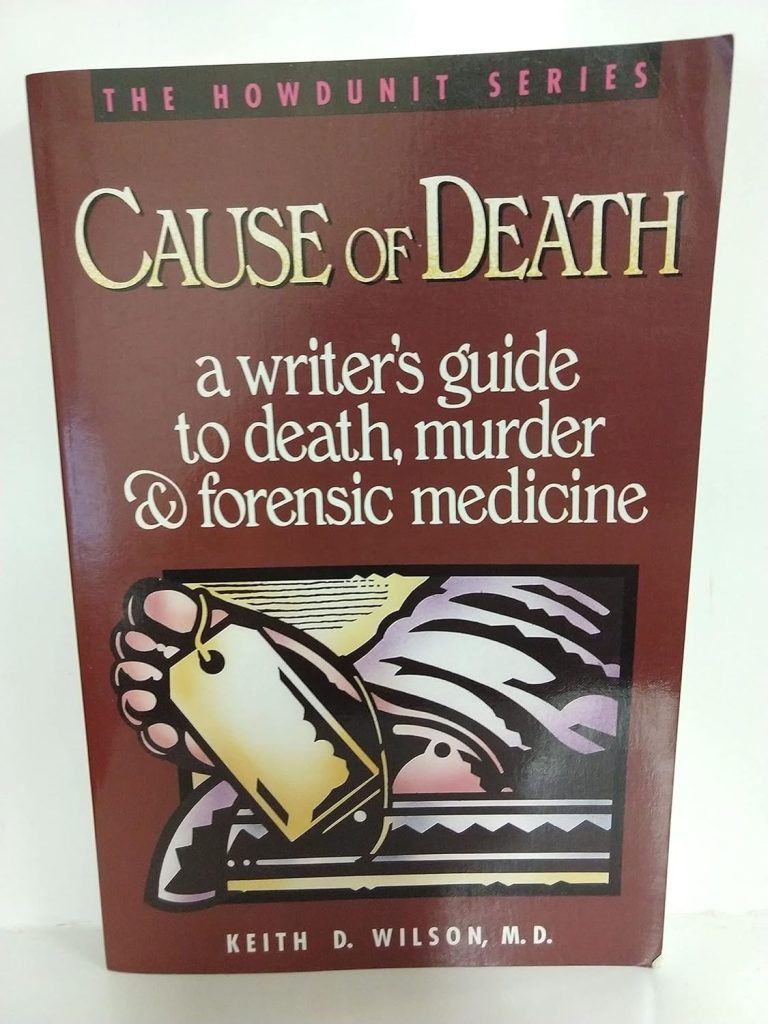
Cause of DeathFiction

Cause of Death

A physician's forensic reference on death, autopsy, and the procedures that follow, the companion to a wounding guide. Competent on the timeless basics, but its early-1990s detail is badly dated in a field transformed by DNA. A foundation to verify…

READ MORE »

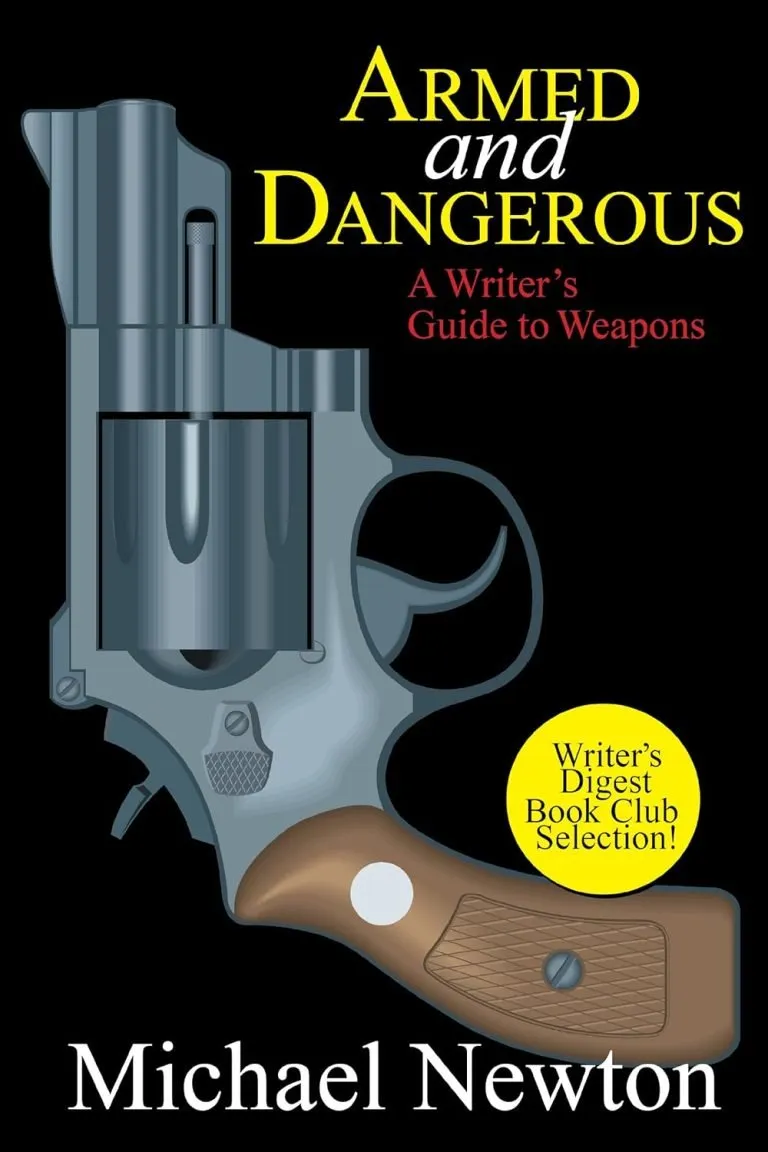
Armed and DangerousCritical Thinking

Armed and Dangerous

Get a gun wrong in a thriller and you lose the knowledgeable half of your readers on the spot. Newton's reference is sound on how firearms fundamentally work and which common mistakes betray a lack of research. The 1990 detail…

READ MORE »

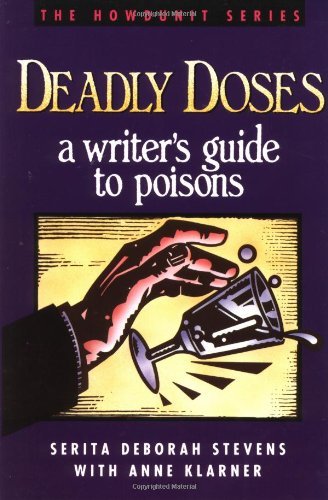
Deadly DosesFiction

Deadly Doses

A Howdunit reference for depicting poisoning believably, a verisimilitude tool for the mystery writer who wants a plot that convinces genre-savvy readers. The 1990 science is significantly dated in a fast-moving field, so verify every specific against current sources.

READ MORE »

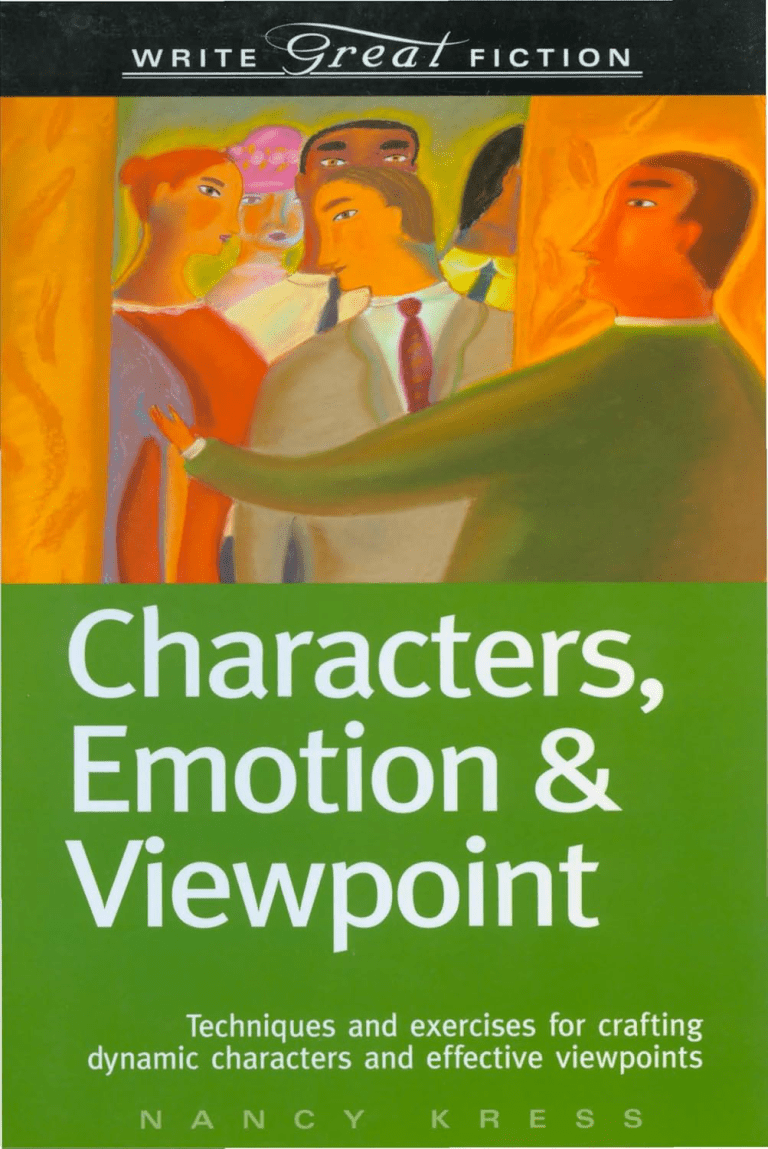
Write Great Fiction - Characters, Emotion & ViewpointFiction

Characters, Emotion & Viewpoint

Three linked skills, character, emotion, and viewpoint, built around the idea that fiction lets a reader live inside another mind. Kress is exceptional on point of view's close, middle, and distant distinctions, and smart on tying character to plot through…

READ MORE »

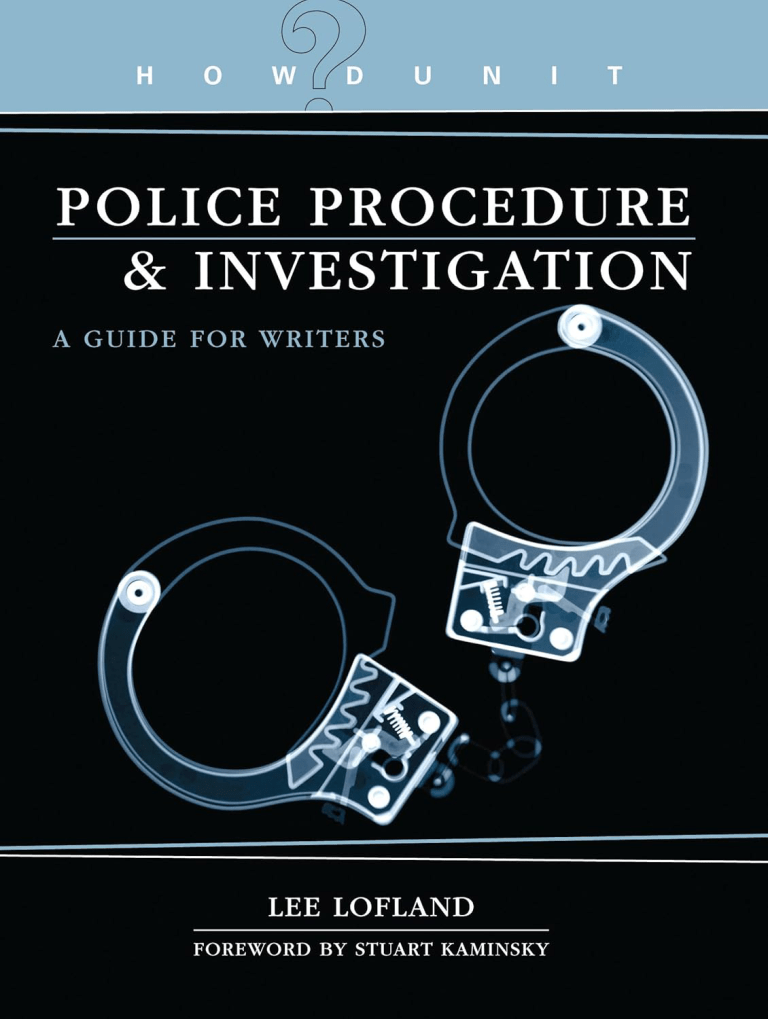
Police Procedure & Investigation: A Guide for WritersFiction

Book of Police Procedure and Investigation

Almost everything you think you know about police work came from television, and most of it is wrong. Lofland, a veteran investigator with a teacher's clarity, corrects the myths and captures the texture of real police work, not just procedure.…

READ MORE »