TL;DR
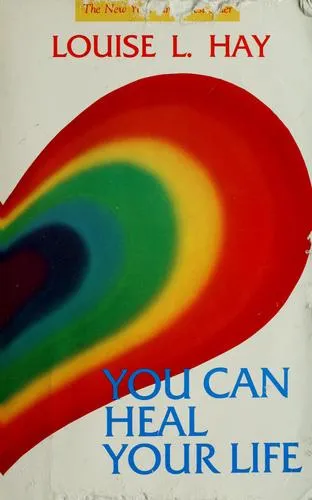
4/10. One of the best-selling self-help books ever written and the foundation of an entire publishing house. It contains a real insight about self-criticism and a claim about the causes of illness that I think does harm. Both need saying in the same review.
Hay’s argument is that thought patterns create physical reality, that resentment, criticism, guilt, and fear cause the majority of problems including disease, and that changing the thought changes the outcome.
The back of the book is a list matching specific ailments to specific emotional causes, with a corrective affirmation for each. Knee problems indicate stubborn pride and an inability to bend. Throat conditions indicate an inability to speak up. Cancer indicates deep hurt and long-held resentment.
It sold in enormous numbers, funded the founding of Hay House, which became one of the largest self-help publishers in the world, and is the direct ancestor of a great deal of what followed in the genre.
What is useful in You Can Heal Your Life?
The material on self-criticism, and I won’t pretend otherwise because it’s the reason the book found its audience.
Her observation that most people address themselves in a tone they’d never use with another person is correct, and it wasn’t widely said in 1984. The internal voice that calls you stupid twelve times a day would be intolerable coming from a spouse and passes unremarked coming from you. Her second point, that this voice is learned and not innate and can therefore be interrupted, is also correct and is the foundation of the cognitive therapy she was working alongside without much acknowledging. The mirror work is the practical version. Stand in front of a mirror, look at yourself, and say something approving out loud. Most people can’t do it, and the resistance is the information. Whatever comes up when you try is the thing worth examining, and you don’t need to accept any of Hay’s metaphysics to find that a useful exercise.
Watch: Louise Hay - You Can Heal Your Life - Full Audiobook, Mindset for Success
What is wrong with the illness claims?
They’re unsupported, and in application they’re cruel, and I’m not going to soften this.
Assigning an emotional cause to a specific disease isn’t a finding, it’s an assertion presented in a table. There’s no mechanism, no evidence, and no acknowledgement that the correspondences were arrived at by intuition.
The cruelty is in the logic. If disease follows from incorrect thinking, then a person who doesn’t recover has failed to think correctly. That places a burden on somebody already carrying a diagnosis, and I’ve watched it happen: a person with a serious illness being told, with love, by people who mean well, that they need to release their resentment.
Hay’s own account of curing her cervical cancer through these methods is unverifiable and is doing an enormous amount of persuasive work. It’s the credential the whole book rests on and there’s no way to check it.
A reader facing a frightening diagnosis is exactly the wrong person to hand this to, and is exactly who reaches for it.
Why did You Can Heal Your Life work?
Because it arrived at the right moment and because it answered a question nobody else was answering.
1984 was early in the recovery movement, before cognitive therapy had reached a general audience, and the language for talking about self-criticism wasn’t widely available. Hay supplied it, in accessible form, along with a set of practices people could do that evening.
She also worked extensively with people dying of AIDS in the mid-eighties, running support groups in Los Angeles at a time when very few people would go near them. That’s a real thing she did and it deserves stating alongside the criticism, because the audience she built came partly from being present when almost nobody else was. The book gave people something to do at a moment when medicine had nothing to offer. That’s why it spread, and it’s also exactly where the harm sits.
What should you take from You Can Heal Your Life?
The self-talk chapters, and nothing else. The claim that you can interrupt a lifetime of self-criticism is worth having and is available in better books that don’t also suggest your illness is your fault. Burns, Beck, and a good deal of the cognitive behavioral literature cover the same ground with evidence attached. If somebody you know is reading this book while well, it’ll probably do them good. If somebody is reading it while ill, the illness list is waiting for them, and that’s the conversation worth having.
Verdict
Take the self-talk chapters and leave the rest. Historically important, widely loved, and I wouldn’t give it to somebody who’s ill. The mirror work is a good diagnostic and the illness list is a mechanism for making sick people responsible for being sick. Both are in the same book and the second one has done more damage than the first has done good.
Explore further
The Psychology of Writing Hub: what drives creative work and what stops it.
Frequently Asked Questions
Other Books From – Self-Help