Latest
Billions for AI, Pennies for the Plumbing: AI Companies Should Pay to Keep PHP AlivePHP2Shell: AI Found a 22-Year-Old Crack Under Your Website in Two DaysPetrov Day: The Officer Who Didn’t Believe the ComputerKindle Unlimited Is Now Kindle+. AI Audiobooks Just Joined the BuffetMo Gawdat Says the AI Dystopia Starts in 2027. Read the List, Skip the DatesThe Society of Authors Signed an Ethical AI Charter, Then Ran From It in Eight DaysChina Is Using Bots to Fan the Data Center Backlash. The Backlash Is Still Real.When to Quit Writing a Book: I’ve Abandoned Dozens, and I’d Do It AgainGetty Images Filed for Bankruptcy. Can You Prove You Licensed Your Book’s Images?Fluff Words: Cut Them From Your Prose, Keep Them in Your DialogueWhere Can Writers Learn Storytelling From Movies? Richard Lowe Publishes 1,226 Film and TV Reviews With Writing Craft NotesWhere Are the Independent Bookstores and Public Libraries Worth Visiting in Tampa Bay? Author Richard Lowe Profiles 44 of ThemWhat Should You Know Before Hiring a Ghostwriter? The Writing King Publishes 57 New Answers, Including What to Do When It Goes WrongWhere Can You Hear Founders and Executives Tell Their Own Stories? Richard Lowe’s Leaders and Their Stories Publishes Every Unscripted Interview With a Full TranscriptAuthor Richard Lowe Publishes Eight Volumes of Enemies of You, a Researched Series on the Forces Working Against Ordinary AmericansThe Jackal (1997) ReviewThe Day of the Jackal (2024) ReviewYour First Novel Is an Apprentice Piece: What Beta Readers and Editors Can’t FixWhen the Cloud Gets Bombed: What the AWS Data Center Strikes Teach About BackupsHuman-Written Book Labels Are Gatekeeping With a FeeThe Enshittification of Microsoft Office: Why I Switched to a Free CloneGlobal Encryption Day: The Padlock Every Writer Depends OnWriting Your Worst Moments in a Memoir: Show the Evidence, Skip the VerdictHow to Register a Copyright for Your Book (and What Doesn’t Count)Your AI Chats Aren’t Private: Deleted ChatGPT Logs in CourtThe Board Seat Scam: A 419 Letter in a Business SuitI Joined the Science Fiction Book Club 30 TimesCitations in a Memoir: Endnotes, Footnotes and Fair UseThe Stores That Still Care: Publix, Walmart, Aldi, Best Buy and the RestThe Grocery Store Plan: Why Every Store Starts With FlowersWinnie-the-Pooh’s 100th Birthday: A Century in the Hundred Acre WoodFree With a Fill-Up: How America Stopped Giving Things AwayAI’s Black Box Is Getting a Window. Somebody Still Has to Look Through It“It Stars C. Thomas Howell. No.” Why AI Gets Stuck in a LoopShould You Query or Self-Publish Your Memoir If You’re Not Famous?Judge the Writing, Not the Tool: What the AI Pile-Ons Get WrongThiago Ferreira: Thinkers, Not DoersYana Semova: Let AI Do the AdminLisa Hamilton-Smith: Unstoppable, AI AssistedRobert E. Howard Day: The Texan Who Built ConanElmore Leonard Day: Leave Out the Part Readers SkipRoald Dahl Day: Six Pencils and a Grudge Against Grown-UpsEncourage a Young Writer Day: The Adult Who Read the PagesStephen King Day: The Daily Two ThousandZora Neale Hurston Day: The Ear She TrainedTell a Fairy Tale Day: The Stories Everybody EditedAlice’s Day: The Story Told on a Rowing BoatSuperman Day: The $130 Contract Behind the CapeNational Podcast Day: The Interview Is the Raw MaterialRaymond Chandler Day: The Novelist Who Started at Fifty

Louise Hay

Louise Hay

Louise Lynn Hay was born in Los Angeles in 1926 into poverty and reported an abusive childhood, leaving home at fifteen and working as a waitress before moving to New York, changing her name, and working as a fashion model.

She encountered the Church of Religious Science in the 1970s, trained as a practitioner, and began counselling. Her first book, Heal Your Body, appeared in 1976 as a small pamphlet listing physical ailments alongside proposed emotional causes and corrective affirmations.

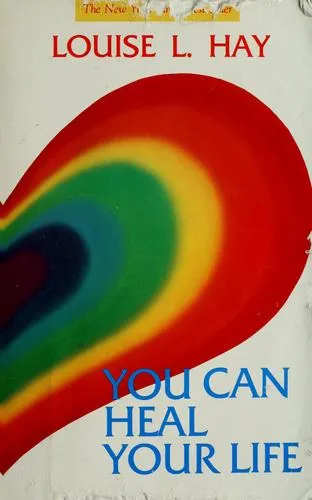
You Can Heal Your Life, published in 1984, expanded that material into a full book and became one of the best-selling self-help titles ever published, with tens of millions of copies sold. Its argument is that thought patterns create physical reality, that resentment, criticism, guilt, and fear underlie most problems including disease, and that affirmations correct them. Hay's own account of curing cervical cancer through these methods is the credential the book rests on and is not independently verifiable.

She founded Hay House in 1984 to publish the book, and it grew into one of the largest self-help publishers in the world, carrying Wayne Dyer, Doreen Virtue, and a substantial catalog of related authors.

The material on self-criticism is the part of her work with genuine value. Her observation that people address themselves in a register they would never use with another person was correct and was not widely said in 1984, and the mirror exercise functions as a diagnostic regardless of what a reader makes of the metaphysics.

The illness claims are unsupported and, applied to somebody who is ill, place responsibility for the outcome on the patient. She also ran support groups for men dying of AIDS in Los Angeles in the mid-1980s, at a time when very few people would go near them. She died in 2017 at ninety.