TL;DR
6/10. A specialized vocabulary reference for romance and erotica authors, addressing the craft problem of finding varied, tonally right language for intimate scenes. A practical palette for working genre authors, held to the middle by being narrow, supplying vocabulary instead of scene craft, and rewarding disciplined over mechanical use. A capable specialist resource.
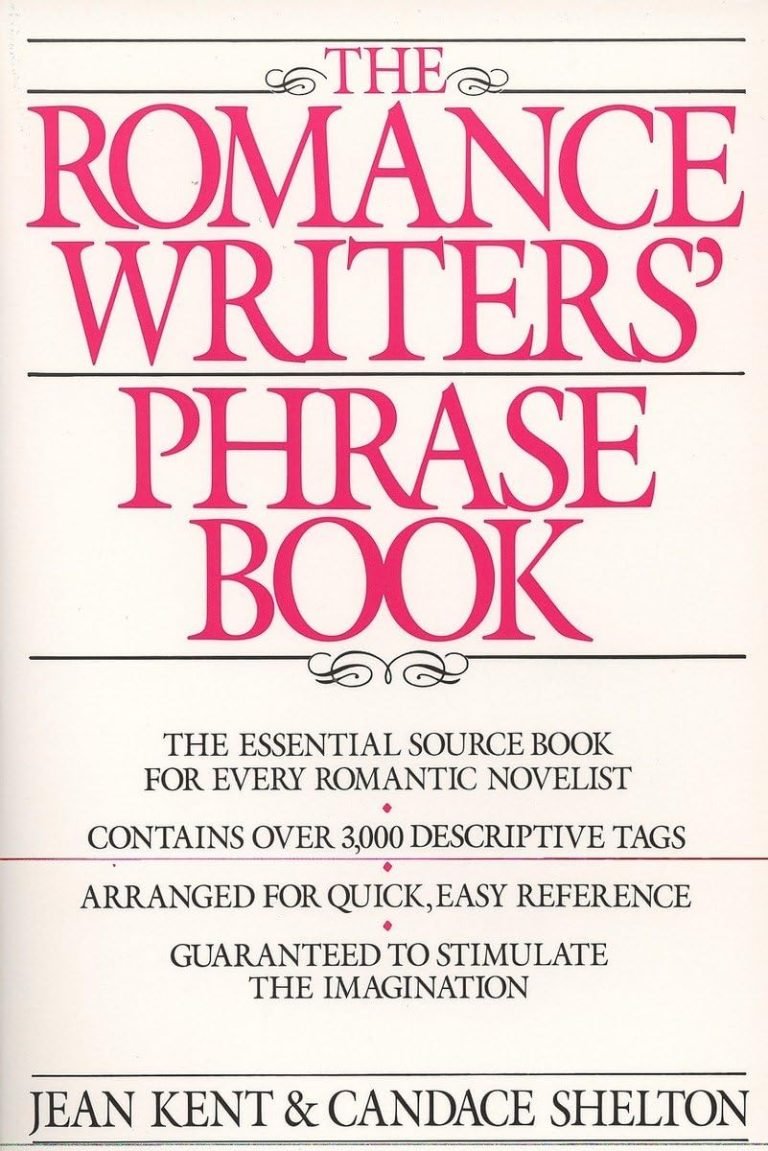
Naughty Words for Nice Writers by Cara Bristol is a specialized vocabulary reference for romance and erotica authors, a practical word and phrase resource for writing intimate scenes. It addresses a real problem in the genre. Finding language for sex and the body that’s varied, effective, and tonally right. It’s to avoid clinical coldness and unintentional comedy at the same time.
As a focused professional tool for writers in a popular and demanding genre, it serves a real purpose, and like any word reference it’s best understood as a resource to draw on with judgment instead of a substitute for craft. Writing intimate scenes well is one of the hard technical challenges in romance. A vocabulary that repeats itself or strikes the wrong note sinks an otherwise strong scene. So a reference aimed squarely at the problem has a real place.
A real genre problem
The difficulty the book addresses is concrete. Romance and erotica ask writers to handle intimate content repeatedly and effectively. The available vocabulary is a minefield. Too clinical and the scene goes cold.
Too euphemistic and it turns purple or absurd, too repetitive and it becomes monotonous. A reference of words and phrases, organized by category, gives a writer a wider palette to draw from and a tool for varying language across many scenes without falling into the same handful of terms.
For a working romance author producing intimate content on a regular basis, that practical vocabulary support addresses a real, recurring craft need.
Keep reading
Writing romance that earns its emotional and physical beats: the intimate-scene craft this vocabulary supports, in the wider work of romance.
Watch: Naughty Words for Nice Writers with Cara Bristol - Get My Book Out There Podcast #20, Get My Book Out There
Vocabulary as a starting point
As with any word reference, the right use is as raw material instead of a crutch. The book supplies options. The craft is choosing the words that fit this scene, these characters, and the tone the author is building, then working them into prose that flows.
A writer who pulls terms mechanically off a list produces the same generic intimate prose as everyone else using the book, while one who treats it as a palette to inform their own fresh choices benefits from the wider range without sacrificing voice. The discipline, as always with these references, is the writer’s; the book only provides the menu.
Keep reading
Finding your voice: making borrowed vocabulary your own: the case for shaping any word reference into language that’s yours.
What should you know before reading Naughty Words for Nice Writers?
A few honest notes. It is, by definition, a narrow specialist reference, valuable to romance and erotica authors and irrelevant to writers in other genres. That’s simply the nature of a focused tool. It’s a vocabulary resource, not a guide to writing good intimate scenes, the larger craft of pacing, emotion, character, and tension that makes such a scene work is elsewhere, and this only supplies one piece of it, the words. And as with any list reference, its value depends entirely on disciplined use.
Within its lane, for the author who needs it, it does a focused job well; outside that lane it doesn’t apply.
Is Naughty Words for Nice Writers worth reading?
It’s a useful, focused vocabulary reference for romance and erotica writers, addressing the real and recurring craft problem of finding varied, tonally right language for intimate scenes. It has a solid place within its specialty, held to the middle by the inherent limits of the form: it’s narrow, it supplies vocabulary instead of the larger craft of the scene, and like any word list it rewards disciplined use and punishes mechanical use.
For a working author in the genre who wants a wider palette to draw on, it’s a practical tool; for anyone outside it, it’s simply not their reference. A capable specialist resource, fairly judged within its niche.
Explore the hub
The Writing Hub: genre craft, vocabulary, and the rest of the writing life, gathered in one place.
Frequently Asked Questions
Other Books From – Writing and Language