
“I’ve never told anybody the whole thing. Not my wife. Not anybody.”
A man in his forties said that to his ghostwriter on the first call. He survived a house fire as a boy, and his younger brother didn’t. He’s built a good life since, and he wants to finally tell the story, for his kids and for anyone carrying something like it alone. He’s also terrified of opening that door with a stranger listening.
He’s a composite, with the details changed, but the fear is real, and it’s reasonable. Trauma lives in the body, and telling it can bring back the feelings along with the facts. The good news is that a trauma memoir can be written safely, with the right support and a ghostwriter who follows instead of leading.
I treat these books with more care than almost anything else I write. Somebody handing me the worst day of their life is trusting me with a thing they’ve guarded for decades, and if I rush them or treat their pain as good material, I’ve hurt them in the name of a book. No chapter is worth that, and I’ll give up a deadline before I push someone past what they’re ready to say.
What is it like to tell your trauma story to a ghostwriter?
It’s slower and gentler than most people expect. A careful ghostwriter doesn’t start with the worst moment. They start with the life around it: where you grew up, who mattered to you, what ordinary days looked like. That builds trust and context, and it lets you approach the hard material gradually, on your terms.
When you reach the difficult parts, the ghostwriter follows your lead. They’ll ask open questions and wait through long silences. They’ll notice when you’re struggling and offer a break. They won’t push for details you haven’t offered. Many people say afterward that it felt less like an interview and more like finally being heard.
An interviewer who treats a survivor’s worst memory like a scoop does damage twice. Pushing for graphic detail makes a worse book, and it costs the person who relived it a rough week and their trust in you, right when the book needs that trust most. It can also be hard. You may feel shaky or exhausted after a session, or find the memories following you around for a day or two. That’s a normal response to revisiting something painful, and it’s one reason to have support in place.
Who controls the pace of trauma interviews with a ghostwriter?
You do, completely. You decide when to approach the hard material, how long a session lasts, when to stop, and when to come back. You can skip a topic and return to it weeks later, or never. You can end a session after five minutes. None of that needs explaining.
An interviewer who treats a survivor’s worst memory like a scoop does damage twice.
One of my clients needed four interviews to tell me about the abuse he survived as a boy. Each time he got a little further, stopped when he needed to, and we moved to something else until the next session. That pace was his, and the chapter was better for it.
If you know a session will cover something hard, say so beforehand. Your ghostwriter can plan a shorter session, put the difficult part in the middle so you don’t end on it, and leave time afterward for something lighter. My article on what happens if you cry during a session covers what that looks like.
What if I can’t tell my ghostwriter what happened out loud?
Then you don’t have to. Many trauma survivors find it easier to write the hardest parts privately, record them alone, answer written questions, or describe events in the third person. Some tell the ghostwriter only that something happened and let the book acknowledge it without describing it. My article on what to do when a story is too painful to say out loud covers each of those options.
What stays off the page in a ghostwritten trauma memoir?
Whatever you decide. You choose what goes in the book, and you approve every page before publication. You can share something with your ghostwriter so they understand your story, and still keep it out of the manuscript. You can change your mind about any section until the book is published.
I won’t put anything into a trauma memoir the author hasn’t approved, and I’m as willing to argue for cutting a scene as for keeping one. A detail that feels necessary in a first draft can read like an exposure a year after publication, and the author is the one who has to live with it, at family dinners and in every conversation about the book.
Other people’s privacy matters too. If your story involves an abuser, family members or others who are still alive, your ghostwriter will help you think through what to include, how to describe them and whether to change names. A lawyer should review anything that makes a factual claim about a real person before publication. My article on writing about family without a lawsuit covers that side.
Should a therapist be involved in a ghostwritten trauma memoir?
Yes, if at all possible. A ghostwriter is a skilled, careful listener, and a good one knows how to create a safe space for a hard story. A ghostwriter isn’t trained to help you process trauma, manage what comes up, or support you through a crisis. A therapist or counselor is.
Many authors keep seeing their therapist throughout the project. Some bring drafts to therapy sessions. Some talk with their therapist before starting about whether now is the right time. Your therapist doesn’t need to be part of the book. They need to be part of your support while you write it.
I’m a ghostwriter, and I’m careful never to act like anything more in those sessions. When a client needs more than a listener, the right move is to say so and slow down. A writer who plays counselor to keep a book on schedule has put the manuscript ahead of the person, and that’s a trade I won’t make.
If you’re ever in crisis during the process, stop the book and contact a mental health professional or a crisis line in your area. The book can wait as long as it needs to.
Can a ghostwritten trauma memoir help me heal?
Many people say it does. Telling the story in full, in order, to someone who listens without judgment can help an experience feel finished, something that happened in the past instead of something still happening. Seeing it on the page, in your own voice, can give you a sense of ownership over it. And knowing the book might help someone else carrying the same thing can give the pain a purpose.
It isn’t a substitute for professional care, and it isn’t the right step for everyone at every moment. If the process starts making things worse, pausing is the right call. My article on putting a ghostwriting project on hold explains how.
How do I find a ghostwriter who can handle a trauma story?
Ask directly on the first call whether they’ve worked on trauma memoirs and how they approach the interviews. Listen for patience, flexibility and respect for your control over the pace. Be wary of anyone who seems eager for dramatic details, promises a timeline that doesn’t allow for pauses, or brushes off the idea of therapy.
Somebody who’s eager for the lurid parts is writing for strangers. The author pays for it with a book they can’t bear to open, about the one thing they most wanted to get right, and I think that’s about the worst thing a writer can do to a client.
Pay attention to how you feel during that first conversation. You should come away feeling heard and unhurried. Trust matters more in this kind of book than in any other. My article on trusting a ghostwriter with what you tell them covers how to test it.
My take
You stay in control of this book, or it shouldn’t be written yet. Set the pace, decide what goes on the page, and stop whenever you need to. Get a therapist in your corner before the first interview. On that first call, watch for a writer hungry for the lurid details. That person is writing for strangers, and you’d end up with a book you can’t bear to open.
What should you have in place before telling a ghostwriter about trauma?
Before you start, have a therapist or counselor you can call and a plan for the hours after a hard session.
Get a confidentiality agreement with your ghostwriter and a clear understanding that you set the pace, can stop any session, and approve every page before anything is published. Then give yourself permission to leave the hardest part out. I’d take a memoir that keeps one door closed over one that cost its author months of their health, and any writer who disagrees shouldn’t be anywhere near your story.
If you’re considering a memoir that includes trauma, the Book Discovery Intensive is confidential and unhurried, and my memoir ghostwriting page covers how I work on life stories. If you’re ever in crisis, stop and reach out to a mental health professional or a crisis line first. The book will wait. How a full project is paced is on my ghostwriting services page.
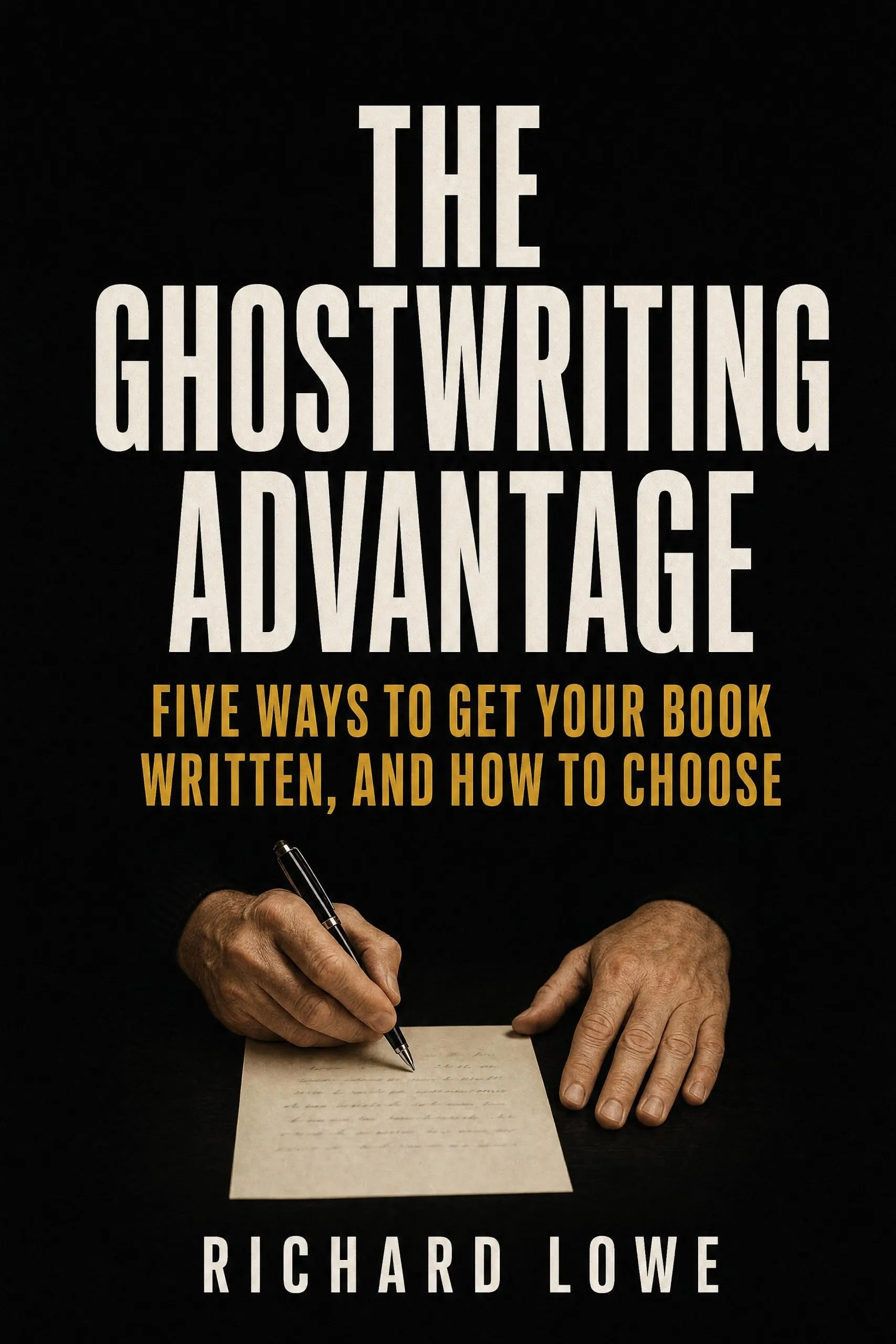
Control is easier to keep when you know how the process works. The Ghostwriting Advantage is my guide to getting your book written for you, from the first interview to the finished page.
