
Every book I write has dates attached to it. The contract says what’s due, and my clients know where we stand at every stage because the chapters arrive one at a time and the status is never a secret.
That’s how it should work.
Unfortunately, plenty of clients hire a writer who works another way. I take over books that one to three earlier ghostwriters worked on, and a common reason is a writer who missed the schedule.
A missed deadline should never be a surprise. Your ghostwriter knows weeks ahead when a chapter is running late, and you deserve to know it just as early. If the first you hear of a problem is the silence after the due date, your ghostwriter has a communication problem, and you need to have that conversation before you talk about anything else. I miss a deadline myself once in a while. My clients tend to trust me anyway, because I tell them. I’m going to miss this one, or I missed that one, sorry.
A book deadline carries more weight than most people admit when they sign the contract. Nobody hires a ghostwriter on a whim. There’s a keynote on the calendar or a parent whose memory won’t hold for another year, and the finished book is supposed to arrive in time for it. When the date slides, the book misses the moment it was written for, and no revised schedule gets that moment back.
A schedule with obligations on only one side isn’t a schedule anyone can hold to.
The ghostwriting trade has no licensing board and no standard contract, so anyone with a website can promise a finished manuscript by spring. The people hurt worst are first-time authors, who have no idea how long a book takes and no way to tell whether a schedule is fantasy. A missed schedule is a common reason a half-written book lands on my desk. By then the client has lost months and most of their faith in the process. Protection starts with the paperwork you sign on day one.
What should a ghostwriting contract say about deadlines?
The contract should say what the deadlines are. That sounds obvious, and plenty of contracts still leave it vague, with a phrase like “approximately six months” and no dates in between.
You want the milestones written down: when the interviews happen, when the outline is due, when each chapter or group of chapters arrives, and when the full draft is complete. You also want the other side of it, the dates you owe the writer, such as when you’ll review a chapter and send comments back. A schedule with obligations on only one side isn’t a schedule anyone can hold to.
Ask what happens when a date slips. Does the contract require written notice of a delay? Is there a grace period? Does a missed milestone pause payment? A contract that answers those questions before anything goes wrong saves you an argument later. My article on reading a ghostwriting production schedule covers what a realistic schedule looks like and what the dates tell you before you sign.
Scope belongs next to the dates. My contracts set an “up to” word count for pricing, and the schedule assumes a book of roughly that size. If the book grows well past the number, the dates move with it, and both of you should see that coming in writing before anyone calls it a missed deadline.
Be realistic about the length, too. A book built from interviews takes months. My article on how long ghostwriting takes explains why the calendar depends on more than word count. A writer who promises a finished book in a fraction of that time is setting up the deadline they’re going to miss.
Why would a ghostwriter miss a deadline?
A new reason every week, and the manuscript never moves. Excuses invented, mostly.
Writers miss dates for a handful of reasons, and only some of them are the writer’s fault.
Overload comes first. A ghostwriter who takes on more books than the calendar holds will fall behind on somebody’s. I take six to eight clients a year and work on several books at once, each at a different stage.
A writer who says yes to everyone has already decided whose book waits.
Money is another. Some of the rescue projects I’ve taken came to me after the previous writer wanted more money partway through. A writer who stalls the work until a new number gets approved is holding your deadline hostage, and I think that’s contemptible.
Then there’s the book itself. Some chapters are harder to write than planned. A story turns out to need another interview, or a chapter you thought was simple turns into three.
Those delays are honest ones, and a good writer flags them the week they appear.
The writer’s own life can get in the way as well. Illness and family emergencies happen to ghostwriters like anyone else. A writer who tells you about it promptly is behaving professionally. A writer who hides it until the date passes is not.
Can a client cause a ghostwriter to miss a deadline?
Yes, and before you blame the writer, look at your own side of the calendar.
Clients disappear mid-book more than anyone would guess. The interviews are going well, and then the emails stop. My contract puts a project on hold after thirty days without contact and treats it as abandoned after sixty. The problem is common enough to deserve its own clause, and every week a client goes quiet pushes every date after it.
Smaller delays add up just as surely. A canceled interview pushes the chapters built from it. A chapter that sits unread for three weeks holds up the next one, because I revise as I go and use your comments on one chapter to shape the next. A new story added late means a new interview and a new draft, and it has to find a place in a structure that was already built.
So check the record before you send an angry email. Did you cancel sessions or sit on a draft for weeks? Did you add material the schedule never planned for?
If you did either, the new date is a shared problem, and the fair move is to reset the schedule together.
A missed deadline should never be a surprise. When it is, your ghostwriter stopped keeping you informed weeks before the date arrived. – Richard LoweShare on X
What should I do when my ghostwriter misses a deadline?
Talk to them, by phone or video if you can, and talk about communication before you talk about the date.
Ask three things. Where does the book stand today, chapter by chapter? What caused the delay? When will the missing work arrive? Get the answers in writing afterward, in an email that restates the new date, so both of you are working from the same record.
Then address the surprise. If you didn’t know the deadline was in trouble until it passed, the writer hasn’t been keeping you updated on status. Say so directly. Tell them you expect to hear about any delay the week it appears. Then agree on a status update every week or two for the rest of the book. A professional will accept that without argument, because it’s what they should have been doing from the start.
I set that expectation before any contract gets signed. On the first call I tell every prospect that we’re going to be in a relationship for months and we’re two adults. If either of us has a problem, we say so. If I’m running behind, you hear it from me. If you’re going to be unreachable for three weeks, I expect to hear about it from you. A deadline conversation is a lot easier between two people who agreed on day one to tell each other bad news early.
Don’t let a single miss turn into a war. A book runs for months, and one late chapter with a straight explanation and a firm new date is recoverable. What you’re watching for is how the writer handles the conversation. A writer who owns the miss and delivers on the new date is worth keeping. A writer who gets defensive and hands you another vague promise is telling you how the next deadline will go.
Should I accept a new deadline from a ghostwriter who missed one?
Accept it if it comes with a reason you believe and a checkpoint before the new final date.
A new date on its own is a promise, and you’ve already watched one promise slip. Ask for something you can see in between: a chapter in two weeks, or part of the missing section before the rest. If the checkpoint arrives on time, you’ve got evidence the new schedule is real. If it doesn’t, you’ve learned that inside two weeks instead of two months.
Make sure the new date accounts for everything that pushed the old one. If your ghostwriter blames the delay on stories you added late, the new date has to include the added scope, priced and scheduled. My article on asking a ghostwriter to write more than you contracted for covers how to handle growth in the book without wrecking the calendar.
And keep your side of the new schedule. You’ve asked the writer to deliver on a date. You owe them interviews that happen when booked and comments that come back within the window you agreed on. A client who resets a deadline and then sits on the next draft for a month has handed the writer the next excuse.
How should a ghostwriter keep me updated on the book schedule?
Chapter by chapter, and in writing.
I deliver chapters as they’re written. The client reads each one, sends comments, and the next chapter reflects what we learned. That rhythm makes the schedule visible. If a chapter is late, you know within days, and if the book is on track, you can see it on the page.
Every session I run is recorded, and a summary document from each one goes to the client. Between the summaries and the delivered chapters, a client of mine never has to guess where the book stands. Ask for something similar from any ghostwriter. A short status note every week or two covering what was finished and anything that threatens a date is enough. It takes a writer ten minutes. My article on setting expectations with your ghostwriter covers how to agree on that rhythm before the work begins.
A writer who resists regular updates and promises the whole manuscript at the end is asking you to trust a schedule you can’t see.
You wouldn’t accept that from a contractor building your house.
Can I withhold payment when a ghostwriter misses a deadline?
It depends on how the contract ties payment to work. I bill monthly or by milestone, and the two structures handle a missed date differently. The monthly schedule keeps me on track as well. One of the worst positions I can be in is still writing the book after the payments have stopped, so the schedule gives me a reason to stay ahead.
With milestone billing, payment follows delivery. If the chapter or section that triggers the next payment hasn’t arrived, the payment isn’t due yet. That’s the cleanest protection a client has, and it’s one reason milestone structures suit clients who worry about schedule. My article on monthly versus milestone ghostwriting billing compares the two.
With monthly billing, you’re paying for the writer’s time on your book, and a late chapter doesn’t pause the invoice by itself. If the work has stalled completely, raise it in writing before the next payment date and ask what the month’s work produced. Don’t make a habit of paying for months in which nothing moved forward.
Whatever the structure, don’t stop paying without saying why. Put the reason in writing, tie it to the contract’s terms, and state what you need to see before payment resumes. If a large sum is involved and the writer disputes it, talk to a lawyer about the contract before you escalate.
My take
Missed deadlines are a communication failure first. A working ghostwriter tells you the date is slipping before it slips. Ask for a written status and a new date, and check whether your own delays caused it. Under milestone billing, the payment waits for the work. One slip with a straight explanation is forgivable. A pattern of silent misses means you replace the writer.
When is a missed deadline a reason to fire a ghostwriter?
When it’s a pattern, and when the pattern includes surprises.
One late chapter with an explanation is a normal part of a months-long project. A second miss after you’ve agreed on status updates tells you the writer either can’t manage the schedule or won’t tell you the truth about it. Either way, you’re funding a book you can’t see progress on, and that doesn’t improve by waiting. How often a writer misses is only half of it. What got missed matters too. A chapter a day or two late probably isn’t important, but a slip on a critical-path item is serious.
Also watch for a missed date followed by a demand for more money before work resumes. That’s one of the patterns behind the rescue projects I take on, and I have no sympathy for a writer who holds a client’s book hostage over a renegotiation the contract never allowed for.
Before you fire anyone, weigh what’s left. A writer who’s missed one date on the last two chapters of a book that sounds exactly like you is worth a firm conversation and a short extension. A writer who’s missed three dates and still hasn’t delivered chapter four is costing you more every month you wait.
You know which of those you’ve got.
If you decide to end it, give written notice under the contract’s termination terms, pay for the work you’ve received, and ask for every draft, outline, transcript and recording. My article on how to fire a ghostwriter mid-project without losing the manuscript walks through the exit. A new writer with the full file can finish the book, and a candid account of the missed dates will help them set a schedule you can trust.
If your ghostwriter has missed a date, get them on the phone this week, ask where every chapter stands, and agree on how you’ll hear about the next delay before it happens. The Ghostwriting Hub has the rest of the contract and process guides, and my ghostwriting services page lays out how I schedule and deliver. The date on your contract should be the date your chapters arrive, and you should know weeks ahead if it isn’t.
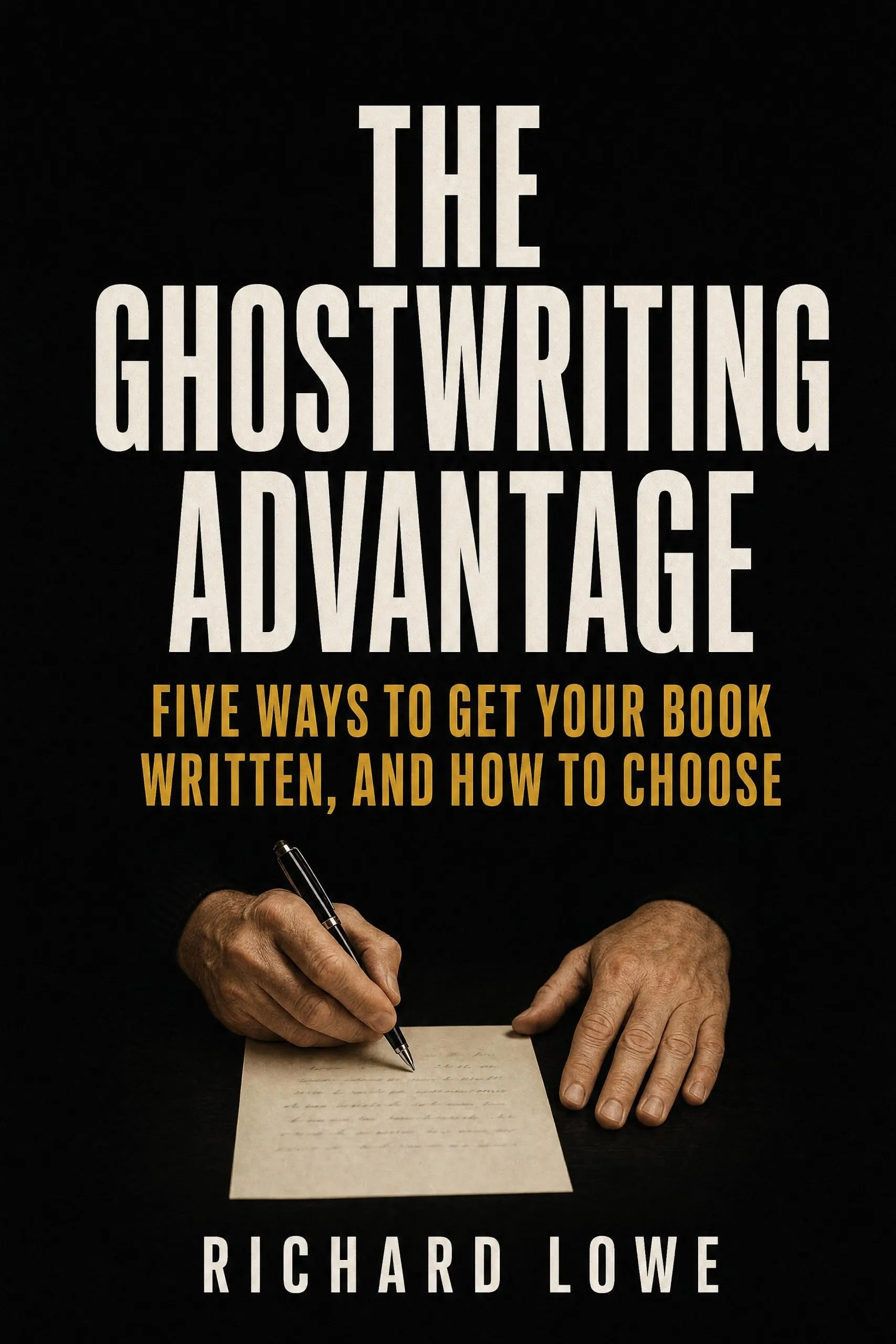
Deadlines hold when the process is clear from the start. The Ghostwriting Advantage explains how to get your book written for you, so you know what a steady schedule looks like.
