
My contracts set an “up to” word count, such as up to 40,000 or up to 60,000 words. The number exists so we can put a price on the book, and no book of mine has ever come in significantly short of it.
Growth is the opposite problem, and I want it on the table early, before it sours a good project. If a book needs to run longer, that’s a change order, with the extra cost agreed before the extra chapters get written.
Books grow in the middle, and they should. A restaurateur signs for fifty thousand words, and halfway through the interviews the stories keep coming: the health inspector, the chef who quit on opening night, the year he almost sold everything. (A composite, drawn from several clients, with details changed.) Every one of those stories is worth considering. What causes trouble is adding them without anyone saying out loud that the book just got bigger.
Can I add chapters to my ghostwritten book after we start?
Yes. It’s your book, and new material can make it better. A founder remembers an important deal. A memoir author decides the story needs the years after the divorce too. A consultant realizes the framework needs one more step.
Adding material means adding work, though. More interviews, more research, more drafting and more revisions all take the ghostwriter’s time, and the original fee was calculated around the original scope. So treat an addition as a change to the agreement, and settle it before the writing starts.
I like it when a book grows. It means the interviews are working and the client has started remembering things they’d set aside for years. What I don’t like is finding out three chapters later that we each assumed something different about who pays for them.
What is a change order in a ghostwriting contract?
A change order is a short written agreement that modifies the original scope. For a ghostwritten book, it spells out:
- ► What’s being added: chapters, word count, research or additional interviews.
- ► The additional fee, or confirmation that the addition is absorbed in the existing fee.
- ► How the schedule changes, including the new delivery date.
- ► Any changes to the payment schedule.
Both sides sign it before the extra work begins. It takes ten minutes and prevents months of misunderstanding. A good statement of work makes change orders easy, because it defines the original scope clearly enough that everyone can see what’s being added.
Once we have an approved outline, a style and a word count, those become the scope of work. If we agreed on 16 chapters and you want three more, that’s a change order. Style is in there because changing it halfway through means rewriting the early chapters. I’ve managed plenty of IT groups, and scope creep is what whacks a project across the head. One more field can’t cost anything. It’s just a field. But you asked for 47 other fields, too.
How much does it cost to make a ghostwritten book longer?
It depends on how the ghostwriter prices the work and how much you’re adding.
Some ghostwriters price by the project with a stated word range and charge proportionally for words beyond it. Others price by the month, so a longer book means more months. Others quote each change separately based on the interviews and research involved.
Adding a few thousand words within the contract’s range may cost nothing. Adding a third more to the book will cost something like a third more, give or take the extra interviews it requires. Ask for a quote before you commit, and compare it with what the added material will do for the book.
I’d be suspicious of any ghostwriter who says additions cost nothing no matter how big they get. Either the original quote had padding built in, or the extra chapters will get less care than the ones you paid for, and your readers will notice the drop.
How does adding content change a ghostwriting schedule?
Roughly in proportion to what you add. More material means more interviews and more drafting, and it pushes back everything after the manuscript: editing, proofreading, design and publishing. If you have a launch date, adding a large section midway can put it at risk.
Deadlines are where this bites hardest. A conference keynote or a milestone birthday won’t move because the book got longer, and the chapters added in month four are the ones that push the whole project past the date.
A ghostwriter with other clients booked may not be able to extend your project immediately. Ask how the addition fits their calendar, and whether the new schedule works with any deadline you’re facing. My article on getting a ghostwritten book done on a deadline covers how to plan backward from a date.
Is a longer ghostwritten book a better book?
Not by itself. Many authors assume a thicker book looks more substantial. Readers disagree. Business readers in particular want the idea, the proof and the application, delivered efficiently. A focused book they finish beats a longer one they abandon.
Before adding material, ask what it does for the reader.
Does the new chapter support the book’s promise, or is it a story you love that doesn’t move the argument? A good ghostwriter will tell you when an addition strengthens the book and when it would pad it. Sometimes the right move is to save the extra stories for articles, talks or a second book.
I’ll tell a client when a chapter they love is padding. It’s a less pleasant part of my job and a very useful one. A reader who quits at chapter nine never reaches the chapter that would have sold them on you.
Can my ghostwriter say no to extra work?
Yes. A ghostwriter isn’t obliged to take on scope beyond the contract, especially if their calendar is full. Most will agree to reasonable additions with a change order. Some will suggest a different approach, like trimming elsewhere to keep the book at its planned length.
A reader who quits at chapter nine never reaches the chapter that would have sold them on you.
If your ghostwriter can’t take on the addition, you have options: keep the book at its original scope, save the new material for another project, or bring in help for the added section. None of those require ending the relationship.
How do I ask my ghostwriter for more without damaging the relationship?
Ask early and directly, and treat it as a business conversation. “I’ve realized the book needs another two chapters on the expansion years. What would that add to the timeline and the fee?” is a question any professional will be glad to hear. What damages relationships is the opposite: adding material piece by piece without acknowledging it, then being surprised when the ghostwriter raises the cost. Ghostwriters are reluctant to bring it up, so it builds until someone gets frustrated. Say it first, and you’ll never have that conversation.
I’ve got a lot of sympathy for authors here. Nobody likes reopening a contract, and asking what an extra chapter costs can feel petty. It’s a lot less petty than a fight over an invoice nobody saw coming, and that kind of fight can end a working relationship that should have gone the distance. I’m not a nickel-and-dimer, and I work hard to control scope. If I think something’s an extra charge and you don’t, we discuss it and come to a fair agreement, and unless it’s a lot of time or money, I won’t argue much.
My take
Speak up the moment the book starts to grow. A two-chapter addition settled in one honest conversation costs far less than an invoice fight later. Get a written change order before the extra work starts. Before you agree to more pages, ask whether the new chapters make the book better or only make it longer. I’m no nickel-and-dimer, and I won’t argue much over small stuff. The big additions belong on paper, agreed by both of us.
What should you do when your book starts to grow?
Say so as soon as you notice, and ask two questions: what would this add to the price and the schedule, and does it make the book better or only bigger? If the answer is better, sign a short change order before the new chapters are written. If it’s only bigger, save the stories for articles, talks or a second book.
I’d hate to see a good book come out late, over budget and baggier than it needed to be because nobody wanted an awkward conversation about scope. That book costs its author twice, once in fees and again in readers who put it down halfway. Ask the question the day you notice the book growing.
The Book Discovery Intensive settles the book’s scope before writing starts, and my ghostwriting services explain how change orders work.
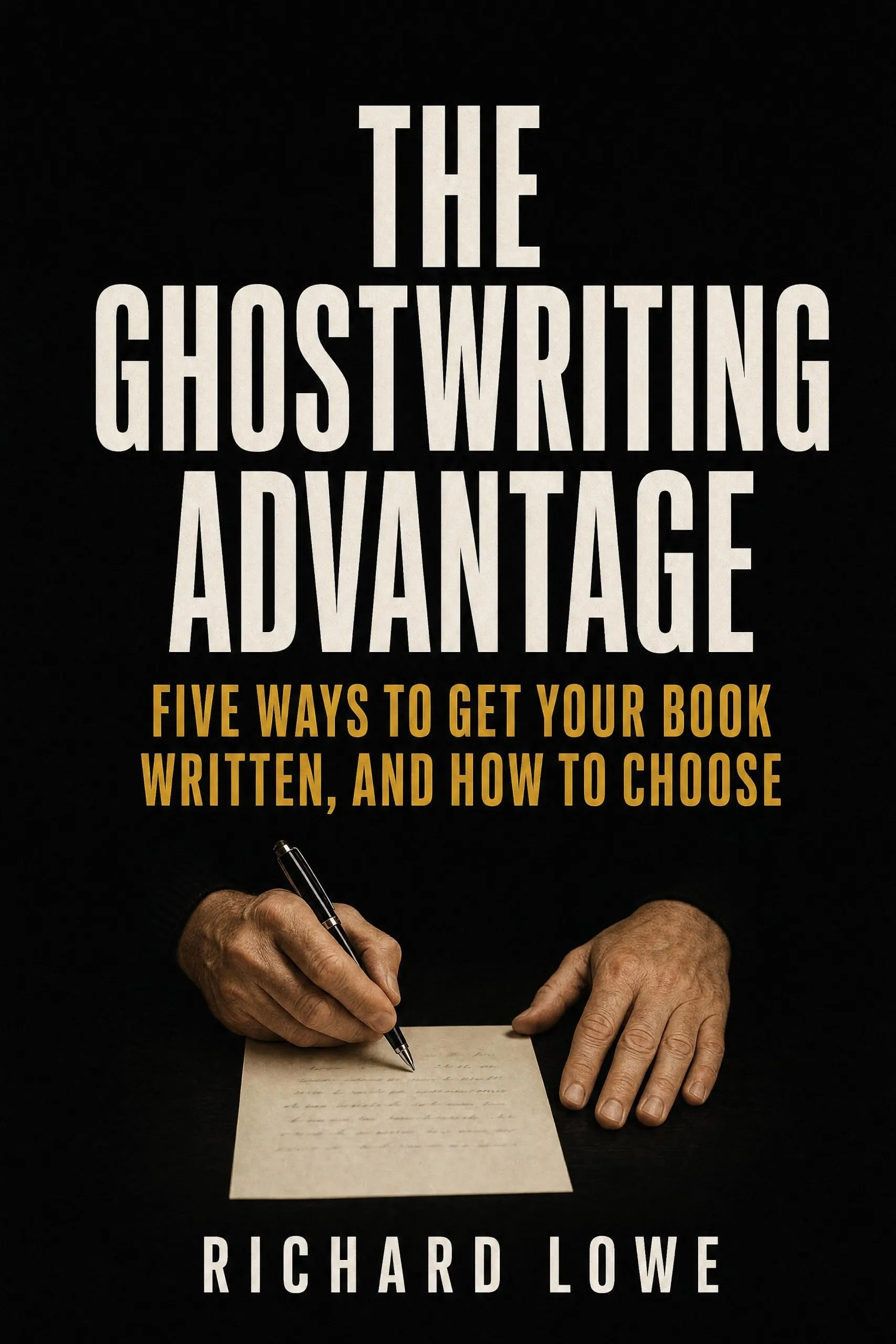
Books grow, and a clear process keeps growth from turning into a fight. The Ghostwriting Advantage covers how to get your book written for you, so changes in scope have a clear place to land.
