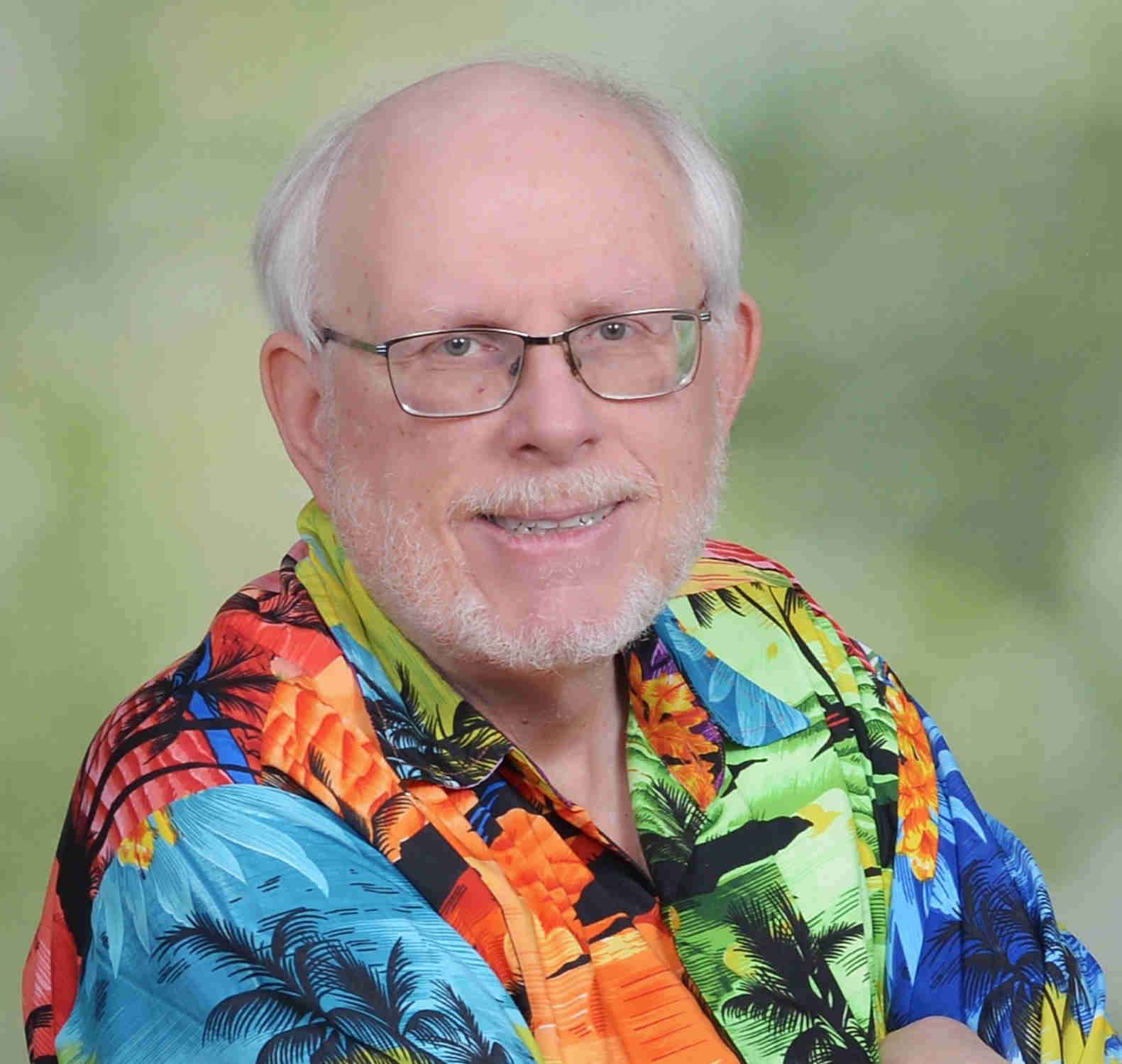
Everyone Has a Story
Featuring Dan Shinder on Leaders and Their Stories with Richard Lowe
Chapters
- 0:00 Meet Dan Shinder
- 1:08 A Dog Rescue Ranch for Retirement
- 1:30 Drum Talk TV and Advanced Social Marketing
- 3:08 Back on the Show, by Way of Eliances
- 4:51 You Get What You See
- 5:11 Certified in NLP
- 6:53 You Get What You Tolerate
- 7:45 AI as an Investigatory Tool
- 9:52 The Freedom to Disagree
- 11:14 Travel Outside the Fishbowl
- 13:47 300 Renaissance Fairs
- 15:03 Florida and a New Career
- 16:25 A 12-Week Marketing Course
- 18:13 900% More Than the Competition
- 20:53 The 5% Rule
- 21:44 New Coke and The Other Guy Blinked
- 23:52 Ghostwriting for Rock Stars
- 26:12 Everybody Has a Story
- 28:07 Why Everyone Should Write a Memoir
- 32:00 The Indian Princess Who Wasn’t
- 33:13 The Girl on the Beach in Odessa
- 36:54 Vernon Lewis and the Drum Circle
- 39:20 Belly Dancers and Birthday Parties
- 43:44 Learn Marketing
Why does every family need its stories written down?
TL;DR: What This Conversation Establishes
- Dan Shinder is an entrepreneur, mentor and certified NLP trainer who founded Drum Talk TV and Advanced Social Marketing, reaching three to five million people a month online without paid ads
- His 5% rule: if what you sell already sells, reaching more of the right people sells more
- You get what you focus on, and you get what you tolerate, whether in a team, a marriage or a book
- AI earns its place as an investigatory tool, such as finding the threads a novel never closed
- Everybody has a story, and writing it down gives children and grandchildren a record they would otherwise never have
What You’ll Learn
- How Drum Talk TV built organic reach that Dan now teaches to industries from music to banking
- Why “you get what you focus on” is practical rather than mystical
- How to use AI to analyze a manuscript without letting it write for you
- How a family legend about an Indian princess turned out to be a Dutch con woman
- Why your grandchildren will want your story, told in your own words
Referenced in this episode
Advanced Social Marketing, Dan Shinder’s marketing training, free workshops and courses.
Dan Shinder on LinkedIn, founder, CEO and executive producer of Drum Talk TV.
Dan Shinder’s first Leaders and Their Stories episode, on forgiveness and choosing what you expose yourself to.
The Other Guy Blinked, the Pepsi CEO’s account of the cola wars that Richard recommends.
From the Renaissance Faire to the Drum Circle, Richard’s tribute to his drummer friend Vernon Lewis.
Richard Lowe: Hello, this is Leaders and Their Stories, and I’m Richard Lowe, The Writing King. I’m here with Dan Shinder, who’s going to tell us all about himself. Dan, tell us a little bit about yourself.
Dan Shinder: Well, let’s see. Where do I begin? I’m very much into entrepreneurship, and I do a lot of mentoring. I’ve been an entrepreneur off and on since I was 22, and I’m 63 and nine months now. How’d that happen?
I’m a dad. I’m a granddad. I’m a great-granddad, with a third great-grandchild on the way in February of 2027.
My wife and I are very passionate about rescue animals. We have four rescue dogs and two cats, and in fact there are three of them in here now. One just wandered in.
What would a dog rescue ranch for people with disabilities look like?
I’m not retired yet, but our retirement plan is to have a dog rescue ranch and treat it kind of like equine therapy. People who have had acquired brain injuries, Down syndrome, cerebral palsy and different things like that would come on field trips.
Someone would live on the property, train the dogs and work with them.
But right now I’m cruising along with my flagship brand, Drum Talk TV. It’s a brand in the entertainment space, not just for drummers but for all types of music fans. We’ve reached three to five million people a month online, 100% organically.
I teach how I’ve done that, and I teach it to all different types of industries: B2C, B2B, lifestyle or not. I have another brand called Advanced Social Marketing, which is where I do marketing training, consulting and teaching. I do free workshops, I do paid courses, things like that.
For a hobby, to keep me off the news, you might think it would be drumming. Nope, that’s gotten me on the news before. I grow over a hundred varieties of wildflowers in a potted garden, because our whole yard is concrete.
I’ve got this amazing setup of many, many pots where I grow all kinds, and I have a greenhouse.
That, and I love cooking. I had a cooking show back in the early 2000s. I find cooking very therapeutic, and I cook typically five or six nights a week. My wife’s an amazing cook, but I do it for the therapy and just absolutely love it.
I’ve got one of the furry babies right here, Chanel. My doggies are in and out of the office. So yeah, that’s a little bit about me.
Richard Lowe: Nice, nice. And we met on Eliances, I believe.
Dan Shinder: Yes, we did. And you’ve had me on before, and I’m so grateful that you invited me on again, because I truly find value in listening to other people’s stories. I’ve listened to 52 business books, four to five times each, in the last 18 or 19 months.
I love sharing my story and my successes, and not failures but discoveries, if you will, so that other people can glean from them the way I’ve gleaned from others. So I appreciate what you do so much.
Richard Lowe: Well, thank you. Thank you. Yeah, we’ve talked before. We had some really good talks, and you seemed to be a nice guy.
Dan Shinder: Thank you. I’ve got you fooled.
Richard Lowe: Although “nice guy” is becoming more and more of almost an insult these days. “Oh, he was a nice guy. I didn’t like him,” kind of thing.
Dan Shinder: Well, that’s what the neighbor says when you get arrested. “He was a nice guy. We don’t know what happened.”
Richard Lowe: When they find all those bodies in the trunk or something.
Dan Shinder: Just flipped out. No, but I appreciate that very much. Thanks.
Richard Lowe: Yeah. Sense of humor, obviously.
Dan Shinder: Yes, and that’s a big part of mental, emotional and even physical health, because it’s all tied together. You’ve got to laugh, you’ve got to have fun, you’ve got to enjoy humor. I think those who are too stoic and don’t enjoy humor are missing out on a very important dimension of life and existence.
Do you get what you focus on in life?
Richard Lowe: I think it’s even worse than that. My philosophy, and I’ll probably write a book on this, is you get what you see. If you see everything pessimistically, don’t be surprised if bad things happen to you. If you see everything positively, and realistically, obviously, then you’ll have more positive things happen to you.
What is NLP, neuro-linguistic programming?
Dan Shinder: That is a staple of NLP, neuro-linguistic programming, which I’m a certified trainer in. Back in 2008, I met the founders of the largest training company in neuro-linguistic programming, the Tad James Company. Tad passed away in, I think, 2019, 2020 or 2021.
It’s all a blur, right?
They hired me to record videos for a DVD set they sold for thousands of dollars. It was their highest level of training, and the first one that was ever pre-recorded.
They said, “We want you to do all our work.” I said, “Great, but I don’t know what the F word you folks are talking about. So why don’t you put me through your courses and let me get certified, so I can produce the best products ever, and I’ll give you a discount.”
Tad said, “Well, what kind of a discount?” I said, “I don’t know, 30, 35.” He said, “How about 50?” I said, “Include my wife.” He said, “Deal.”
So my wife and I went through all the trainings for NLP, and that’s exactly it. You get what you focus on, right? It’s not woo-woo. It’s not magic. It’s not The Secret. It’s not any of that.
Dr. Joe Dispenza is someone I follow on YouTube, and it’s the same thing: you truly get what you can manifest. You really can. And it’s important to embrace this stuff. It really is.
What does “you get what you tolerate” mean for leaders?
Richard Lowe: When I was at my last job, one thing I really tried to impress upon my people, and I failed, was that you get what you tolerate.
If you tolerate people on your team who are disgruntled or who aren’t producing, or quiet quitters as they call it now, you’re going to get the team at that level.
So the more you tolerate, the worse it’ll be. Even in a marriage, you’re tolerating things.
Dan Shinder: Wait, don’t say that too loud or she’s going to divorce me. I’ve got my door open so the dogs can come in. Hopefully she didn’t hear that, because she tolerates a lot.
Richard Lowe: Toleration is not bad.
Dan Shinder: It’s not. It’s a good trait in a lot of ways, but I totally understand what you’re saying. It’s just the same thing. What you see is what you get. What you focus on is what you get. What you tolerate, you’re just welcoming, right?
How can writers use AI to find plot holes in a novel?
Richard Lowe: Take writing. You write a book and you decide, well, I’ll tolerate it being less than optimal. Then you’re going to have a non-optimal book. Maybe you didn’t spell check it, maybe whatever.
Then you do another one, and another one, and before long it’s a pattern. Then you’ve got a bunch of mediocre or not perfect books.
And in these days of AI, and I’ll bring up the AI word, which is a swear word with some people, there are a lot of different reasons, right? You can use AI intelligently. Let’s say you’re writing a novel.
Take Game of Thrones: toward the end, there were all kinds of threads they didn’t close, and people they introduced who never did anything. You can put your novel into AI and say, tell me the threads I didn’t close. Tell me the people I started and didn’t finish.
Tell me the characters that are screwed up, and so forth. And it will tell you.
You go ahead and manually do what you’re going to do, but at least it does that analysis for you, which you’re going to do anyway, or should do. So that’s what I call a proper use of AI. You’re using it as an investigatory tool.
I love that word.
How should you treat people who reject AI for environmental reasons?
Dan Shinder: Yeah, I like that a lot. I’m very close to some people who feel this way, and it seems to be of a certain generation, which is fine, but they’re against AI for ecological reasons.
I get that, and I respect it, and I appreciate it, but I think we can take everything from peanut butter Cap’n Crunch to AI data centers and find some ecological hiccup in the system.
You’ve got to accept people and their beliefs and their boundaries for who they are. It’s all subjective. It really is, just like pizza, music or any other art.
Why does the freedom to disagree make a country great?
Richard Lowe: Well, I’ve gotten into conversations with people who say the United States is not the best country in the world, blah, blah, blah. And I said, the very fact that you can say that proves my point.
In other countries, like, say, Russia or China, you start talking against the government or anything that’s not the official line, and you might find yourself in prison or being reeducated or whatever.
So that’s what makes America great. Sometimes we do the wrong things. We’re people, and we do stupid things. Sometimes politics gets a little thick, like, all the time.
Sometimes it’s very annoying, and I don’t watch it anymore. I have nothing to do with politics anymore, because I just can’t take it. But you’ve got to be thankful that in this country you can have a Million Man March. You can be out there on the streets protesting the government.
Try doing that in a lot of different countries. Not all of them. Some of them you can. In the rest, just try doing it, and you can’t.
Dan Shinder: Yeah, you can’t.
Richard Lowe: These conversations wander all over the place. Don’t mind me.
Dan Shinder: No, that’s okay.
Richard Lowe: But that was a conversation I had with somebody. “Oh, this country is a horrible country, blah, blah, blah. It does this and does this.”
Why should you travel abroad at least once?
Dan Shinder: They’ve never traveled abroad. If anyone says that, they’ve never traveled abroad. You can’t appreciate our country until you travel abroad, even if it’s to a great country. My wife and I have been to Canada, Japan, Singapore, Wyoming, Australia.
Richard Lowe: Wyoming’s not a country, dude.
Dan Shinder: Wyoming’s a separate country, isn’t it?
Richard Lowe: It’s a state. California is a different country.
Dan Shinder: I grew up there. I lived there.
Richard Lowe: Me too.
Dan Shinder: Oh, what part?
Richard Lowe: I grew up in the San Bernardino area.
Dan Shinder: No way. I grew up in the San Fernando Valley until the Northridge earthquake, and then I moved to Ventura, California.
Richard Lowe: By the time I was older, I’d moved to Hollywood and then Garden Grove and Oxnard and all over the place.
Dan Shinder: Oxnard. I know all those areas like the back of my hand still. It’s true that you have to get out and travel. You have to experience different cultures. You have to see the world outside the fishbowl where you’ve spent a lot of your life.
None of our 19 grandkids have gotten out of the US yet, but thankfully a lot of our 11 kids have gotten out and explored.
Even if it’s for a week. Go to Jamaica for a week, go to Canada for a week, go to Wyoming for a week. Oh wait, you said that. Okay, go to Japan. Go anywhere, step out of that box and see that world, and your own world, through different eyes.
It’s very enlightening. It really is.
Richard Lowe: Indeed, indeed it is.
One of the points I made that’s very interesting is this: what other country, if one of their pilots is shot down, sends 150 airplanes and two tankers in to rescue the pilot? What other country in the world would do that except the United States?
What other country sends SEAL teams to rescue civilians, often not even American civilians? What other country in the world does that? We’re not perfect, but we are the greatest country in the world.
Dan Shinder: I think to answer that question, Wyoming is probably the only other country.
Richard Lowe: Could be. Could be. Never been. Wait, have I? I have. I’ve been to Illinois, the Kenosha Renaissance Fair.
What is it like to photograph 300 Renaissance fairs?
Dan Shinder: Oh, nice.
Richard Lowe: I did probably 300 fairs. I was doing them all, photographing.
Dan Shinder: Wait, did you ever do the one in the Malibu Hills in LA?
Richard Lowe: I’ve done all of them in California, but I don’t remember all the names and locations.
Dan Shinder: I grew up going to the one in the Malibu Hills in the 70s. Oops.
Richard Lowe: That’s the old fair, yeah.
Dan Shinder: Yeah, one of the originals, and it was amazing. I loved that.
Richard Lowe: I went to its predecessor, the Devore fair, in the 80s, and then to the Irwindale fair. That became my home fair. And then, of course, all the others, Northern and everybody else.
I was part of the fair family with my cameras. I took pictures. I’ve got 980,000 pictures on my website. About a third of them are fairs, a third of them are belly dancers, and a third are other stuff.
Dan Shinder: Nice.
Richard Lowe: It’s all on my site, renaissancefaire.net, faire with an E. Or richardlowejr.com. You can go to either one and it brings you there, and it’s got all kinds of pictures.
Dan Shinder: Nice.
How do you find a new career after a sudden change?
Richard Lowe: Yeah, it was fun. I gave it up when I moved to Florida. Gave it all up. I just had other priorities, like earning a living after suddenly deciding, oh, I’m going to have a new career. Let’s move to Florida. All in a matter of a couple of weeks.
Then it took me a while to figure out what I wanted to be. I did eBay. I did affiliate marketing. I did probably a dozen other things, and then finally settled on ghostwriting.
Dan Shinder: Nice.
Richard Lowe: Yeah. And I’ll probably do that till I die.
Dan Shinder: Hopefully that’ll be a long way off.
Richard Lowe: Medicine might make it. I just did all my doctor stuff and came out with flying colors. I do that once a year. Just exercise more, the usual stuff.
Dan Shinder: Yeah. Which I’m doing now.
Richard Lowe: Good. That’s important. Eat better, exercise more. Try not to do anything too stupid.
Dan Shinder: Hard to avoid, but hey.
Richard Lowe: Which my late wife used to tell me every time before I went to work. “Try not to do anything too stupid today, dear.” Term of endearment.
Dan Shinder: That’s true.
Richard Lowe: So what else is going on in your life besides all of the other shenanigans?
How can a business increase its social media reach without paying for ads?
Dan Shinder: Well, as we’re recording this, and I don’t know when it will publish, we’re winding down the year. I can’t believe it’s November already. The holidays are coming, and the years go by in a blink.
I don’t have the date set yet as we record this, Richard, but in January and February I’m taking 21 of the most valuable modules from my marketing course. They’re all valuable, but these are the most weighted, I’ll use that word.
I’m cramming those 21 modules, gently, thoughtfully, methodically and analytically, into a 12-week, 12-session marketing course.
Richard Lowe: Interesting.
Dan Shinder: This will go from January through February, and it’s for anybody: a professional marketer, an entrepreneur, the head of a brand, anybody, no matter how well they’re doing. I guarantee 100% that if they apply what I teach, they will raise their reach and engagement by thousands of percent.
Not 30%, or 50%, or 100%, but by thousands of percent within weeks.
And I love teaching this stuff. I designed these courses 13 and a half years ago, not because I didn’t have something to do, but because my organic strategies with Drum Talk TV, without paying for ads or boosting posts, did so well.
It was pointed out to me, Richard, that we were reaching and achieving engagement 900% more than all our industry peers. For those of you who don’t like soft language, that’s all our competitors combined, by 900%. It inspired me to start teaching this stuff.
I’ve been doing it all that time for everybody from garage bands to gold and platinum artists in music, to the fast food industry, hospitality, Ford dealerships, Citibank and the Rolex Sydney to Hobart yacht race. It works the same way for any type of industry.
I know a lot of people say, “Oh, I’m different. My stuff’s different.” It works the same way for any industry, no matter who your target market is, and I teach how I’ve done that.
Now, wait. I know some people’s defense mechanisms are going up, and they’re saying, “Yeah, I don’t need a million followers. I just want to…” Well, to get to 1.3 million followers, to get to reaching three to five million people a month online, I had to achieve certain things.
If you achieve those certain things, you’ll increase your following, your reach and your engagement, even by 10 or 20%, by following the same steps. You don’t have to reach a million.
I initially never had in my sights to reach a million people a month, or 100 million people a year. But when Drum Talk TV reached 500,000 followers, a light bulb went on, bing, above my head. Do I have a light bulb in here?
Richard Lowe: No, but I did notice a burn spot.
Dan Shinder: Okay. And what occurred to me, Richard, was: wait, all I have to do is that one more time and I’m at a million followers. But you don’t need that.
What is the 5% rule in marketing?
Dan Shinder: Here’s what I tell people. If you’re already selling with what you’re doing, doesn’t it make sense that if you could reach more people within your target market, and genuinely, authentically engage with them, you’d sell more? Right?
That’s what I call the 5% rule. Say we can only sell to 5% of the people we reach.
If we’re already selling, if we’ve proven the model, if we’ve proven that what we have has value to people because we’re selling it, then if we could reach more of those same types of people, wouldn’t we sell more? Of course.
It’s a rhetorical question.
So I teach people how to do that. And I teach what the biggest mistakes are in marketing, even by some of the biggest brands and marketing companies on the planet.
Richard Lowe: No way.
Dan Shinder: Absolutely. 100%. And I’m happy to give some of those nuggets away right here, right now.
What was New Coke, and why did it fail?
Richard Lowe: I just remember New Coke. Remember that?
Dan Shinder: Yeah. And that went away because it sucked, according to enough people.
Richard Lowe: That was a Pepsi campaign against Coke. I have the book by the CEO of Pepsi at the time, called The Other Guy Blinked. It’s long out of print, but you can find it.
Wonderful book. One of the best books I’ve ever read. Just humorous. I know his ghostwriter had a fun time writing it. His ghostwriter is on the cover.
If you want to find out how that time worked, and about Michael Jackson’s hair catching on fire and all that stuff, it’s a great book to read.
Dan Shinder: I wonder if it’s available on Audible. I’m an Audible freak. All the books I mentioned are on Audible. I’ll look it up. What’s it called again?
Richard Lowe: The Other Guy Blinked. I don’t remember his name. Enrico something. But he was the CEO of Pepsi for a long time, and the way he was written, he had quite a sense of humor. I don’t know what he was like in real life.
Dan Shinder: Okay.
Richard Lowe: Because you never know. You’d think they’d be the same, though, right? One would think. But typically they aren’t. Anyway, I enjoyed that. That’s a semi-memoir I enjoyed a lot.
Dan Shinder: Nice. Arnold Schwarzenegger’s is long, but it’s really good.
Richard Lowe: I have that. It’s so huge, but it’s a good book. I skimmed it.
Dan Shinder: I ear-read, so I’ve listened to his Audible book, with him reading it. It’s great. And I love when he says, “I took English classes. I took the accent removal. I still want to get my money back.”
Richard Lowe: Yeah, he’s a funny guy, and whether you agree with his politics or him or not, he sure did accomplish a lot.
Dan Shinder: Yes, and from listening to it a few times, I feel he’s very humble. He’s had an amazing life and didn’t let anything or anybody get in his way, and that’s the attitude we all should have.
Richard Lowe: Yep, yep, yep.
Can a ghostwriter tell you which celebrities they have written for?
Richard Lowe: So did you know that I’ve ghostwritten for two different rock stars?
Dan Shinder: I did not. Who are they? Maybe I personally know them.
Richard Lowe: I think you probably do, but I can’t name them, of course.
Dan Shinder: Oh. What bands are they in? Just tell me that.
Richard Lowe: Can’t tell you, because that would tell you who the rock stars are.
Dan Shinder: But if you tell me what bands they’re in, I don’t know who they are.
Richard Lowe: Anyway, one of them has, I’m looking at Wikipedia now, a lot more platinums than I thought it was possible to get. And the other one has a couple.
Dan Shinder: Oh, it’s the guy, the leader of the band Frank Fartenheimer and the Frankfurter Thieves.
Richard Lowe: No.
Dan Shinder: Now that’s cool, though. The music industry is interesting for so many unmentionable reasons. People in the arts are in a certain bucket, and then within that bucket, whatever faction of the arts they’re in, there are different, different, different buckets. My wife and I both come from the arts, and it’s an interesting universe.
As you know, I interview gold and platinum artists for a living as part of what we do on Drum Talk TV. But I also interview people who don’t even have a record deal, but they’re great players and they have a great story.
That’s what matters the most, more than their accomplishments in the business. What is their story, and what can anybody, a music fan, a human being, glean from that? I love that part of my job. It’s great.
It’s like being the tooth fairy. I want you to be on Drum Talk TV, sandwiched between Nicko McBrain from Iron Maiden and Bill Bruford from Yes and King Crimson.
It’s a fun sort of lexicon of lessons to learn from people who have or have not achieved certain levels of success, but who have a great story.
Does everyone have a story worth telling?
Richard Lowe: That’s what I look for, stories. I look for stories, not famous people, but people who have good stories. And everybody really has a story. They just don’t know it.
I’m writing some good ones now. They’re really interesting stories. There are people who you wouldn’t think have stories, but we’re turning them into great stories, both of them. They love it.
I have another one that was just released recently. Let’s see, what’s it called? He’s a good guy. Oh, The Charge to Billy Beat Island. Billy Beat Island was an island in the… I helped him through his book, and he’s traveling all over the country signing and stuff.
It’s really cool.
Dan Shinder: Wow. Nice.
Richard Lowe: Great guy, too. Just a sense of humor. Great person.
Dan Shinder: That’s great.
Richard Lowe: Yep. It’s fun to write those kinds of books. Life is fascinating.
Dan Shinder: It is. There are more dimensions to it than, like you said, a lot of people realize. A lot of people don’t realize they have a story, and their own life has more dimensions than they realize.
Why should everyone write a memoir for their grandchildren?
Dan Shinder: Let me think a moment about the context of this. My son and I have a separate podcast, and we reviewed a book. Man, this was just a week ago, and I can’t remember who it was by.
But my point was, it inspired me to verbalize the message that everybody should write some sort of biography or memoir. I don’t know if there’s a difference. Because I think in doing that, they will appreciate things in their life that they’ve taken for granted or forgotten about.
You weave all that together and you’ve got an amazing story. Like you said, you don’t have to be famous to have a great story.
I think people should look back on their lives as nothing but accomplishments, even if they went to prison, even if they failed at this or that, and failure is subjective, right? You look at everything as a lesson. It’s like I say in music: no one does anything wrong.
No one failed. There are just new discoveries.
I think life is like that, and people need to really make a record of what they’ve done and leave that behind as well.
Like I mentioned earlier, I’ve got a third great-grandchild on the way. The oldest great-grandchild will be three in February. And I’m almost 64. I don’t know how much time I have. 10, 20, 30 years? Who knows?
Richard Lowe: A thousand.
Dan Shinder: Oh, let’s hope. And whenever that time comes, I want the 11 kids, the 19 grandkids so far and the three little schmendricks so far to know more about my life than I’ve ever talked about in one arena or one setting.
And everybody has that. Everybody has that.
I think it’s important to understand our lineage. Let me just say, I have a picture of my mom’s dad, and I never met him. He passed away when I was three months old. I look almost exactly like him.
I look at that picture sometimes and think, God, I wish I knew him. I have older cousins, seven to ten years older than me, who say he was such a neat guy.
So I think, even with our furries… do we have any in here? Yes, we do.
Richard Lowe: Yeah, I’ve got my cat down here.
Dan Shinder: I’ve got Schnoodles, our half pit bull. Where is she? Schnoodles. Oh, she hid behind my chair. She’s half pit bull and half border collie or Australian cattle dog.
We do their DNA tests so that we understand the breed, the inherited illnesses they might have so we can address them, and their demeanor and behaviors.
In a weird, non-scientific way, I think it’s important that we all keep a record of our life. I bet one, two, three, five generations down the line, someone is going to read that and say, “Oh my gosh, that’s what I do. My grandmother was into sewing, and I’m into sewing.” Or, “My grandfather was into rock collecting and minerals, and I’m a geologist.” You never know.
I think those are amazing discoveries we could have. We’re here for more reasons than we’re open to, and I think we need to open that radar so we can understand those things. That brings us more joy and curiosity out of life.
What can genealogy research reveal about family legends?
Richard Lowe: Speaking of that, I did my genealogy. One of the things the family always said is that we had an Indian princess in our family, a great-great-grandmother or something like that. They had a tintype picture of her. That was really cool.
I started finding out more, and it took me a while. I had to hire somebody to go to the Indian reservations. No luck, no records of her at all.
So I kept looking, and I finally got to the manifest from New York that came through the Statue of Liberty. And there was her name. So then I followed it through. She wasn’t an Indian. She was a Dutch immigrant.
She joined the circus and became a con woman with her husband, and they conned people all the time. I found other people who had written a little bit about her, just a little bit. It was fascinating. The family was so pissed off with me.
Dan Shinder: Ruined the whole model of the world.
Richard Lowe: Ruined the whole model. And I thought the true story was much better.
Dan Shinder: So can I tell you a quick one? I’ll make it brief, I promise. It’s an interesting immigration story that would make an amazing movie or book, to my future ghostwriter.
My grandparents are from Ukraine, and at that time it was part of the USSR. This is the late 1920s or something, whenever the Bolshevik Revolution was. I’m going to do my best not to choke up. I do almost every time I tell the story.
My grandfather on my mom’s side, who I told you I never met, was leaving the country. People were rushing boats on the beach in Odessa, which is the largest port in Ukraine. One of my grandmothers is from Odessa.
My grandfather was a young boy, 12 or 14, something like that. And this little girl, about five or six, fell. People were trampling, and she didn’t get trampled, but he scooped her up, put her up on his shoulders and wandered out into waist-deep water to where the boats were.
He said, “Whose child is this? Whose child is this?” And someone claimed her and said, “That’s our baby.”
Fast forward about 30 years, to the late 1950s, 1958. My parents were both 18 years old. My dad is dating my mom, and he’s waiting for my mom to get ready, as most men do for women.
And my grandfather, who I never met, Moishe Morris, says, “Do you know the story about me and your mother?”
He’s starting to think, this sounds weird. He says no. And he told that story. That little girl was his mother.
Richard Lowe: Oh, interesting.
Dan Shinder: How bizarre is that? They all immigrated through Ellis Island and went to Denver. They met as families, they shared the story, they knew that story. Then they all moved to Southern California separately, but lived in rival cities, Venice, California, and Culver City, California.
Let me let one of my dogs out.
Richard Lowe: Go on. Go on.
Dan Shinder: And then my mom and dad dated through high school, and my dad had to make up stories when his friends and brothers would say, “Let’s go burn a big V for Venice into the Culver City High School lawn.” He’d say, “I’ve got to help my mom with this.”
I mean, is that just a bizarre story of coincidences?
So my point is that everybody has some sort of story, right?
What does a memoir ghostwriter actually do?
Richard Lowe: Everybody has stories. And that’s what I do: pull those stories out of people and build a better story around them, a real story. I make it more enjoyable and more readable for everybody, not changing any facts, of course, but making it more emotional, maybe putting in the scenery and whatever else is important.
That’s what I do. I seem to have centered on memoirs, although I do more technical stuff, too. I’ve written a lot of AI books, a lot of metaverse and digital transformation. But lately it’s been memoirs.
Dan Shinder: Nice.
Richard Lowe: And people like to leave a legacy. I like helping them.
Dan Shinder: Everyone has a legacy. They should leave it behind.
Richard Lowe: They definitely should.
Why is drumming so therapeutic?
Richard Lowe: One of my good friends many years ago was a fair friend. We met at the fair, he and his girlfriend. His name was Vernon Lewis, and he was a black guy, and he was a drummer.
He used to bring his drum around all the time, and he invited me to drum circles. So that’s my experience with music: I used to go to drum circles with him. I had to give it up because it was hurting my wrists.
I spent many, many times banging the drum. I was never very good, I just banged it, but it was fun.
Dan Shinder: Yeah, it’s therapeutic. You don’t have to be skilled to bang any kind of drum. I’ve got several hand drums up there. You can’t see them because the mic’s in the way, wrong side. There’s one little one right there, and on this side I’ve got a few back there.
Oh, there’s a miniature one of those. There are like 14 percussion instruments here.
And down in my studio, I’ve got five or six drum sets, two of them set up. One is a very simple jazz four-piece kit. The other one, I don’t even remember, it’s like a 14-piece big kit with a gong and two timpani orchestral drums and all that.
And every bit of it… right before we connected, I tapped on a steel tongue drum, which is right there, playing for my dogs to settle them down. There’s just something about it, because our hearts beat. We’re innately attached to rhythm.
I’m sorry, I have to let one of the other dogs out. Come on, people. Come on, seriously. Okay.
Richard Lowe: Like a thoroughfare of furries here.
Dan Shinder: But there’s something very natural about it that comes through as therapy when we just tap.
Richard Lowe: And he had all the drums. He had drums from Africa, from all over the world, big drums and little drums. I don’t know what they were called. They were more toward the traditional drums, not the drum sets of today.
Dan Shinder: Yeah, that’s a lot of what I have in my office here. The traditional ones.
How can trying new experiences help you overcome shyness?
Richard Lowe: So it was fun. And that was when I was entering a world I’d never entered before, which was the belly dancers. They have a lot of Arabic music, Tunisian and so on, which I’d never had any exposure to. So that was an interesting thing, learning different kinds of music, different cultures, different styles.
The Turkish dancer Nilay had more energy than anybody I’ve ever seen in my life. She could probably climb up walls, and she’d take over the stage. It was just fascinating getting into that world. I was there for eight years.
Dan Shinder: Oh, wow.
Richard Lowe: Every year I’d have a birthday party, and about 100 dancers would come to each one and dance for me.
Dan Shinder: Wow. A hundred?
Richard Lowe: Well, the first ones had maybe 30 or 40, and by the time I was done it was over 100.
Dan Shinder: Wow. And where was this?
Richard Lowe: This was in California. I would rent a hall. One time I rented a pirate shop, another time a bar with a stage. I rented all kinds of places, and when they got really big, sometimes two, one on one day and one on another, for my birthday.
These women would all come and dance for me, and their husbands would come along, looking bored. We’d have a great time.
Dan Shinder: That’s awesome.
Richard Lowe: Yeah. I was super, super shy, and it was a way to kind of break that.
Dan Shinder: Nice. I’ve always thought it’s important to celebrate birthdays. Some people aren’t into that, but I think our birthdays are maybe the biggest recurring milestones of our lives, right?
Richard Lowe: Right. And the important thing to remember is that it’s your birthday. Nobody cares unless you give them a reason to.
Dan Shinder: Yeah. October 2nd is my half birthday, six months. And I always ask my wife, “Can I have half a birthday cake?” Once in a while she does it, but most of the time she says, “You’re silly. Who celebrates their half birthday?”
Well, I’m halfway to the next milestone. It’s a big deal.
Richard Lowe: Especially as you get up in age, boys and girls.
Dan Shinder: Right.
Why is life what you make it?
Richard Lowe: I’m saying all that about the dancers and the Renaissance fairs because life is what you make it. After Claudia passed away, I decided I was not going to be sitting at home. I was going to experience life a little bit.
I wound up going to all the national parks in Southern California and photographing them, probably a thousand belly dance shows, 300 Renaissance fairs, WWE front row seats. Those are expensive, by the way. You know they give you the seat when you sit in the front row?
Dan Shinder: Oh, yeah?
Richard Lowe: You get to keep the folding chair. I’ve got one.
Dan Shinder: Really? Oh, wow.
Richard Lowe: The Undertaker’s on it. I’ve got a picture I took of the Undertaker jumping off the top rope in midair. I had to go click, click, click, click, click to get that.
Dan Shinder: Yeah, that’s precious. That’s amazing.
Richard Lowe: That was fun. I sort of met him, maybe for two seconds. “Hi, how are you? I’m Richard.” “Yeah, bye.” I’m out of here.
Dan Shinder: Yeah, that’s cool, though.
Richard Lowe: I met Lucy Lawless, Xena, at a convention. So I wasn’t having fun so much as I was experiencing things. The goal was to experience.
Dan Shinder: Yeah. Again, another reason for people to get out of their normal environment, and even get out of the country, and go see what else is out there.
Richard Lowe: Yeah. And I remember, I used to hang out at fairs all the time taking pictures, and I’d centered on photographing women. Why not? This big burly guy with tattoos and stuff comes up to me and says, “I really envy you.”
And I’m like, me? Why do you envy me? He says, “Because you’ve got all the women.”
Little does he know, I’m just photographing them. But I said, “Well, yeah, sometimes you’ve got what it takes.” And he was a guy who could probably pick up the women literally, one in each hand.
Dan Shinder: That’s hilarious. I love it.
Richard Lowe: I thought it was very funny, because I’m just photographing. I’m not doing what you think I’m doing.
Dan Shinder: Nothing creepy.
Richard Lowe: Oh, that’s one thing the belly dancers really appreciated: I was not creepy at all. I knew the boundaries and kept it there. In fact, I created the boundaries, and that’s important.
Why should every business owner learn marketing?
Richard Lowe: Anyway, anything else you want to say to our audience before we hang up?
Dan Shinder: I think in closing, if you’re in business, if you work for a business, a little bit of self-promotion, if I may.
Richard Lowe: Of course.
Dan Shinder: It’s so important to learn marketing. And I hate to say this, but that includes anybody with one of these phones who says they “do social media marketing,” says they “do marketing,” says they’re a social media admin or whatever.
I’m very blessed to have achieved some amazing results that many, many big brands have never achieved, and I teach how I’ve done that without spending money on ads and without spending money on boosting posts. I teach how to do that as well.
I teach how I’ve reached millions of people a month for almost 14 years, without paying for ads or boosting posts. As of January 7, 2027, it will be 14 years.
You can reach out to me even if you just have questions. I do free workshops, and I have a full course. I love teaching and sharing that wisdom and that knowledge. Being that I discovered how to do all this, I feel it’s a responsibility.
No matter what business or industry you’re in, I 100% guarantee it’ll work for you. In 14 years, it hasn’t worked for three people, for the same reason: they didn’t follow what I teach. Three people out of about 250 that I’ve personally taught in 14 years.
Richard Lowe: Wow. Amazing.
Dan Shinder: Reach out.
How do you contact Dan Shinder?
Richard Lowe: And how do they reach you?
Dan Shinder: You can send an email directly to me. It doesn’t go through a filter, and you don’t end up on a list. Reach out to me at dan@advancedsocialmarketing.com. I’m happy to book a Zoom call and answer questions.
Even if you just want to ask some questions and you don’t want to do the course, I promise you’ll leave with some actionable nuggets that will improve your results immediately.
Richard Lowe: Interesting. Well, thank you for coming on. This has been Leaders and Their Stories. I’m Richard Lowe, The Writing King. We do this usually two or three times a week now, so keep watching and you’ll find more.
Dan Shinder: Thanks, Richard.
Quotable moments
No one does anything wrong. No one failed. There are just new discoveries. — Dan ShinderShare on X
If we could reach more of those same types of people, wouldn’t we sell more? — Dan ShinderShare on X
You don’t have to be famous to have a great story. — Dan ShinderShare on X
What you focus on is what you get. What you tolerate, you’re just welcoming. — Dan ShinderShare on X
You have to see the world outside the fishbowl where you’ve spent a lot of your life. — Dan ShinderShare on X
People should look back on their lives as nothing but accomplishments. — Dan ShinderShare on X
If your family has a story like the girl on the beach in Odessa, this is how it gets written: what a ghostwriter does, how the interviews work and how your voice survives.
Frequently Asked Questions
Your story could be a book
Every leader I interview has a book in them. If you’ve spent a career learning what works, let’s talk about turning it into the book that outlasts the work.