TL;DR
7/10. A monumental, expertly compiled three-volume reference to the entire Star Wars universe, valuable to fans and to writers studying large-scale franchise world-building and continuity. An impressive achievement, held from higher chiefly because this 2008 edition predates major expansion and a continuity reset, leaving it dated as a guide to current canon.
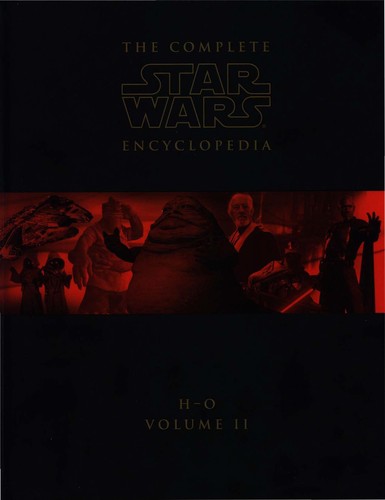
The Complete Star Wars Encyclopedia by Stephen J. Sansweet is a monumental three-volume reference covering the entire Star Wars universe, the characters, planets, species, technology, events, and lore across the films and the vast expanded universe, in over a thousand pages. As an exhaustive guide to a hugely elaborate fictional universe, it’s an impressive achievement. It’s also a valuable resource for fans, for writers working in the universe, and for anyone studying how a sprawling franchise mythology hangs together.
Judged as the complete franchise reference it is, it does its enormous job thoroughly, with the inherent limits of a fixed reference to a living, changing franchise. Sansweet, long the head of fan relations at Lucasfilm and a renowned authority on the franchise, brings real expertise to the task. That shows in the thoroughness and the care of the compilation.
An exhaustive map of a galaxy
The reference’s value is its sheer scope. By the time of this edition, Star Wars had grown into one of fiction’s most expansive universes. Decades of films, novels, comics, and games kept adding characters, worlds, and history. The encyclopedia attempts to catalog all of it in organized, cross-referenced form.
For a fan, it’s a treasury to explore; for a writer working in the universe or studying franchise world-building, it’s an essential map of how an enormous fictional mythology is structured and kept coherent across countless contributors and stories. The achievement of assembling and organizing this much material is considerable, and the result is the kind of definitive reference a deep franchise generates.
Keep reading
Writing in a shared universe: keeping a vast mythology coherent: the Star Wars encyclopedia as a model of franchise organization, in the craft of tie-in fiction.
What it teaches about world-building
Beyond its use to fans, the encyclopedia is an instructive document for any writer interested in large-scale world-building and continuity. Seeing the entire apparatus of a major franchise laid out is instructive. The interlocking characters and timelines. The consistency held across so many stories and creators. It shows the appeal and the immense labor of building and sustaining a coherent fictional universe at scale.
Writers building their own expansive world or series will find it a working example of how continuity and depth are organized and tracked, the reference infrastructure that keeps a sprawling mythology from collapsing into contradiction. That’s a real, if indirect, craft lesson.
Keep reading
Keeping continuity straight across a series or universe: the continuity apparatus a franchise reference reveals, in the craft of consistency.
What are the weaknesses of The complete Star Wars encyclopedia?
The defining caveat is currency, and it’s significant for a franchise reference. This edition dates from 2008, and Star Wars has expanded enormously since, with new films, series, and stories, and a continuity reset that reorganized much of the old expanded universe, so the encyclopedia is considerably out of date as a guide to the current canon and now documents a version of the universe that’s in part been superseded.
It’s also, by nature, a specialized reference for those interested in this particular franchise, valuable to fans and franchise writers and irrelevant to others. And as a reference it’s meant to be consulted. These are the normal limits of a fixed reference to a living franchise.
Is The complete Star Wars encyclopedia worth reading?
It’s an impressive, exhaustive, expertly compiled reference to the Star Wars universe, valuable to fans and to writers studying or working in large-scale franchise world-building, and a real achievement of organization. It gets a fair rating, held from higher chiefly by the inevitable: as a 2008 reference to a franchise that’s since expanded and undergone a continuity reset, it’s considerably out of date as a guide to current canon, and it’s a narrow specialist resource.
It’s a rewarding and instructive reference for a fan of the era it covers or a writer studying how a vast mythology fits together; for current Star Wars canon, you’ll need to supplement it with newer sources. A monumental reference, dated by its living subject.
Explore the hub
The Entertainment Hub: franchises, world-building, and the universes fans love, gathered in one place.