TL;DR
7/10. Supplies the concrete daily-life detail, food, work, community, that lets writers portray Native peoples accurately instead of through stereotype. A responsible, valuable historical reference, weightier than most for the subject it handles. A broad 2001 survey, best treated as one starting point among many, including Native voices and current scholarship.
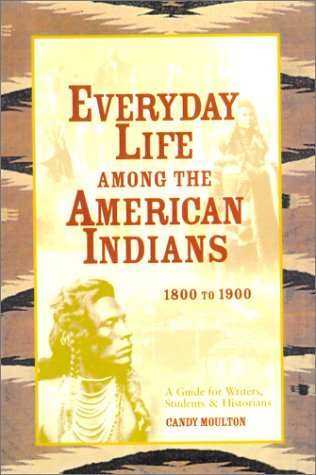
Stereotype and falsehood have distorted the portrayal of Native Americans in fiction for a very long time. A writer attempting to do better needs reliable, specific information to replace the clichés. Everyday Life Among the American Indians by Candy Vyvey Moulton, part of Writer’s Digest’s Everyday Life series, sets out to provide exactly that: the concrete daily-life detail a writer needs to portray Native peoples accurately instead of through the usual Hollywood lens. Judged as the specialized historical reference it is, it does valuable and unusually responsible work.
The series premise is sound. Historical fiction lives or dies on the details of daily life. This volume’s subject makes those details even more important, because the gap between the real and the stereotyped is so wide here.
Daily life as the antidote to stereotype
The value is its focus on the specific and the concrete. How people lived. What they ate and wore. How they worked, traveled, organized their communities, and marked the events of a life, across different peoples and periods instead of a single flattened image. This granular detail is what dismantles stereotype, because clichés survive on vagueness and collapse under specificity.
A writer armed with real information about a particular people’s daily existence has no excuse left for the generic movie Indian, and can write a specific, accurate, humanized portrayal in its place. Moulton’s reference-style organization, covering many dimensions of life, makes that detail accessible for a writer building a world or a character.
Keep reading
Writing historical fiction that feels authentic, not researched: Moulton supplies the daily-life detail; the article shows how to weave research in without lecturing.
The responsibility the subject demands
This book carries a weight the lighter references on the shelf don’t, because portraying a real and historically misrepresented people is an ethical matter as well as a craft one. The book’s attempt to correct stereotype with accurate detail is a real service, and a writer should take the responsibility as seriously as Moulton does.
Still, a single reference is a starting point, not a credential: a writer portraying Native peoples should treat this as one input among many, seek out Native voices and scholarship, and remain aware that the diversity among Native nations is vast and can’t be captured in one volume. The book helps, but it doesn’t absolve a writer of deeper diligence on a sensitive subject.
Keep reading
Writing across cultures with respect and accuracy, the diligence a sensitive subject requires, beyond any single reference.
What are the weaknesses of Everyday Life Among the American Indians?
The usual reference limits apply. As a single survey volume it’s broad instead of deep, so it introduces the daily life of many peoples without the depth that a focus on any one nation would allow, useful for grounding but not sufficient for authority. It dates from 2001, and while daily-life history is relatively stable, scholarship and especially the framing of Native history continue to evolve, so a writer should supplement it with current sources. And it teaches accuracy of detail, so the storytelling is on you. None of that is a serious flaw. These are the normal costs of a survey reference.
Is Everyday Life Among the American Indians worth reading?
It’s a valuable and responsible historical reference, more important than most of its shelfmates because of the subject it handles and the stereotype it works to correct, and useful for a writer who wants to portray Native peoples with accuracy instead of cliché. It loses ground only for the inherent breadth-over-depth of a survey and its 2001 vintage, and it should be treated as one starting point among many on a subject that demands real diligence and Native voices.
For the historical writer committed to getting this right, it’s a worthwhile and conscientious tool. Anyone who reads it and stops there has missed the point. It’s a beginning, and a good one.
Explore the hub
The Writing Hub: historical fiction, research, and the rest of the craft, gathered in one place.
Frequently Asked Questions
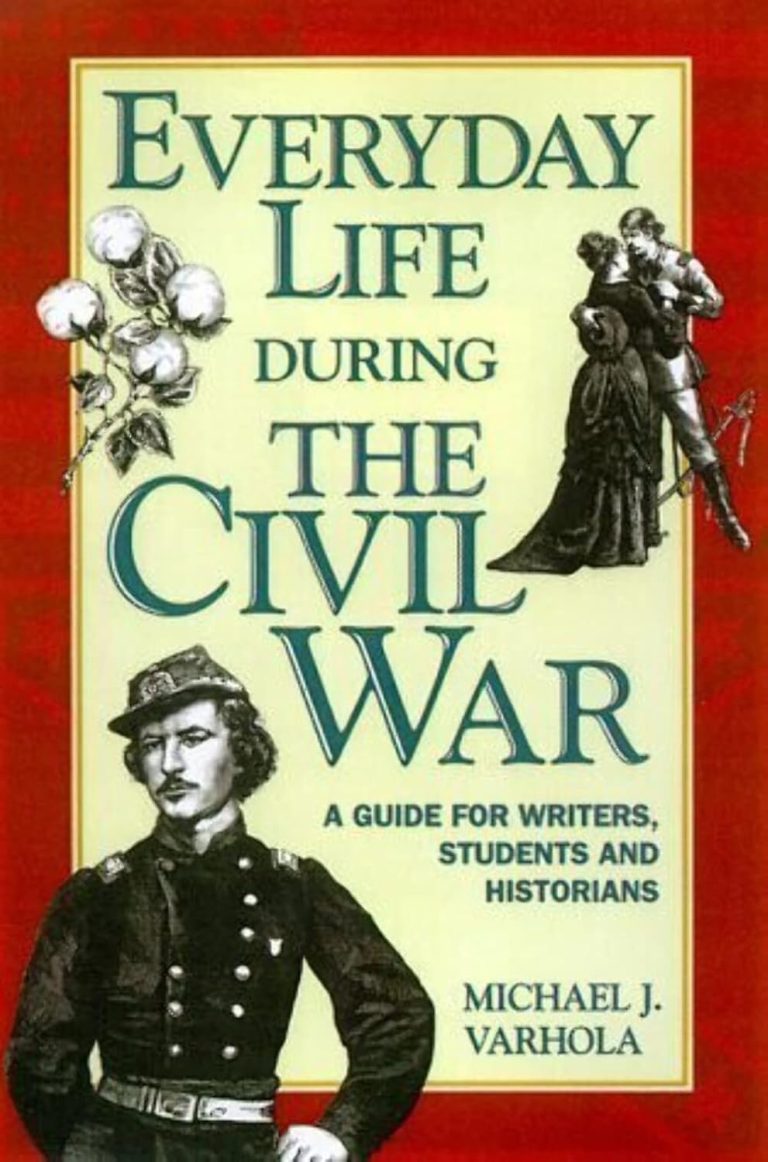
Other Books in the Writer's Guide to Everyday Life Series


Other Books From – History