
When Caregiving Ends and the Words Won’t Come
When caregiving ends, a lot of writers find the words stop with it. Why grief and burnout stall your writing, how long it lasts, and what kept me sane when my wife was sick.
What goes on in a writer’s head and why it matters on the page. Imposter syndrome, motivation, the fear that stops people from writing, and the mental habits that get a book finished. The inner game of writing.
 Grief and Loss
When caregiving ends, a lot of writers find the words stop with it. Why grief and burnout stall your writing, how long it lasts, and what kept me sane when my wife was sick.
 Personal Story
Most writers don't get much support from family. Why relatives call it a hobby, why their feedback won't help you, and how to keep writing for the people who show up.
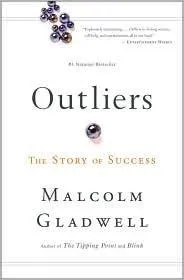 Book Reviews
Success isn't what you think it is. Gladwell's Outliers argues that extraordinary achievement comes from timing, culture, and accumulated advantage rather than individual brilliance, and the hockey example that proves it is the cleanest demonstration of a structural effect you'll…
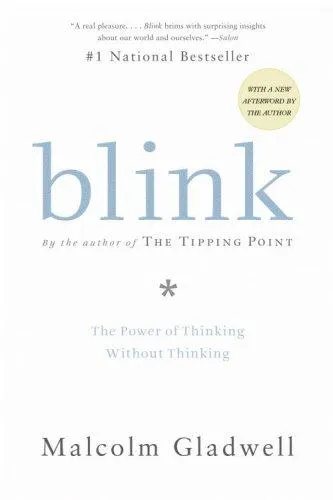 Book Reviews
Gladwell's Blink argues that expert judgment happens in seconds and beats careful analysis, then spends half the book showing how that same fast thinking produces racial bias nobody can see or control. The book knows it's contradicting itself and never…
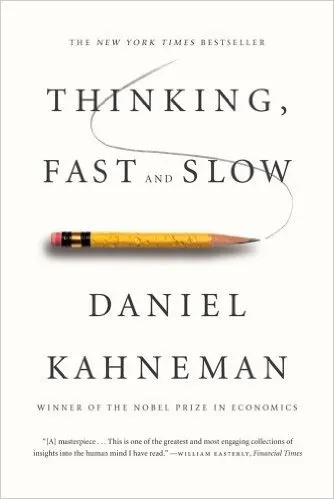 Bias
BiasDaniel Kahneman spent forty years studying how we make decisions, and the short answer is: badly, in predictable ways. This book distills that work into three ideas that matter most for writers: why you underestimate how long projects take, why…
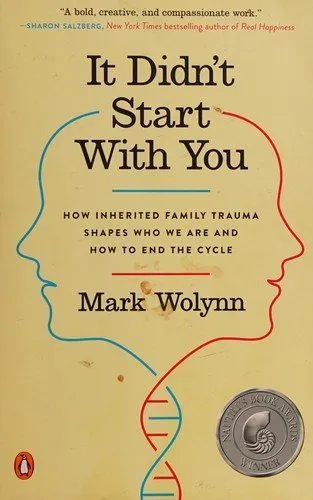 Book Reviews
Some of your deepest fears may not be yours at all. Mark Wolynn argues that trauma leaves marks across generations, and teaches a technique for listening to the sentences people repeat about their worst catastrophes, then tracing them back through…
 Book Reviews
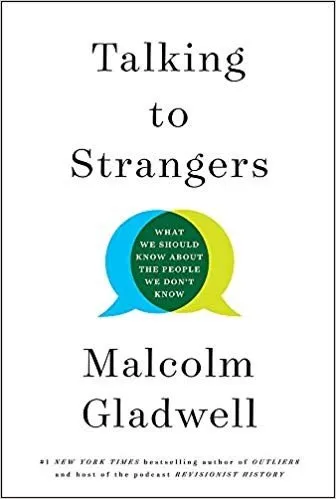
We're terrible at reading strangers, and the errors follow predictable patterns. Malcolm Gladwell's "Talking to Strangers" examines why, starting with three ideas that actually change how you conduct interviews and assess people.
 Introvert
I spent most of my life as a deep introvert, and grief pushed me deeper. What pulled me back out was a camera. Here is the story, and what it taught me.
 Critical Thinking
Writing is one of the most effective tools for personal growth, emotional intelligence, and clear thinking. Here is how putting thoughts on paper changes you.
 Book Coaching
Almost every author who starts a book stalls at chapter 3, and the reasons are predictable while the fixes are specific. Here are the four root causes, structure, voice, motivation, and expertise, and the intervention each one actually needs. Most…
 Book Reviews
A blunt, funny, fearless argument for personal accountability in a voice that refuses to coddle. I rate it a ten because it earned it with me, real impact during hard times, cutting through where gentler books failed. Not for the…
 Overcoming Writing Resistance
Writer's block is not staring at a blank page; that is just starting. The real thing is wanting to write and being unable to keep anything you produce, drafting and deleting in circles. Here is what block actually is, why…
Professional ghostwriting for executives, founders, coaches, and authors who want to get the book done right. 113+ books authored. 54+ ghostwritten for clients.
Ready to discuss your book?
BOOK YOUR PRIVATE CONSULTATIONNo pitch. No pressure.
© 2026 Richard Lowe. The Writing King. All rights reserved.