Blockchain, Real-World Assets, and the Paradigm Shift Ahead
Featuring Dr. Jeffrey E. Berger on Leaders and Their Stories with Richard Lowe
What is tokenized real estate and how does blockchain make it work?
TL;DR: What This Conversation Establishes
- Blockchain brings transparency, accountability, and security that can reduce fraud in transactions
- The real opportunity is in tokens and NFTs backed by real-world assets, not speculative digital art
- Getting educated early matters: those learning now will benefit most in the years ahead
- Decentralization moves control away from centralized authorities toward individuals
- Learning came with real losses, and Dr. Berger is candid about the mistakes along the way
What You’ll Learn
- What blockchain is and why it reduces fraud
- How smart contracts automate complex transactions
- Why real-world-asset-backed NFTs differ from speculative ones
- What decentralization means for individual control
- How to start learning about blockchain safely
Dr. Jeffrey E. Berger joins Richard Lowe (The Writing King) on Leaders and Their Stories for a grounded conversation about blockchain beyond the hype.
A former software engineer turned entrepreneur, Dr. Berger walks through what blockchain actually is, why real-world-asset-backed tokens matter, and the candid losses and lessons that shaped his approach to a coming financial paradigm shift.
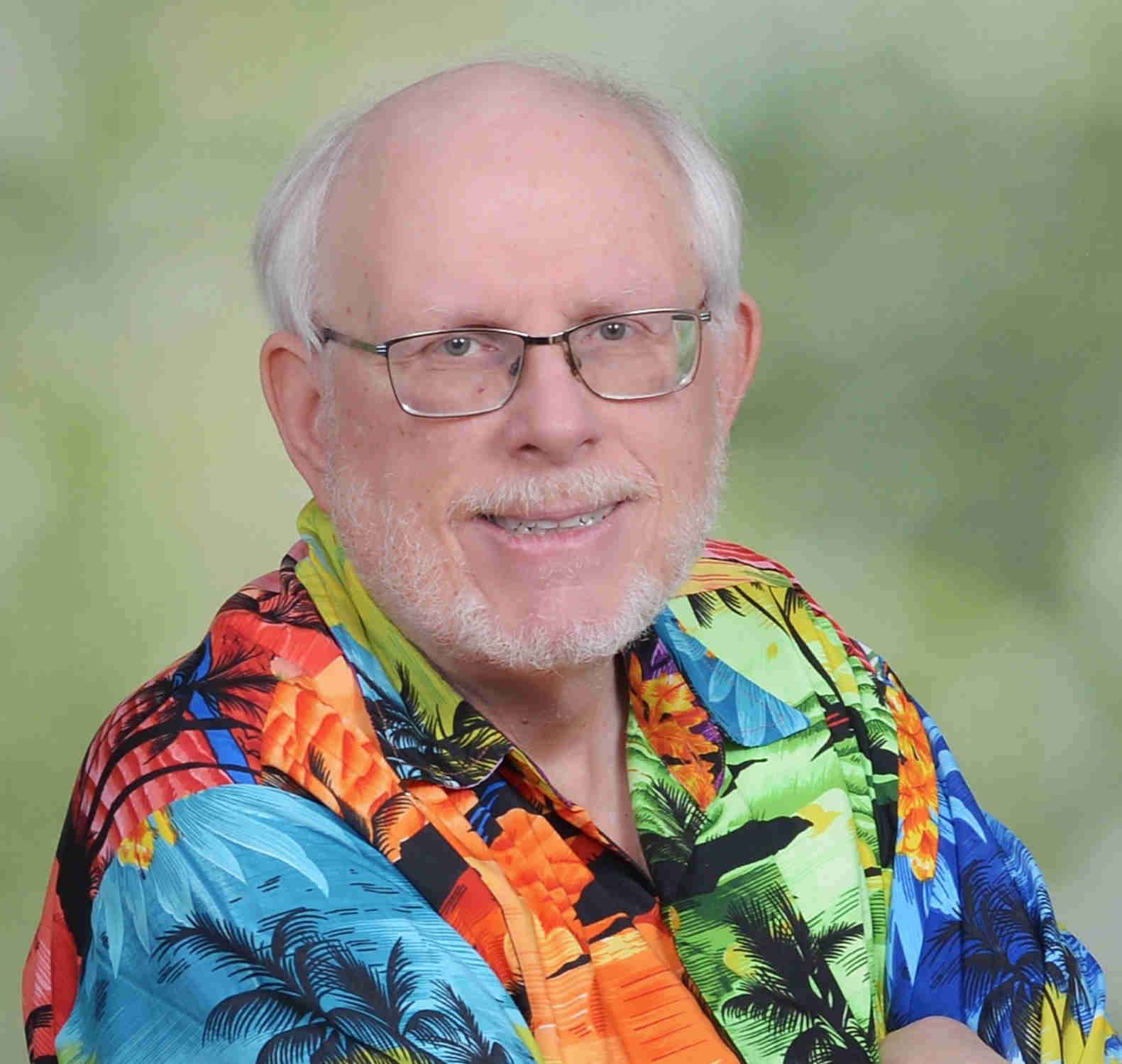
Dr. Jeffrey E. Berger is the CEO and founder of Abundance and Optimum Wellness and a former software engineer. He focuses on blockchain, tokenized real estate, and financial education, and offers a free beginner’s guide to blockchain technology.
For more conversations like this one, see the Leaders Hub. Richard has ghostwritten several books explaining complex technology for general readers.
Full transcript of the interview follows.
Richard Lowe: Hello, I’m Richard Lowe and this is the Leaders and Their Stories podcast. I’m the writing king and ghost writing guru. And I’m here with Dr. Jeffrey E. Berger, who’s going to talk about blockchain and all kinds of other fascinating things. So Jeffrey, if you could introduce yourself and then introduce the subject.
A Life of Abundance Across Every Dimension
Dr. Jeffrey E. Berger: Sure. Thanks. Thanks, Richard. So I’m Dr. Jeffrey Eberger. I’m the CEO and founder of Abundance and Optimum Wellness, where I believe we all should be living a life of abundance and optimum wellness, physically, mentally, emotionally, spiritually, and financially.
As a certified holistic coach today, I’m taking a finance first approach to achieving all encompassing personal well-being by embracing new ways to true wealth in the modern world.
I believe by exploring diverse paths opens the door to true wealth in every sense. And as a global ambassador to an innovative high tech company that’s revolutionizing the future in technologies of today, such as real estate, financial education, AI and metaverse, just to list a few, I’m deeply committed to empowering individuals and communities worldwide.
My mission. My mission really, no, that’s okay. My mission really goes beyond the business aspect of it by providing global minded entrepreneurs and individuals, especially the individuals with new ways to true wealth in the modern world so they can circumvent the system and go from financial fatigue to financial freedom.
And it’s really about creating the opportunities, providing the access and building more inclusive and supportive digital world where everyone, and I say everyone stressing that, has a chance to thrive.
How does blockchain relate to building personal wealth?
Richard: All right. So you mentioned when we talked before the show about blockchain, how does blockchain fit into all this?
The 500 Bitcoin He Turned Down in 2009
Jeffrey: So blockchain is really a new technology that’s revolutionizing the world today. It’s really, we’re in a paradigm shift in regards to technology. And when I talk with people, I talk to them about, know, I’m an ex software engineer. And when I started with computers, I had to have a floppy disk to boot up my computer.
Well, that’s, that’s obsolete. That’s archaic. That’s, you know, ancient. Today, computers are ruling the world. And with AI in the forefront, it’s really changing the paradigm on how we’re looking at the technologies of today that are being developed and changing the world in three to five to 10 years in the future and beyond.
Because those of us that are in the know today are really benefiting from the benefits of the benefits of it from really starting to learn. And I’ll give you a prime example of this. I talk with many people with regards to my own experiences. Being a software engineer in 2009, I was approached to purchase 500 Bitcoin at 0.0017 cents, which was an 85 cents investment back in 2009.
My response was, eh, sounds like a scam. Right. So in hindsight, I’ve evolved, I’ve opened up, and today I’m really embracing the technologies of today that are really changing the world. And it’s drastically changed my financial outcome today. And it’ll be, you know, absolutely improved over the next several years as the projects that I’m involved with, the projects that I’m in, introducing people to really open up their mind to thinking just a little bit different and stepping out into their comfort zone to getting educated to see if it’s a good fit for them. If it’s great, if it isn’t, okay, great too.
Dr. Berger went from dismissing Bitcoin in 2009 to working in real estate tokenization from 2022.
What is blockchain in simple terms?
Richard: Can you give a two sentence description of what blockchain is?
Jeffrey: Blockchain is a new technology where it’s allowing for more transparency for transactions on the internet and accountability and security. This is a way of moving forward to where it’ll allow individuals or companies to circumvent the aspect of fraudulent transactions.
Can blockchain and smart contracts replace banks?
Richard: So my understanding is like for financial transactions, blockchain combined with smart contracts and things like that can eliminate or reduce the need for a third party such as a bank in the middle.
Jeffrey: Absolutely. And you say eliminate or reduce. So right now it’s more on the eliminate or I’ll say reduce, reduce because eliminate.
There are still scams out there and but the technology is getting smarter to catching those scams more today than before, because my first venture in this whole paradigm shift, I lost over one hundred twenty five thousand dollars in a portfolio.
that was a scam. But again, you learn for me personally, it’s about learning the ins and outs and what to look for. And I’m connected with the, you know, industry experts, if you will, to kind of guide me along those avenues, because this is the way of the future.
It’s happening now. People kind of reject it, but it’s the future. And if you don’t embrace it now, you’re going to be left behind.
How do smart contracts work in real estate transactions?
Richard: Yeah, yeah, I was reading an example. Well, I wrote a book that had an example of blockchain and smart contracts.
I won’t use the exact example because, but let’s say you’re doing real estate, the smart contract could handle all the transaction, the complex transactions that are involved in the real estate, such as making sure the contract’s signed, making sure that that you’ve got inspectors who arriving on time and all the other things that are now handled by dozens and dozens of individual people and frequently get lost or take time.
This handles it all pretty much automatically. Once you define the contract, it becomes automatic.
Jeffrey: Right, and that’s very true. And what I love about the program that I’m in is that all of that is really left to the company and the entities that they’ve signed contracts with. My whole thing is that I’ve invested in NFTs and they do all the handling behind the scenes.
I don’t have to deal with that. It’s their responsibility. And that’s what I really, really embraced when I looked at this business model. I mean, there’s a lot of business models out there, but this is what I loved about this particular business model, that we didn’t have to deal with the headaches in regards to management and all that goes along with managing property so far than so long.
What does an NFT prove?
Richard: Yeah, much the same way API is a mask what’s on the other side. Yeah. So an NFT, my understanding of NFTs is that it’s a way to show ownership of something. It could be a physical thing. It could be a digital thing.
So you, those, these paintings that are digital that have NFTs, really what it does is says this person owns this.
And then you could use a smart contract to say who, who gets royalties and all kinds of things like that.
Jeffrey: Right. Yeah. Yeah.
Richard: So it’s actually pretty cool and it’s much deeper than what we hear on the news, which is, my God, this guy made $40 million from this piece of crap digital painting.
What are NFTs backed by real-world assets?
Jeffrey: Exactly. I think the not think, but the difference that sets us apart from other types of NFTs out there’s that there’s a lot of NFTs that are out in the crypto world that are non-tangible. You can’t touch them. This, our products and services from NFTs to tokens to coins, they’re all backed by real world assets.
And that’s becoming a really big buzzword. So each of our NFTs are backed by a certain percentage of ownership to a real estate piece of property or our tokens are backed by in a system or an ecosystem that is, you know, owned and accredited by Microsoft, Amazon Web Services, Amazon.
And we have currently over 200 schools that are enrolled in the metaverse system and a little over 500,000 that are actually participating in it with our objective and goal by 2019 is, excuse me, 2029 is to hit 8.5 million users. So these are real world assets that’s backed by cryptocurrency products and services.
which is a huge thing. And this is a paradigm shift that’s happening now before where, you know, before there was nothing tangible with regards to cryptocurrency.
Richard: And I’ve actually written books on this subject, several books, Ghost written several books on this subject. So I’m a little more knowledgeable on it than a layman. These weren’t technical books. They’re books aimed at regular people or leaders.
So they explained all of the stuff in human terms, which is important because this stuff is complex and then inside and the way it works. Like the thing I just described with real estate actually is quite complicated. And as you said, you hide
Jeffrey: All right. Yeah! Exactly.
Richard: You hide that from your end user to a certain extent, which is a good thing.
Jeffrey: Exactly, exactly. They just basically, taking a chunk of money, putting it over here, and then it grows behind the scenes. what I love about what I’m doing right now is that I’m really connected. My wealth coach is a self-made millionaire at 27 years old in the traditional real estate space.
So I’m getting really some amazing nuggets of knowledge from him. And he’s actually incorporated this real estate digital tokenization into his current business model. And he’s been with the company since its inception in 2019. And he’s built an eight figure portfolio on top of his other portfolios that he’s through traditional real estate, which is pretty amazing.
Is there real money in blockchain beyond the hype?
Richard: And interesting. there’s, there’s money here, but not in the way the newspapers portrays it. It’s not going out and grabbing something. It’s not the new glam or sexy thing. It’s actually more like real business.
Why Decentralization Matters
Jeffrey: Okay. Exactly. Right. No, that’s absolutely correct. you know, actually, when, Richard, when I was introduced to this concept in 2022, because for me personally, I lost over 900,000 in the in the the stock market because of my portfolio, because I was investing in high high tech industries. And that’s another story for another show.
But lost that kind of money between 9-11 and 2008 with a real estate crash. And then to regain that back the traditional way was pretty much impossible and being able to be open to stepping into my own comfortable zone and looking at what is happening today that’s going to change the future.
I embrace that and that’s part of you know what this whole talk is about really stepping into embracing your own comfortable zone to getting out there and learning because I believe My belief is personally is that we’ve been put in boxes to trust a system. Well, we’re living in broken and corrupt systems that are geared for the minority, those who create them and the masses below who are investing in them are losing out and going from a centralized to a decentralized system is really taking the power and the control away from the centralized authorities and bringing it over. So we. get to have that chance of having more control over our future.
Why does decentralization matter?
Richard: Right, right. That’s the whole concept behind the metaverse and blockchain and everything is to decentralize. And actually that’s the way the internet was originally designed was as decentralized because I was back there then too. And I used punch cards to load computers, not even floppy disks and paper tape.
Yeah. yeah. And machines took up the whole slides of room for something that
Jeffrey: things that I did too. So we’re going way back. Exactly. Yeah, my whole thing started at the University of Buffalo with those punch cards. Boom, boom.
Richard: I was at a college and we used a big old PDP 1145 that took up half a room and a five megabyte disk drive was the size of a washing machine, megabyte, not gigabyte, not terabyte, megabyte.
Jeffrey: wow. Yeah, I remember those days. Yeah.
His Free Beginner’s Guide
Richard: Yep, Anyway, well fascinating, you have a book you said, an e-book. Why don’t you talk about that?
Where can a beginner learn about blockchain and tokenization?
Jeffrey: Yes, I do have an ebook. It’s titled A Beginner’s Guide to Unlocking a Global Pioneering Opportunity. And this it’s a free ebook for individuals who really want to step into the space of blockchain technology. It talks about blockchain. It talks about tokenization and cryptocurrency.
So it kind of lays the foundation for individuals to start getting educated, because unfortunately, you know, We’ve been living in a world where we see in mainstream media, don’t get involved with blockchain technology, don’t get involved with Bitcoin, don’t get involved with cryptocurrency, everything’s a scam.
And unfortunately, we’ve been fed a dish of poop, if you will. And the bottom line is, that these industries are behind our back, they’re buying Bitcoin, they’re buying crypto, they’re creating their own coins. And I’m talking about JP Morgan, BlackRock, Bank of America, Wells Fargo, JP Morgan, so forth and so on.
Yeah, well, in the US government, that’s that’s very true. But I’ll say the previous and this is my experience, my personal experience really introducing this concept of digital currency and real estate tokenization. The last two years were very, very difficult because the previous administration didn’t embrace
Richard: the US government now.
Jeffrey: the world of blockchain and what it’s to offer and what it’s going to offer in the future.
This current administration embraces that because they do know that this is going to be a massive paradigm shift for those that want to participate in it, especially with the AI, the $500 billion AI Stargate merger with a chat GBT and Oracle and the Japanese company because they want to be in the forefront from an American perspective.
And one of our main projects is an AI. It’s an educational tech, AI metaverse platform that’s really introducing education on on AI metaverse is introducing a business day, which is a virtual real estate component. And then there are three other continents. We call them that are being developed over the next several years are gonna be rolling out.
And this is all backed and accredited by Microsoft, Amazon, Amazon Web Services who have invested tons of money into this technology.
Take Baby Steps and Get Educated
Richard: I I know. Well, we’re just about out of time. Is there anything you’d like to leave our listeners with?
Should beginners start learning blockchain now?
Jeffrey: The nugget that I’d love to leave your listeners is to Really be open to being receptive to learning about things that you don’t know., especially around blockchain and the technologies that are being developed today.
It can be overwhelming at times, but you take baby steps and you learn as you go because those who are getting involved and learning and getting educated now are going to be better off in three to five to 10 years because you’re going to wake up one day and all of a sudden everything is going to be digital and blockchain is the platform that’s going to be running the world as we see it in the future and what we’re doing today is going to be totally obsolete.
| Idea | What was said | Who said it |
|---|---|---|
| Blockchain | Brings transparency, accountability and security that cut fraudulent transactions | Jeffrey |
| Smart contracts | Once defined, can handle the many steps of a real estate transaction automatically | Richard |
| NFTs | A way to show ownership of a physical or digital thing | Richard |
| Asset-backed tokens | NFTs backed by a percentage of ownership in real estate property | Jeffrey |
| Decentralization | Takes power and control away from centralized authorities | Jeffrey |
| Getting started | Stay open, take baby steps and get educated now | Jeffrey |
Where to Find Dr. Berger
Richard: Yep, yep. I kind of look at it like the smartphone just 20 years ago. It was a joke and now it’s everywhere. And the same way here, jump in, I mean, obviously don’t bet the farm on it, but do what you need to do. Well, okay, how can our listeners get hold of you?
Jeffrey: Yes, exactly. Right. So it’s really easy. My name is Jeffrey E. Berger. I’m on Facebook, Instagram, I’m on YouTube, and I have a website. I’m on LinkedIn. And just look for Jeffrey E. Berger and look for the bald-headed dude. And it’s either Jeffrey.E. Berger or JeffreyE. Berger. Just look for Jeffrey E.
Berger. If you do a Google search, I’m on like the first three pages of everything that I’m involved with. And that’s the best. And the other thing I’d like to say, Richard, is that I do five webinars per month, really introducing people to this concept of the digital world and digital currency.
And it’s really getting people, getting their baby toes wet, kind of introducing them. And if they want to move on to the next step and get some more information, then I’m happy to have a Zoom call with them. And I always offer my free guide to unlocking the global pioneering opportunity, which you’re actually going to provide the link in this interview series, so people to reach out and take a look at it. It’s only 18 pages. It’s a start. And take it from there.
Richard: Sure, All right. Well, thank you for appearing. This is, you’re welcome. This has been a Leaders and Their Stories podcast. I’m Richard Lowe, the owner of The Writing King and The Ghost Writing Guru. And thank you for appearing.
Jeffrey: Thank you, Richard. Thank you, everybody. See ya.
Quotable moments
In 2009 I was offered 500 Bitcoin for about 85 cents. My response was, sounds like a scam. Hindsight is a teacher. — Dr. Jeffrey E. BergerShare on X
The difference is our NFTs and tokens are backed by real-world assets. That is the buzzword and the substance. — Dr. Jeffrey E. BergerShare on X
Those getting educated now will be better off in three to five to ten years. One day everything will be digital. — Dr. Jeffrey E. BergerShare on X
Frequently Asked Questions
Your story could be a book
Every leader I interview has a book in them. If you’ve spent a career learning what works, let’s talk about turning it into the book that outlasts the work.