TL;DR
8/10. Among the best books on plotting available, part of the Write Great Fiction series: clear, practical, and encouraging, built around the memorably usable LOCK system, Lead, Objective, Confrontation, Knockout, with full, example-rich coverage and tools for fixing broken plots. Best suited to commercial fiction, and a deserved staple for the most common craft problem there is.
Of all the things a new novelist struggles with, plot and structure may be the most common stumbling block, the question of what happens and in what order to make a reader keep turning pages. Plot & Structure by James Scott Bell, part of the well-regarded Write Great Fiction series, is among the best and most popular books on exactly that problem.
Bell, an award-winning novelist and longtime Writers Digest columnist who studied under Raymond Carver, writes with clarity, practicality, and an infectious conviction that plotting can be learned. Most plotting books bury the useful stuff under theory, and Bell gets to it fast. For a writer wrestling with structure, it’s close to a first-choice recommendation.
The book’s premise is encouraging and, in Bell’s hands, convincing: plot isn’t a mysterious gift but a craft with learnable principles, and a writer willing to study them can build a gripping story deliberately.
The LOCK system
Bell’s signature contribution is the LOCK system, a memorable structure for the essentials of a gripping plot: Lead (a strong main character), Objective (a goal they urgently pursue), Confrontation (the opposition that stands in the way), and Knockout (an ending with real power). It’s not a radically new theory, it distills sound storytelling fundamentals, but its value is exactly that distillation: a simple, memorable, applicable structure a struggling writer can hold in mind and use to diagnose what a faltering plot is missing.
The genius of LOCK is its usability, turning the abstract problem of plot into four concrete questions a writer can answer about their own story. It’s so simple it almost feels like cheating. A writer stuck in the middle of a draft can run four questions and find the hole.
Keep reading
How to plot a novel that grips from the first page: Bell’s LOCK system, in the wider craft of building a gripping plot.
Watch: 10 Essential Lessons I Learned From Plot & Structure by James Scott Bell, John Writing
Complete and practical
Beyond LOCK, the book is thorough and practical across the whole territory of plot: crafting strong beginnings, sustaining middles, and writing satisfying endings; generating original plot ideas; integrating character arc with plot; recognizing common plot patterns; and, valuably, diagnosing and fixing plots that have gone off course. Bell fills it with examples from popular novels and films, end-of-chapter exercises, checklists, and clear diagrams, making it hands-on instead of theoretical, and he addresses the difference between commercial and literary plotting.
This combination of a memorable core structure with full, example-rich, fixable-problem practicality makes it both accessible to beginners and useful to working writers.
Keep reading
Story structure: beginnings, middles, and endings that hold: Bell’s whole-arc practicality, in the craft of a well-structured story.
What are the weaknesses of Plot & Structure?
The caveats are minor and mostly inherent to its approach. The LOCK system and the emphasis on clear three-act structure suit commercial, plot-forward fiction better than experimental or heavily literary work, where a writer may find the structure reductive, though Bell is aware of this and addresses it. Like any system, it can be applied too mechanically, treating the model as a formula instead of a tool, which a thoughtful writer must guard against.
And it’s focused on plot and structure, so it’s one essential piece of a craft education instead of a complete one. These are small marks against an excellent, well-targeted book.
Is Plot & Structure worth reading?
It’s among the best books on plot and structure available, and a deserved staple, clear, practical, encouraging, and built around the memorably usable LOCK structure, with full, example-rich coverage that serves beginners and working writers alike. For a writer struggling with what happens and in what order, it’s close to a first recommendation. It loses only a little for a commercial-structure orientation that suits plot-forward fiction better than experimental work and for the usual risk of any system applied too rigidly.
It’s among the strongest entries in an already strong series, and on the most common craft problem there is, I can’t think of a clearer teacher than Bell is here.
Explore the hub
The Writing Hub: plot, structure, and the rest of the craft, gathered in one place.
Frequently Asked Questions
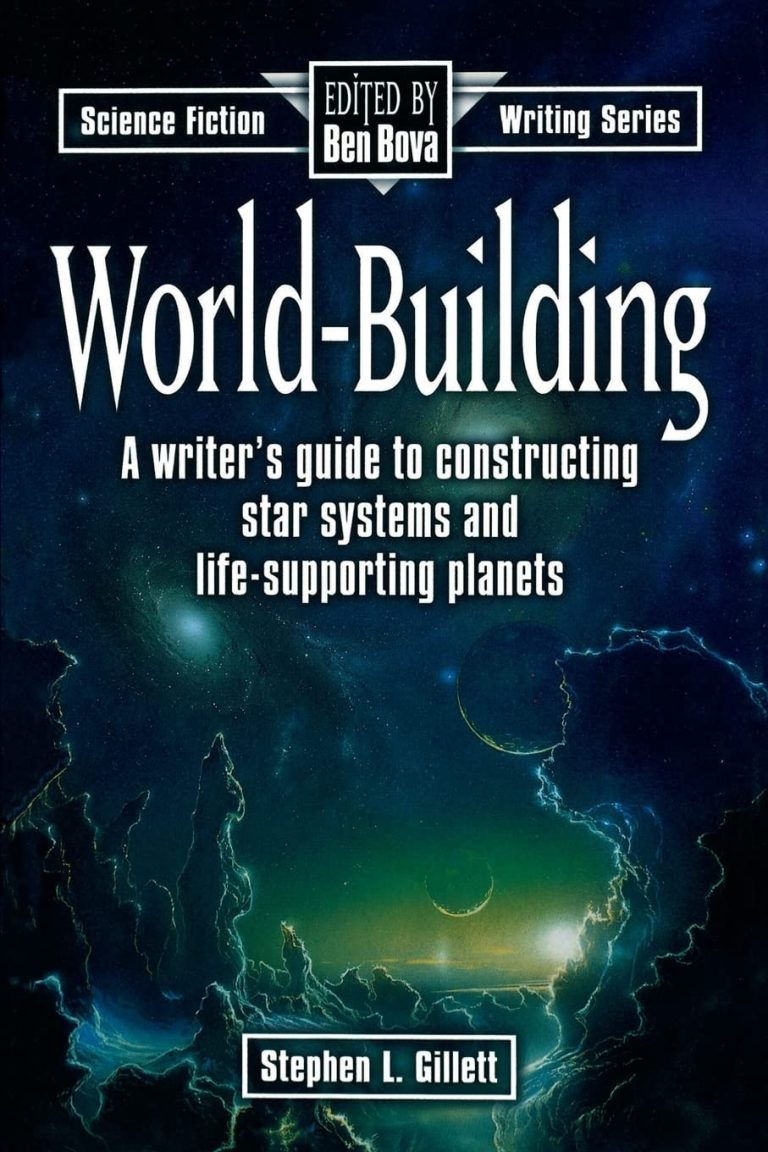
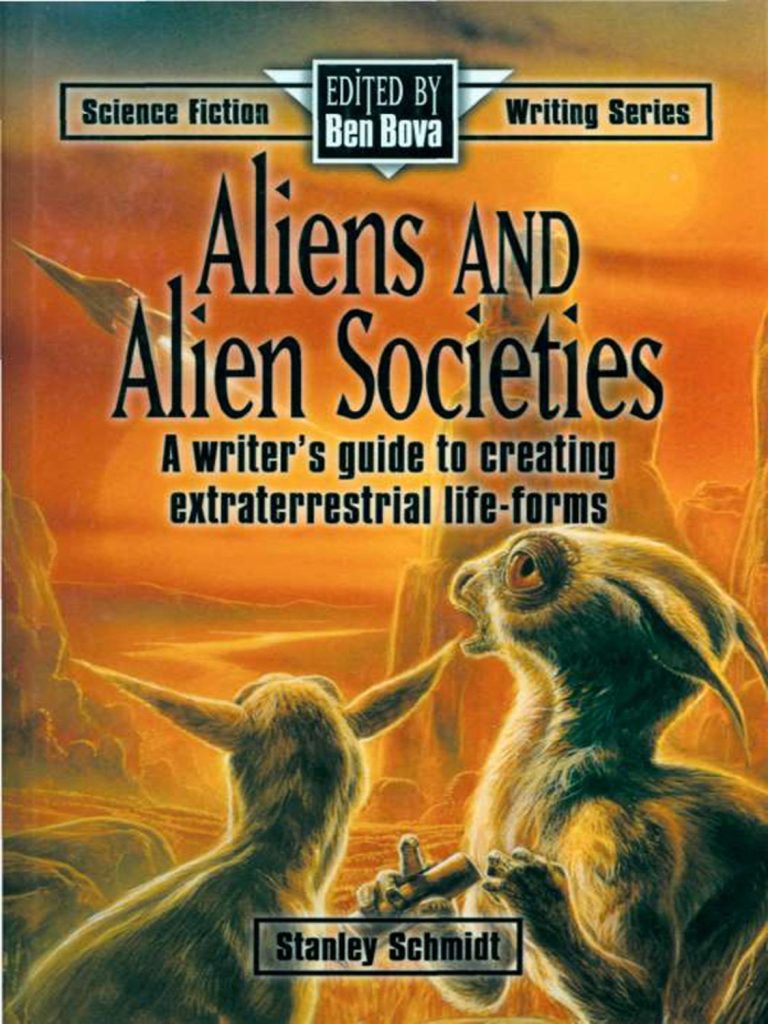
Other Books in the Write Great Fiction Series
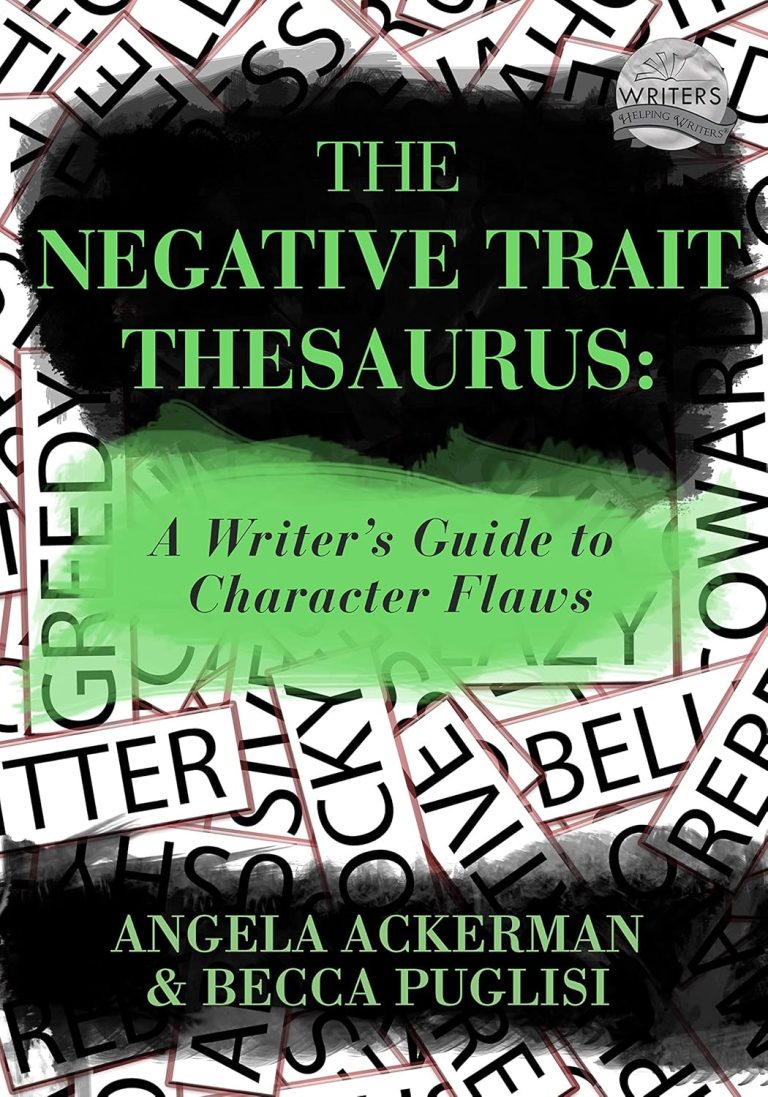
Other Books From – Being an Author


About the author