Latest
Anthropic Bans Cruelty Toward Claude: What It Means for WritersWork-for-Hire Contracts: What the Asimov’s Cover Fight Teaches FreelancersGenre Fiction vs Literary Fiction: Don’t Confuse Taste With SkillFlorida Hurricane Prep Rituals: The Grocery Run, the Water Pallet and the Generator in the BoxThe Most Insulting Line of Dialogue Ever Written for the ScreenLoki Through the Ages: From Norse Myth to Marvel, The Mask and Dogma“You Are Utterly Disgusting”: A Book Festival, an AI Cover Ban and a Pile-OnWho Rewrote the Sligachan Legend: AI or the Tour Buses?Why I Don’t Like Reedsy for Ghostwriting: The NDA ProblemLayers: How I Ride Out Florida Power Outages in My ApartmentThe Enshittification of AmazonPublishers Cancel Books Over AI While Using It in SecretI Was Getting 100 Spam Emails a Day. $4.50 a Month Fixed It.World Mental Health Day: Nothing Was Wrong With MeKessler Syndrome: How Space Debris Could Close Earth’s OrbitAmazon Is Blocking Real Readers From Book ReviewsShould a Novella Get a Paperback, or Go Ebook Only?BookFunnel Download Problems: Fixes, Scams and AlternativesSir Sean Connery: A TributeHow to Find Plot Holes in Your Novel (Most Are Character Holes)Reshoring: The Factory Is the Easy PartMost of the Books I Was Forced to Read in High School Were CrapPlot Armor: Signs Your Hero Is Too Safe, and How to Fix ItShould You Sell Lifetime Rights to Your Self-Published Book for a Modest Advance?Shame Doesn’t Stop Artists From Using AI. It Stops Them From Telling You.AI Labels on TikTok and Meta Are Flagging Human WorkAuthor Richard Lowe Completes Peacekeeper, a Four-Book Science Fiction Series He Started at Age 14Sir Sam Neill: A TributeFan Art Copied by AI: Glass Houses, Copyright and the Pile-OnReal Names in a Book: Who Gets Sued, the Author, the Publisher or the Ghostwriter?When Characters Take Over the Plot, Let ThemDoes Human Writing Have a Soul?“You’re Not a Real Author”: The Pile-On Over AI-Assisted BooksDoes AI Have a Soul? Wrong QuestionHumor in Book Marketing: Getting Attention Without BeggingHow Long Should a Chapter Be? Manuscript Habits That Save You LaterThe Business Novel and the Companion Workbook: Two Formats Business Authors OverlookThe Back of the Book: Index, About the Author, Acknowledgments and Back Cover CopyI Build My Own Software Tools With Claude, and Some of Them Bit MeWhat Years of Buying From IT Vendors Taught MeI Write Books for a Living. I Barely Read Them Anymore.Three Management Habits That Waste Good PeopleThe Coach and the Webinar That Sold Me NothingThe Work I’d Cringe At Now, and Why I’m Glad I DoWho Is Your Book For? Build a Reader Avatar Before Chapter OnePreface, Prologue, Foreword or Introduction: What Goes WhereWhy I Won’t Build a Ghostwriting Business That ScalesHow I Hire a Virtual Assistant: Do It, Script It, Hand It OffThe Mail Carrier Who Thought Flipping Houses Was EasyWhat Wedding Photography Taught Me About Pricing Creative Work

Tag: Consciousness

Consciousness is the hard problem philosophy keeps and science borrows. These articles cover consciousness as a writing subject: minds on the page, AI’s pretensions to one, and the questions that keep the topic permanently interesting.

A child's birthmark or scar, photographed close-up to show its specific location and appearance on the skin. TITLEBook Reviews

Reincarnation and Biology

Stevenson's most rigorous work documents 225 cases where children's birthmarks matched wounds on the dead people whose lives they described. Forty-nine of those cases had medical records to verify the correlation, which makes them harder to dismiss than memory alone.

READ MORE »

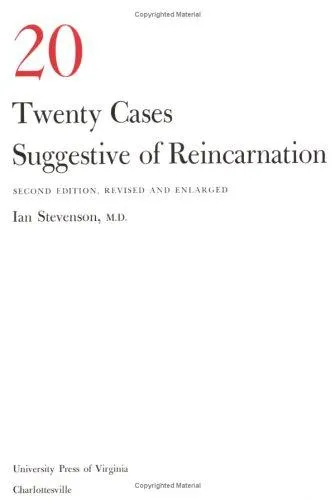
A worn copy of Ian Stevenson's 1966 book on a neutral background, spine and cover visible.Book Reviews

Twenty Cases Suggestive of Reincarnation

Ian Stevenson was a psychiatry department chair at the University of Virginia who spent forty years collecting cases of children who described lives that were not theirs. This book, published in 1966, is where it started: twenty carefully documented case…

READ MORE »