Latest
Post an AI Image and Unfriend MeShe Asked How to Publish Her Bedtime Story. They Called Her a Thief.The AI Hype Cycle: Why the Crash Is Coming, and Who’s Causing ItSix Claude Prompts That Get You Unstuck, and Why the Order MattersDogpiled Over AI Art at the Renaissance FaireClaude Opus 5.5: What the New Release Means for WritersTrump’s AI Force Is a Fire Department With No Fire CodeWhat It Costs to Fix an AI-Written ManuscriptWhen Your Memoir Should Be a NovelThe Hugging Face AI Agent Attack: An Operations ReadingWhen Your Own Memoir Sounds Like BraggingWhat Belongs on a Copyright PageWhat an AI Detector Score on Your Manuscript Is WorthThe Clients Who Pay and VanishThe Quotation Marks That Get Authors SuedThe Work You Would Never Have StartedMonthly or Milestone: How Ghostwriting Gets BilledWhen a Client Thinks the Ghostwriter Used AIThe One-Hour Call Before I Quote Your BookBehind the Book: The Mysterious Island, Neb’s SideHow to Organize Decades of Memories Into a MemoirWhy Rotten Tomatoes Sucks: The Score Does Not Mean What You ThinkWhy Amazon KDP Sucks: They Terminated My Account OvernightIngramSpark: How I Publish Now and WhyWhy Fiverr Sucks for Ghostwriting: The Buyer’s SideWhy eBay Sucks Now: A Seller’s Numbers and a Buyer’s WarningThe Ghost Story TraditionThe Gothic TraditionThe Christmas Ghost Story TraditionBooks to Give a WriterResurrection as a Narrative StructureThe Beach Read ArgumentWhy It’s a Wonderful Life Failed on ReleaseWhat to Read in SpringWhat to Read in SummerWhat to Read in OctoberHow Warner Bros. Dismantled a $17 Billion Cartoon EmpireThe Imaginary Scarcity TrapThe Graph That Goes Vertical Is Usually Somebody Else’sSubstack Is Not Collapsing. The Promise Was.The Disasters That Happen to Ordinary PeopleToba: The Winter That Almost Ended UsJay Stifflemire: Nothing Ever Gets Written DownGeorgie-Ann Getton: I Forgot I Had Free WillAI Detection Cannot Be Evidence, and Publishing Is Using It That WayAI Consciousness Left Philosophy and Entered the LaboratoryThe Office Block Where the Bedrooms AreBlack Tuesday: The Web Ring War Nobody Outside It NoticedThe Web Got Fenced: What AI Search Costs Small SitesWhat the AI Visibility Industry Sells, and What the Evidence Says

Frank Herbert

Frank Herbert

Frank Herbert

Franklin Patrick Herbert Jr. (1920-1986) was an American science-fiction author best known for Dune and its sequels, one of the towering achievements of the genre. Born in Tacoma, Washington, he worked for years as a newspaper journalist, photographer, book reviewer, and ecological consultant before his fiction brought him fame.

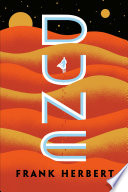
His research into the shifting sand dunes of the Oregon coast, originally intended for a magazine article, grew over six years into Dune, published in 1965. The novel built an extraordinarily detailed world, the desert planet Arrakis, with its own ecology, religion, politics, and economy centered on the precious substance known as spice.

Dune won the inaugural Nebula Award and shared the Hugo Award, and it became the best-selling science-fiction novel of all time. Its themes of ecology, power, religion, and human potential gave it a depth unusual in the genre and earned it a devoted readership across generations.

Herbert continued the story across five sequels, including Dune Messiah, Children of Dune, and God Emperor of Dune, exploring the long consequences of the messianic hero he had created and warning against the dangers of charismatic leadership.

The Dune saga has been adapted many times, including David Lynch's 1984 film, a pair of television miniseries, and the acclaimed films directed by Denis Villeneuve. Its influence on science fiction, fantasy, and popular culture has been immense and enduring.