
Fluff Words: Cut Them From Your Prose, Keep Them in Your Dialogue
Fluff words make a sentence longer without making it say more. Cut them from narration and business writing, and keep the ones that make dialogue sound like real people talking.
The craft decisions that change the work rather than decorate it. When to break a rule, why resolutions collapse in February, what editing is really for, and what a long writing life looks like from inside it.
 Dialogue
Fluff words make a sentence longer without making it say more. Cut them from narration and business writing, and keep the ones that make dialogue sound like real people talking.
 Memoir
 drafts are full of verdicts the writer hands down on himself, and readers trust a self-condemning line no more than a self-flattering one. How to replace each verdict with the scene behind it, using a copied ecology report from…
 Memoir
A memoir can cite research without reading like a journal article. Here's how I handle sources in memoirs and ghostwritten books: endnotes in Chicago style, footnotes for asides, citations collected as I go, and my rule on quoting.
 Crime Fiction
Elmore Leonard wrote westerns before his ad agency shift, got turned down eighty-four times on his first crime novel, and then spent forty years proving dialogue could carry a book. His ten rules all do one job: keep the author…
 Communication
International Literacy Day falls on September 8 and has been observed since 1967. UNESCO counts 739 million youth and adults without basic literacy, and the share of American adults at the lowest reading level rose from 19 to 28 percent…
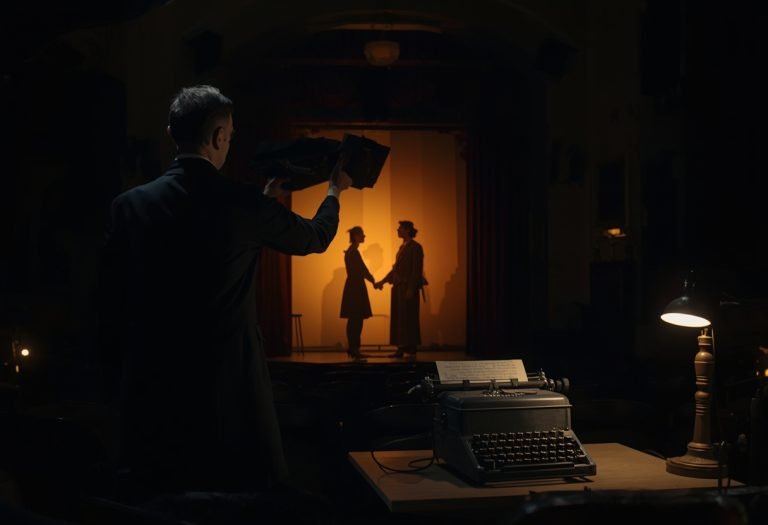 Dialogue
Elmore Leonard's 10 rules of writing all keep the writer out of sight so the reader stays in the story. I follow most of them and break a few on purpose, from short teaser prologues to long descriptions of places…
 Fiction Writing
A good prologue works like a TV cold open: a short scene that hands the reader a question and walks away. A bad one is a history lecture before the story starts. Here's how to tell them apart, with examples…
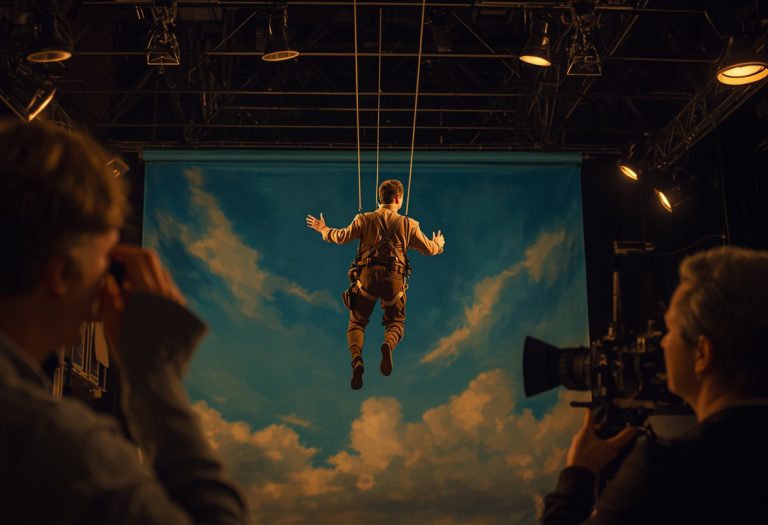 Character Development
Plot armor is the invisible rig that keeps a protagonist alive, lucky and competent because the story needs them. Here are the four kinds readers spot, from wounds that don't count to choices that never cost anything, and how to…
 Nonfiction
A chapter is as long as one complete thought, and a thousand words is plenty when the thought is finished. Keep with next and real heading styles stop a manuscript from fighting you through every revision.
 AI Writing
Everything after the last chapter serves a reader who already bought your book, and the back cover sells it to one who hasn't. I cover indexes, author bios, acknowledgments and back cover copy, and what I recommend for each one.
 Book Marketing
A preface tells readers why you wrote the book, and most of them skip it. The introduction is the two to four page sales tool that decides whether they buy. This piece covers what each opening page is for, where…
 Dialogue
Readers skim right past dialogue tags, so use the plain ones and don't bury anything important in them. My simple rules for said, tag variety, adverbs and action beats.
Professional ghostwriting for executives, founders, coaches, and authors who want to get the book done right. 113+ books authored. 54+ ghostwritten for clients.
Ready to discuss your book?
BOOK YOUR PRIVATE CONSULTATIONNo pitch. No pressure.
© 2026 Richard Lowe. The Writing King. All rights reserved.