TL;DR
6/10. A short booklet, companion to a guide on men, aimed at male writers creating believable female characters past stereotype. It targets one of fiction’s most criticized failures with sound, specific guidance toward women who are people first, held to the middle by brevity and overselling. A pointed minor guide on a problem worth solving.
How to Write Realistic Women by Jackson Dean Chase is the companion volume to the guide on writing men, aimed especially at male writers who want to create believable, fully human female characters instead of the thin, decorative, or stereotyped women that fill too much fiction. Of the paired set, this is the one tackling the more notorious problem. The badly written woman is one of fiction’s most criticized failures. That makes its focus worthwhile despite the booklet’s modest length.
The problem it addresses is real, well documented, and long overdue for a fix. Fiction is littered with female characters who exist only to support, reward, or motivate men, and a guide that helps writers do better is solving an actual, recognized failure. It’s a pity the booklet is too thin to do the job properly.
Tackling a notorious problem
The value is a direct focus on the failures of female characterization and how to avoid them. Women written as prizes or props instead of people, defined only by their relationships to men, lacking their own goals, flaws, and interior lives. For a male writer aware that this is a common and criticized weakness and wanting to improve, the targeted guidance toward giving female characters real agency, motivation, and specificity is more immediately useful than general character advice.
Naming the particular traps, and the now-familiar tests and critiques of how women are written, gives a writer concrete things to watch for in their own work.
Keep reading
Writing the opposite sex without falling into stereotype: the cross-gender challenge this booklet targets, with women as the harder, more-scrutinized case.
Toward women as people
The core lesson is exactly right. A female character should be a person first, with the same depth, contradiction, and independent purpose a writer gives a man. It’s the corrective fiction most needs. A well-written woman is a fully realized character and needs no special tricks. The idea that women are a separate writing problem with separate rules is dumb, and the booklet’s push away from it is its soundest instinct.
To the extent it helps a writer see female characters as individuals instead of as a type to be handled, it does what matters.
Keep reading
Why your characters feel flat: psychology-first character development: the person-first principle that builds a believable woman, or anyone.
Can a short writing guide fully teach how to write realistic women?
The series constraints apply. At its short length it can identify the problem and point toward solutions but can’t explore female experience or psychology with real depth, and a writer serious about the subject should read widely beyond it, especially work by women. The marketing oversells a book this short. That’s a poor look, and so are the recurring authorship-attribution quirks.
And, as with its companion, there’s a risk that a how-to-write-women guide installs its own generalizations; the safest use treats it as a prompt to question assumptions and to seek out real, varied women’s voices instead of as a rulebook. It opens the conversation instead of settling it.
Is How to Write Realistic Women worth reading?
It’s a modest but worthwhile booklet that deserves a slightly higher place than its siblings because it targets one of fiction’s most notorious and most criticized failures, the badly written woman, with sound, specific, well-aimed guidance toward female characters who are people first. It’s held to the middle by its brevity, its overselling, and the inherent limits of any short guide to writing a whole sex.
For a writer, especially a male writer, who knows this is a weakness and wants a focused nudge toward doing better, it’s a useful starting point, best paired with wide reading of women’s own writing. It’s too short and too oversold to score higher. Still, any male writer whose women read like furniture should start here.
Explore the hub
The Psychology of Writing Hub: character psychology, gender, and the mental side of craft, gathered in one place.
Frequently Asked Questions
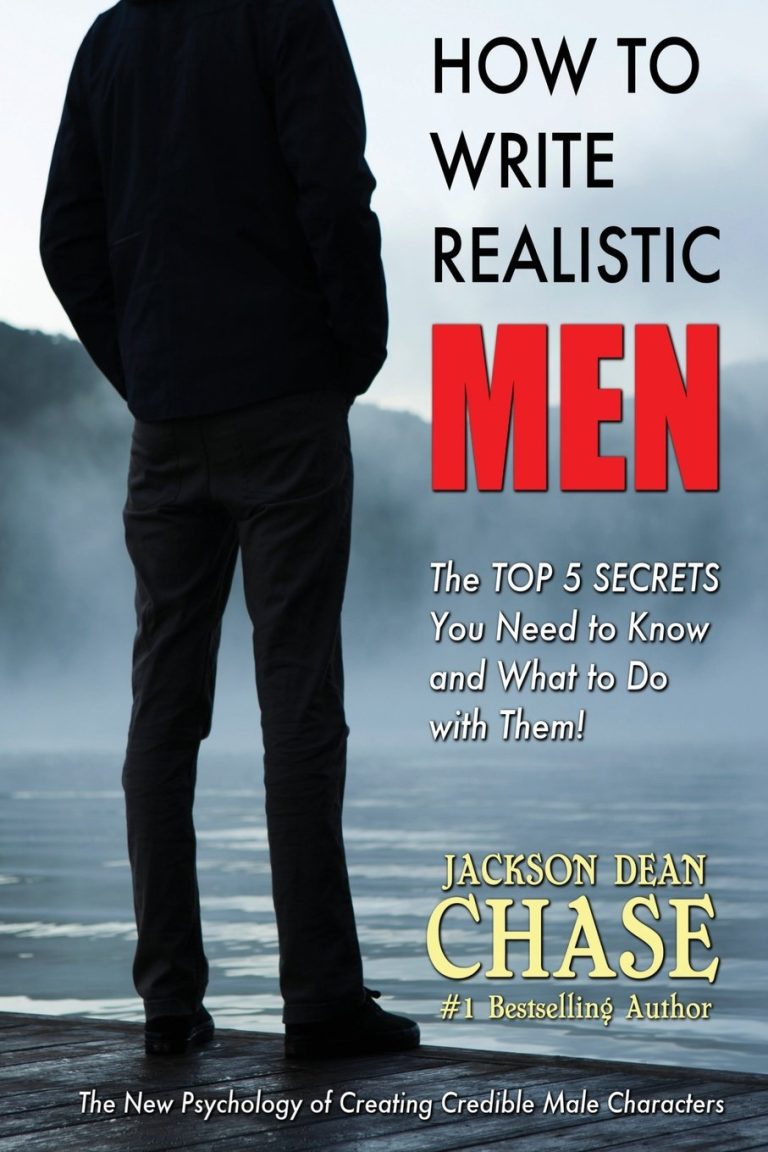
Other Books in the How to Write Realistic Fiction Series
Other Books From – Being an Author





About the author