TL;DR
5/10. A short booklet on creating believable male characters past stereotype, companion to a volume on women. Its specific, underserved focus gives it more purpose than a general character primer, though brevity, an overselling voice, and the inherent risk of generalizing about a whole sex keep it a useful nudge toward individuality instead of an authority.
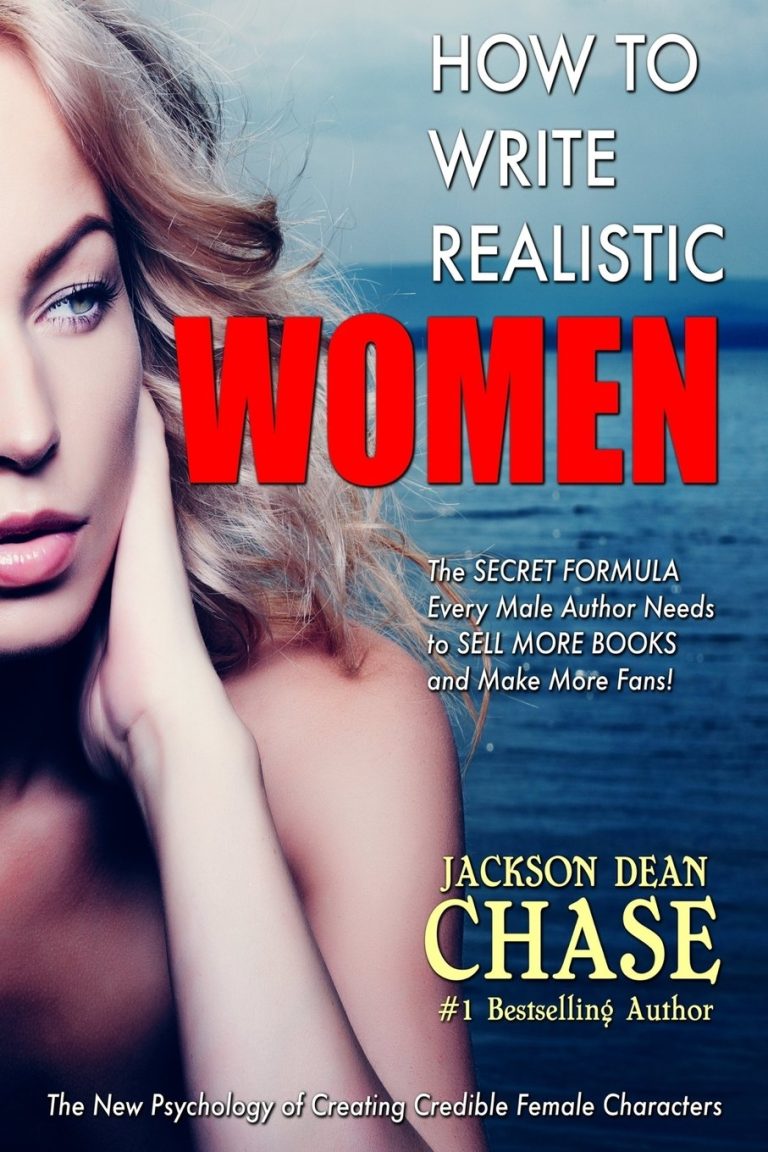
How to Write Realistic Men by Jackson Dean Chase is one half of a paired set, the companion to a volume on writing women. It tackles a useful and underserved question. How do writers of either sex create convincing male characters who avoid both flat stereotype and wish-fulfillment fantasy? As a short booklet in the same series as the author’s other quick guides, it’s modest in scope, but its specific focus on gendered characterization gives it a sharper, more distinctive angle than the general-character primer.
The challenge is real. Writers often render the opposite sex badly. They render their own sex lazily through stereotype. A guide targeting the specific problem of writing believable men has a clearer reason to exist than yet another general character book.
The useful specific focus
The value is addressing male characterization directly. The range of male personalities past the clichéd tough guy or hapless fool, the inner lives men have, and the ways writers flatten male characters into types. For a writer, especially one writing male characters from outside that experience, who wants to move past stereotype toward men who feel like specific individuals, the targeted focus is more immediately useful than general character advice, because it names the particular traps of this particular task.
The companion structure with the women’s volume also signals an even-handed approach: both sexes can write both, and both need to work at it.
Keep reading
Writing the opposite sex without falling into stereotype: the cross-gender characterization challenge this booklet targets, treated in depth.
Avoiding the stereotype trap
The booklet’s better instinct is steering writers away from the lazy defaults, the emotionally inarticulate brute, the comic-relief buffoon, the invulnerable hero, toward male characters with real interiority, contradiction, and specificity. This is the right target: stereotyped men are as damaging to fiction as stereotyped women, and they’re less examined because they’re so culturally normalized. To the extent the book pushes a writer to question their assumptions about what men are like and to build individuals instead, it does worthwhile work, even within its brief compass.
Keep reading
Avoiding stereotypes: building individuals, not types: the move from type to individual, the heart of believable gendered characters.
What are the limitations of Jackson Dean Chase’s guide to writing male characters?
The same constraints as its siblings apply. It’s short, so it can raise the issues and offer starting guidance but not treat male psychology with real depth, and a writer wanting a thorough exploration will need more. The marketing-style presentation oversells, and the series’ authorship-attribution quirks apply here too.
There’s also an inherent risk in any guide to writing a whole sex: it can slide toward its own generalizations about what men are like, the very thing it should help a writer avoid, so it must be used as a prompt to think instead of a set of rules about half of humanity. Used carelessly, a how-to-write-men guide can install new stereotypes in place of old ones.
Is How to Write Realistic Men worth reading?
It’s a modest but usefully focused booklet, better than the general-character primer in the same series because its subject, writing believable men past stereotype, gives it a real and underserved purpose. It deserves a slightly-better-than-baseline place, held to the middle by its brevity, its overselling presentation, and the inherent risk of generalizing about an entire sex. For a writer struggling with male characters who wants a quick prompt toward individuality over type, it’s value as a starting point; for depth, it must be supplemented.
A focused minor guide, useful as a nudge instead of an authority.
Explore the hub
The Psychology of Writing Hub: character psychology, gender, and the mental side of craft, gathered in one place.
Frequently Asked Questions
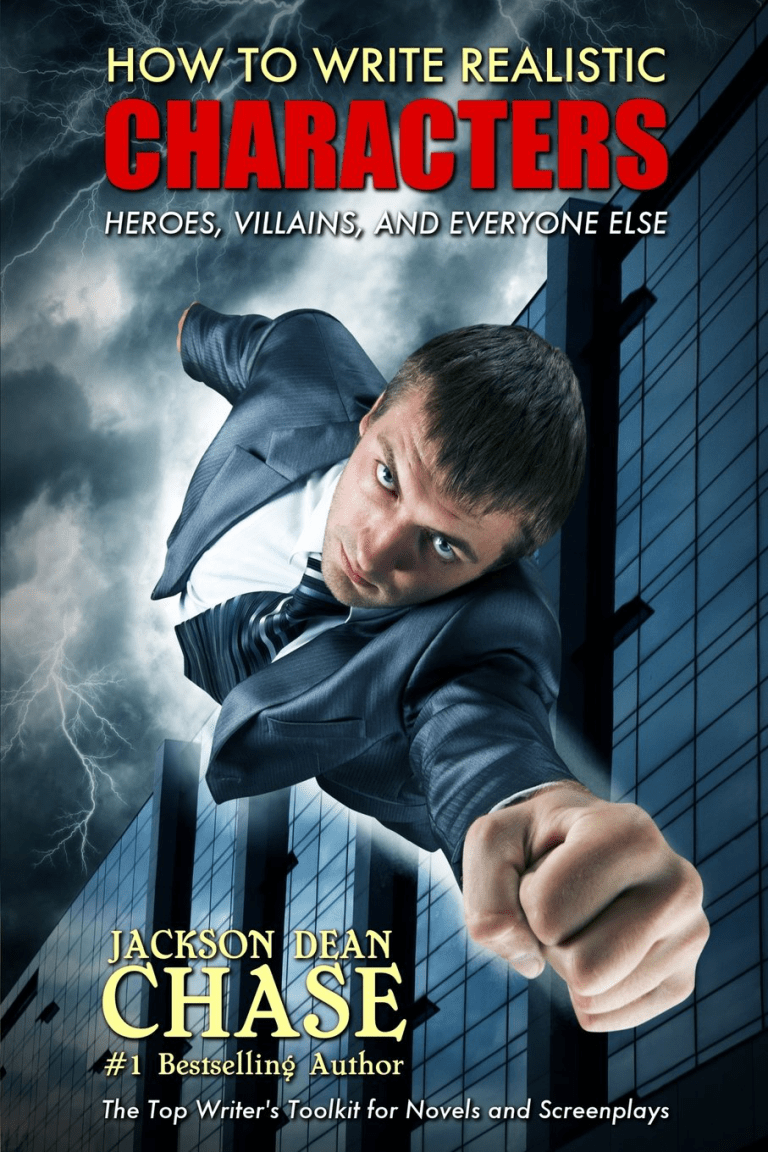
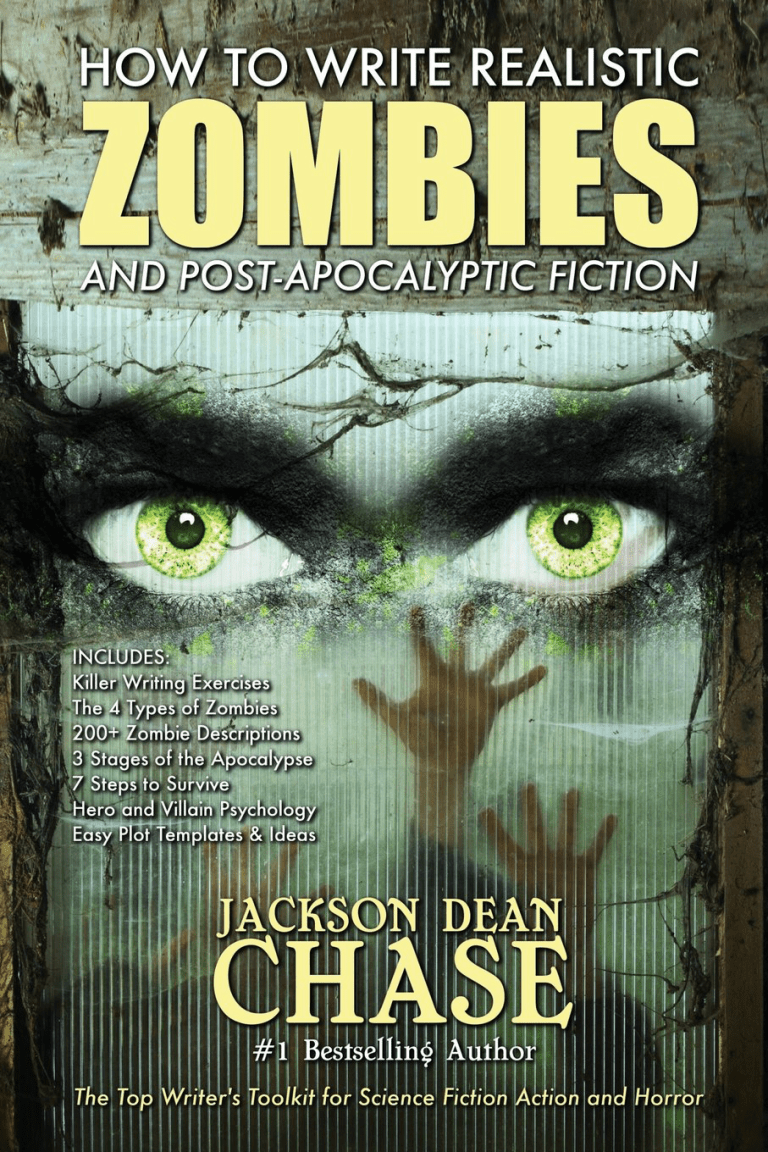
Other Books in the How to Write Realistic Fiction Series
Other Books From – Being an Author




About the author