TL;DR
6/10. An idea-packed, archetype-driven character toolkit (a combined edition of three earlier books). The taxonomy of character roles is a useful prompt for building a fuller cast, but the gimmicky gendered structures, broad-not-deep treatment, and stitched-together structure keep it a competent minor reference that falls short of the masterclass the subtitle promises.
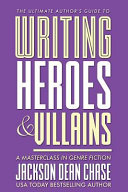
Writing Heroes and Villains by Jackson Dean Chase is a self-published character-craft guide that promises a masterclass and delivers something more modest but still useful: an idea-packed, archetype-driven toolkit for building a cast across genres. It’s the kind of breezy, practical, list-heavy book that the self-publishing era produces in quantity, and like most of them it’s real value mixed with real limitations.
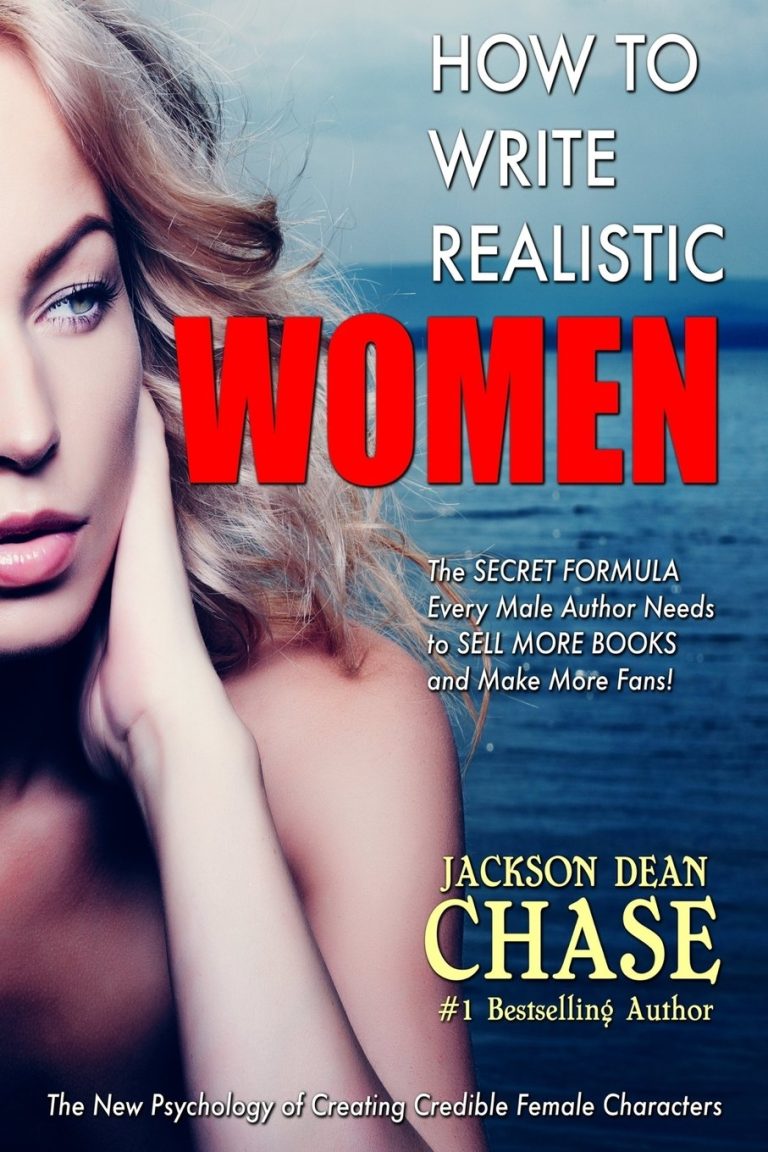
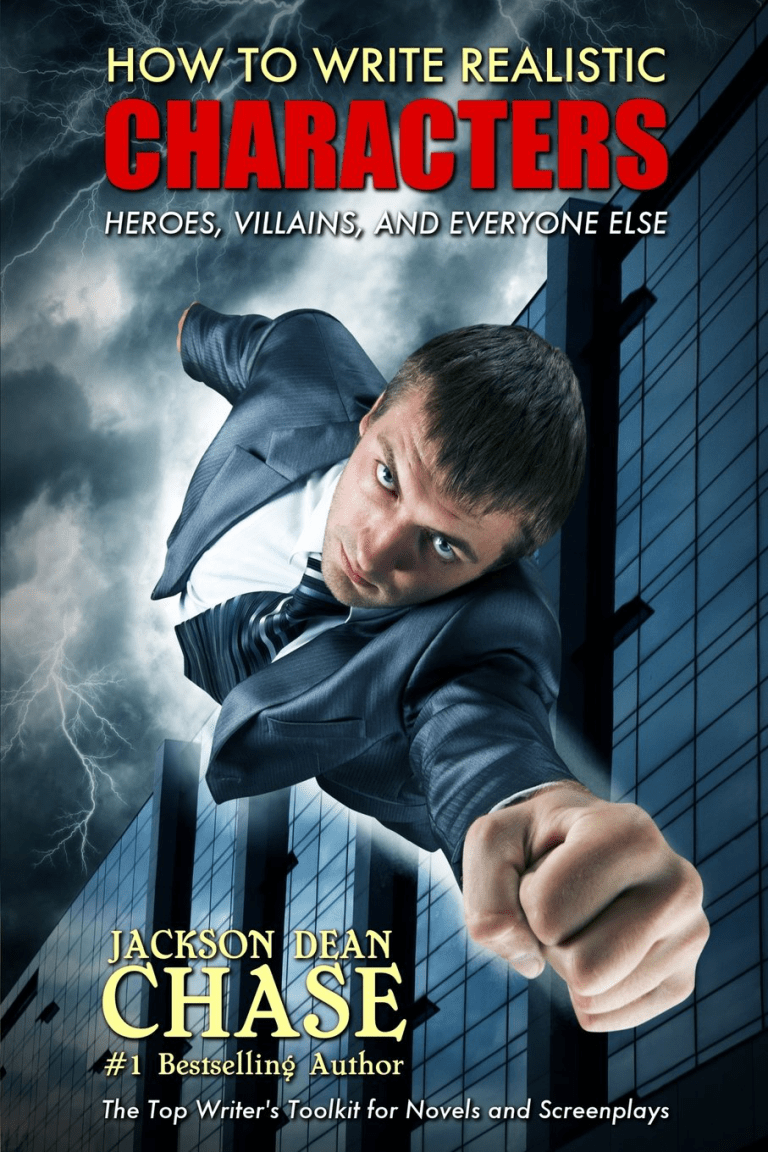
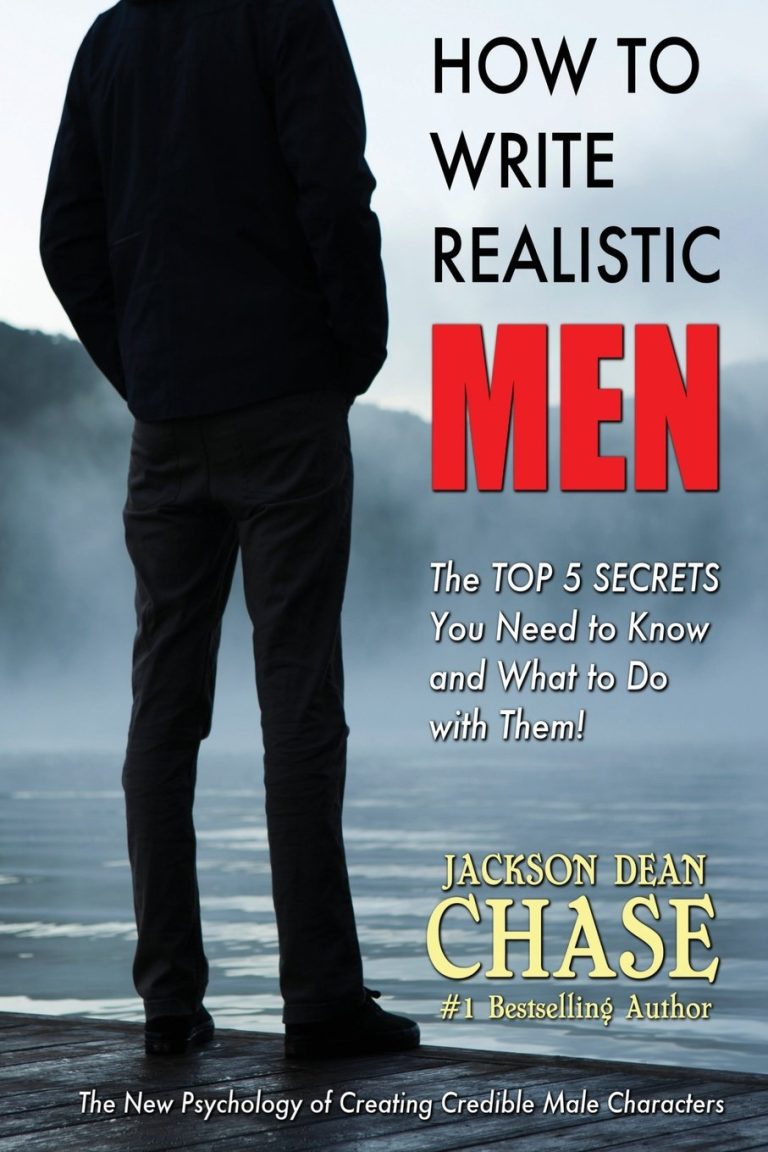
One thing to know up front: this book is a combined and revised edition of three of Chase’s earlier titles, on realistic characters, realistic men, and realistic women, packaged together. That origin shows in its structure. That can feel like three stitched-together books instead of one designed whole.
The archetype toolkit
The book’s spine is a taxonomy of character types. Chase breaks down hero archetypes and subtypes. Then he works through the darker roles. Anti-heroes, villains, tempters, false mentors, traitors. He includes guidance on when to redeem a character and when to kill them. He distinguishes love interests from what he calls stakes characters, the people whose endangerment raises the cost for the hero. He also covers how to build a balanced supporting cast, so even minor characters pull their weight.
For a writer who tends to populate a story with a strong lead and a vague crowd, this menu of roles is a useful prompt to give every character a function.
Keep reading
A guide to character development: 8 steps to success: Chase’s archetype toolkit in a fuller character-building context.
The redeem-or-kill question
One useful thread runs through the darker half of the taxonomy: Chase’s attention to the decision of whether to redeem a villain or kill them, and when each choice serves the story. This is a real craft question that beginning writers rarely think through. A villain redeemed too easily cheapens the harm they did; a villain killed without reckoning wastes the moral weight they carried; a tempter or a false mentor who simply vanishes leaves the reader unsatisfied.
Chase is helpful in pushing a writer to treat the fate of every antagonist as a deliberate choice with consequences for the story’s meaning, instead of a default. It’s the kind of practical prompt that justifies the book even when the surrounding material is thin, and it pairs naturally with the supporting-cast material, since a well-designed antagonist team gives a writer more options for which member to redeem and which to lose.
Keep reading
Building character arcs that hold a novel together: the redemption-or-fall arc Chase raises, developed into a full character trajectory.
The gendered frameworks, for better and worse
The book’s most distinctive and most divisive material is its approach to writing male and female characters.
Chase lays out a supposed secret One Rule that binds male characters and a complex Shame Web of unspoken rules that he says define female ones, along with advice on writing convincing male bonding and avoiding cliché. There’s real insight buried here about gendered social pressures and how they shape behavior. That can help a writer render a character of a different gender more convincingly.
But the framing is gimmicky, the single-rule and named-web packaging oversells what are really useful generalizations, and any sweeping system for writing an entire gender risks the stereotyping it claims to cure. Take the observations, leave the universalizing.
Keep reading
Why your characters feel flat: psychology-first character development: the psychology-first alternative to one-size-fits-all gender rules.
What are the limits of Writing Heroes and Villains?
The real caveats are those of the genre it belongs to.
It’s breezy and idea-packed. That means broad instead of deep; you get many quick concepts and few worked, sustained examples. The stitched-together origin makes it feel less coherent than a purpose-built book. And the bestseller-confident, fun-easy-advice tone, common to this corner of self-published craft writing, can substitute energy for rigor. It’s a source of prompts and a checklist of roles more than a deep education in character.
Is Writing Heroes and Villains worth reading?
It’s a useful, idea-rich toolkit for a developing writer who wants a menu of character roles and some prompts for building a fuller cast, and the archetype taxonomy in particular is worth having.
But the gimmicky gendered structures, the broad-not-deep treatment, and the stitched-together structure keep it firmly in the competent-but-minor category. A handy quick reference for character roles, not a masterclass despite the subtitle, and best taken as one prompt source among several. Shelf-worthy, modestly.
Explore the hub
The Writing Hub: character, archetype, and the rest of the craft, gathered in one place.
Frequently Asked Questions
Other Books From – Being an Author




About the author